Best Biothane Long Lines and Harnesses for Recall Training
Discover the best biothane long lines and back-clip harnesses for safe off-leash recall training. Compare top brands, lengths, and actionable steps.
Mastering Off-Leash Recall: The Ultimate Buyer's Guide to Long Lines and Harnesses
Teaching a reliable recall is arguably the most critical safety skill your dog will ever learn. However, transitioning from a standard six-foot leash to true off-leash freedom is a massive leap that often results in broken trust, chased squirrels, and ignored commands. The bridge between on-leash obedience and off-leash reliability is the long line. When paired with the correct harness, a long line allows your dog to explore and make choices while giving you the ultimate safety net. In this comprehensive buyer's guide, we review the best biothane long lines and back-clip harnesses on the market, providing you with exact measurements, costs, and an actionable training plan to achieve a bulletproof recall.
Why Traditional Leashes Fail in Recall Training
Standard leashes create constant tension and restrict a dog's natural movement. Dogs quickly learn the exact radius of a six-foot leash, meaning they are never truly practicing the decision-making required for off-leash environments. According to the RSPCA's official guide on teaching recall, dogs must be allowed to move away from their handlers and practice choosing to return, rather than simply being prevented from leaving. A long line simulates an off-leash environment. It allows your dog to sniff, explore, and hit the end of the line, teaching them that the boundaries of their freedom are tied to their responsiveness to your cues, not just the physical restriction of a short lead.
The Biothane Advantage: Material Comparison
When shopping for a long line, you will primarily encounter three materials: nylon, leather, and Biothane. Nylon is affordable but absorbs water, mud, and odors, and it can cause severe rope burn if your dog bolts. Leather is traditional but requires heavy maintenance, becomes slippery when wet, and is prohibitively expensive in 15-meter lengths. Biothane, however, is the undisputed champion for modern dog trainers. Originally developed for equine tack, Biothane is a polyester webbing with a TPU or PVC coating. It is 100% waterproof, mud-proof, and incredibly durable. It glides through your hands without friction burn, making it the safest and most practical choice for recall training.
Top 3 Biothane Long Lines for Recall Training
Based on durability, hardware quality, and handler ergonomics, here are the top three Biothane long lines currently available:
- 1. Dog & Field Premium Biothane Long Line (Best Overall)
Renowned in the gundog and working dog community, Dog & Field offers exceptional craftsmanship. Their lines feature solid brass or stainless steel hardware that will not snap under the sudden force of a lunging retriever. Measurements: Available in 10mm width for small breeds and 16mm for medium to large dogs. Lengths range from 10m to 20m. Cost: $55 - $75. Pro Tip: Choose the 15m length with a floating handle for the perfect balance of distance and control. - 2. High Tail Tails Custom Biothane Leash (Best Customizable Option)
If you need specific lengths or color-coding for multi-dog households, High Tail Tails is a premier artisan brand. Their Biothane is slightly more textured, providing excellent grip even in freezing rain. Measurements: Custom widths from 3/8 inch to 3/4 inch. Lengths up to 50ft. Cost: $65 - $90. The welded O-rings ensure zero failure points at the clasp. - 3. Tactipup Biothane Long Line (Best for Heavy Pullers)
Designed with working and protection sports in mind, Tactipup uses heavy-duty military-grade hardware. This line is slightly heavier, making it ideal for powerful breeds like Malinois, Rottweilers, or large Labradors who can easily snap cheaper clasps. Measurements: 3/4 inch and 1 inch widths. Cost: $80 - $95.
Choosing the Right Harness for Long Line Work
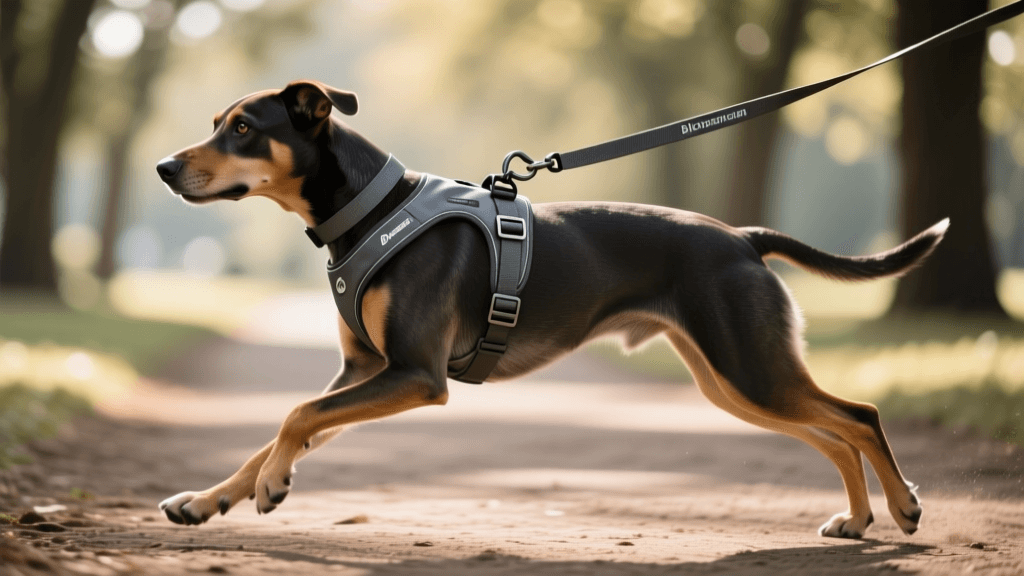
Attaching a 15-meter long line to a collar or a front-clip harness is a recipe for disaster. If your dog spots a deer and sprints to the end of the line, a collar can cause tracheal collapse, and a front-clip harness can cause severe shoulder torsion and whiplash. The Kennel Club's training resources heavily emphasize the use of well-fitted, Y-shaped harnesses with a secure back-clip attachment for long line work. A back-clip harness distributes the sudden shock of hitting the end of the line across the dog's chest and ribcage, protecting their delicate neck and shoulder joints.
Top 2 Harness Recommendations
- Hurtta Weekend Warrior Harness: This Y-shaped harness features a broad, padded chest plate that prevents chafing during long training sessions. The back-clip D-ring is reinforced and sits perfectly between the shoulder blades, keeping the long line clear of the dog's hind legs. Cost: $70 - $85.
- Ruffwear Web Master Harness: Featuring an extra handle on the back, this harness is excellent for handlers who need to quickly secure their dog in rugged terrain. The dual back-clip points allow you to attach the long line to the lower, more stable ring to prevent the harness from shifting during sudden stops. Cost: $85 - $100.
Product Comparison Chart: Top Long Lines and Harnesses
| Product Name | Type | Material | Best For | Estimated Cost |
|---|---|---|---|---|
| Dog & Field Premium | Long Line | Biothane (16mm) | Medium/Large Dogs, Mud & Water | $65 |
| High Tail Tails | Long Line | Textured Biothane | Custom Lengths, Freezing Weather | $75 |
| Tactipup Heavy Duty | Long Line | Biothane (1 inch) | Power Pullers, Working Breeds | $90 |
| Hurtta Weekend Warrior | Back-Clip Harness | Padded Neoprene | Comfort & Joint Protection | $80 |
| Ruffwear Web Master | Back-Clip Harness | Ripstop Nylon | Rugged Terrain & Quick Grabbing | $95 |
Step-by-Step Actionable Recall Training Plan
Having the right gear is only 20% of the equation; the remaining 80% is your training mechanics. Follow this progressive plan to build a reliable recall using your new Biothane long line and back-clip harness.
Step 1: The Engagement Game (Weeks 1-2)
Start in a low-distraction environment like your backyard or an empty tennis court. Let your dog wander to the end of the 10m line. Say their name once. The moment they look at you, mark the behavior with a clicker or a sharp 'Yes!' within 0.5 seconds, and reel them in for a high-value reward like freeze-dried liver or boiled chicken. Do not use kibble for this phase. You are building a high-value association with returning to you.
Step 2: The Restrained Recall (Weeks 3-4)
Have a friend hold your dog's harness while you jog away, clapping your hands and acting excited. Release the dog and call them. The restraint builds frustration and drive, turning the recall into a highly rewarding game of chase. When they arrive, feed them continuously for three to five seconds to prevent them from snatching the treat and immediately running away again.
Step 3: Adding Distractions and Proofing (Weeks 5-8)
Move to a busier environment, such as a quiet park. Allow the dog to engage with a mild distraction, like sniffing a bush. Call them once. If they do not respond, do not repeat the cue. Instead, gently apply pressure to the Biothane line to guide them toward you, then reward heavily when they arrive. This teaches the dog that the recall cue is not optional. Always monitor your dog's stress levels; the ASPCA's guide to canine body language notes that signs like lip licking, yawning, or whale eye indicate your dog is overwhelmed and the distraction level needs to be lowered.
Step 4: The Drop and Drag (Weeks 9-12)
Once your dog is responding reliably on the 15m line, unclip the harness but leave the harness on, or let the Biothane line drag on the ground. This simulates true off-leash conditions while giving you the ability to step on the line if the dog decides to bolt. Only attempt this in securely fenced areas or enclosed fields until the recall is 99% reliable.
Safety Warnings and Best Practices
Working with long lines requires strict safety protocols to protect both you and your dog. First, never wrap a Biothane long line around your wrist, fingers, or waist. If a 70-pound dog bolts, the line can cause severe friction burns or even amputate a finger. Always use a 'palm grip,' allowing the line to slide freely through your hand while you apply friction by squeezing your palm. Second, be highly aware of your surroundings. Long lines can easily wrap around trees, park benches, or the legs of unsuspecting pedestrians. Finally, inspect your Biothane line before every session. While the material itself is virtually indestructible, the metal clasps and O-rings can experience metal fatigue over time. By investing in premium gear and following a structured, reward-based training protocol, you will build the trust and obedience necessary to safely grant your dog the off-leash freedom they crave.
hannah-wickes
All our authors care for dogs every day — read more of their work on the authors page.