First-Year Puppy Care: Comparing Top Breeds For Beginners
Discover how top puppy breeds handle first-year care milestones like potty training, teething, and socialization. Find the perfect match for your lifestyle.
Introduction to First-Year Puppy Care and Breed Selection
Welcoming a puppy into your home is one of the most rewarding experiences a dog lover can have. However, the first year of a dog's life is fraught with developmental milestones, behavioral challenges, and significant financial commitments. For first-time dog owners, selecting the right breed is not just about aesthetics or popularity; it is about matching a breed's inherent traits with your lifestyle, patience level, and living environment. The way different breeds navigate the critical first-year milestones—such as potty training, teething, and early socialization—varies wildly. A breed that thrives in a bustling household with active children might become overwhelmed in a quiet apartment, leading to behavioral issues. Understanding these nuances is the key to a harmonious relationship. In this comprehensive guide, we will compare top beginner-friendly breeds through the lens of first-year puppy care, providing actionable advice, cost estimates, and developmental timelines to help you make an informed decision.
The First-Year Milestones: What to Expect
The first twelve months of a puppy's life are divided into several critical developmental windows. Navigating these stages requires patience, consistency, and the right tools.
Potty Training and Bladder Control
Potty training is often the most stressful hurdle for new owners. A general rule of thumb is that a puppy can hold their bladder for one hour per month of age, plus one. Therefore, a two-month-old puppy needs bathroom breaks every three hours, including overnight. Small breeds, such as the Bichon Frise or Chihuahua, have significantly smaller bladders and higher metabolisms, meaning they require more frequent outdoor trips and often take longer to fully house-train. According to The Humane Society of the United States, establishing a rigid schedule and utilizing positive reinforcement are the most effective methods for house training, regardless of the breed's size.
The Teething Phase
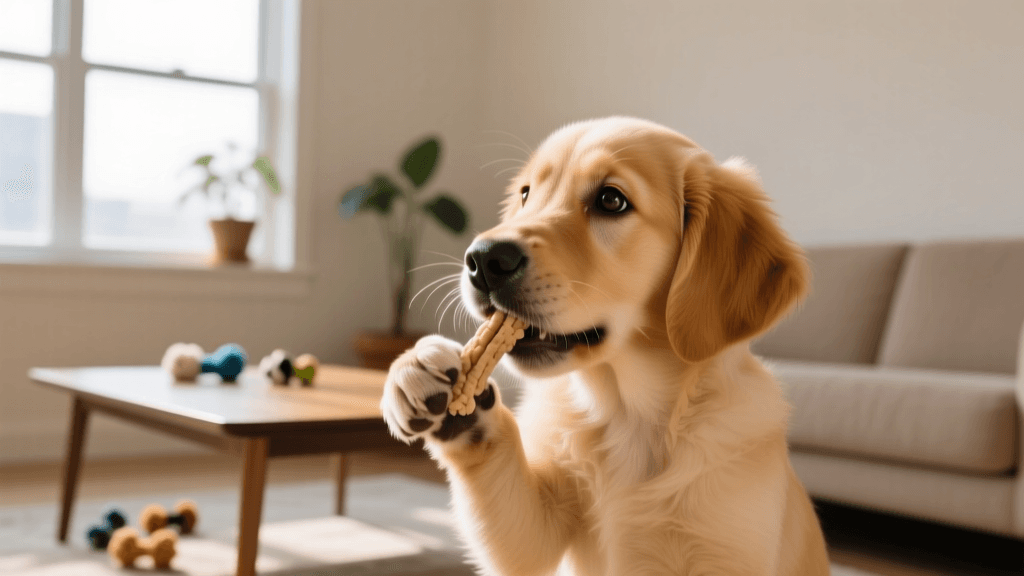
Between three and six months of age, puppies lose their deciduous (baby) teeth and their adult teeth erupt. This process causes severe gum discomfort, leading to destructive chewing. Large, sporting breeds like Golden Retrievers and Labrador Retrievers are notoriously heavy chewers during this phase and require durable, safe outlets for their jaw pressure. Providing frozen treats, rubber chew toys like the KONG Classic, and edible teething chews can save your furniture and soothe your puppy's gums.
Early Socialization Windows
The primary socialization window closes between 12 and 16 weeks of age. During this brief period, puppies must be exposed to diverse stimuli—different surfaces, sounds, people, and other vaccinated dogs—to prevent future fear-based aggression or anxiety. The American Kennel Club (AKC) emphasizes that safe, positive exposure during this window is critical for long-term behavioral stability. Breeds with natural guardian instincts may require more structured socialization to ensure they do not become overly protective or reactive.
Breed Comparison: Top 3 Breeds for First-Time Owners
When evaluating breeds for first-time owners, we must look at how easily they adapt to training, their tolerance for novice mistakes, and their specific first-year care requirements. Below is a comparison of three highly recommended breeds for beginners.
| Breed | Potty Training Speed | Teething Intensity | Socialization Needs | Est. First-Year Cost |
|---|---|---|---|---|
| Golden Retriever | Moderate (2-4 months) | High (Heavy chewers) | High (Needs diverse exposure) | $2,500 - $3,500 |
| Cavalier King Charles Spaniel | Fast (1-3 months) | Moderate (Gentle chewers) | Moderate (Prone to separation anxiety) | $2,000 - $3,000 |
| Bichon Frise | Slow (4-6+ months) | Low to Moderate | Moderate (Highly adaptable) | $2,200 - $3,200 |
Golden Retriever: The Eager-to-Please Companion
Golden Retrievers are famous for their intelligence and desire to please, making obedience training a breeze. However, their first year is marked by boundless energy and intense chewing. A Golden Retriever puppy will need at least 30 to 45 minutes of structured exercise twice a day by the time they are six months old. Their teething phase is legendary; novice owners must puppy-proof their homes extensively, removing shoes, cords, and toxic plants. Investing in heavy-duty crates (42-inch for adult sizing) and indestructible chew toys is mandatory. On the plus side, their eagerness to learn makes potty training relatively straightforward if a consistent schedule is maintained.
Cavalier King Charles Spaniel: The Gentle Lap Dog
If you live in an apartment or prefer a more relaxed lifestyle, the Cavalier King Charles Spaniel is an exceptional choice. Their exercise needs in the first year are modest—short walks and indoor play suffice. They are generally gentle chewers, meaning your baseboards and furniture are safer than they would be with a sporting breed. However, Cavaliers are profoundly bonded to their humans and are highly susceptible to separation anxiety. First-year care must focus heavily on crate training and teaching the puppy to be comfortable alone for short increments of time to prevent destructive distress behaviors later in life.
Bichon Frise: The Hypoallergenic Joy
The Bichon Frise is a favorite for allergy sufferers due to their hair-like coat. While they are cheerful and highly trainable in tricks, their first-year potty training can test the patience of a saint. Small bladders and a stubborn streak mean that indoor potty pads might be a necessary bridge to outdoor training. Furthermore, their coat requires professional grooming every four to six weeks, which significantly impacts the first-year budget. Socialization is generally easy, as Bichons are naturally gregarious and love meeting new people.
Actionable First-Year Care Tips by Breed Size
Care requirements shift dramatically depending on the expected adult size of your chosen breed. Here is how to tailor your first-year strategy:
For Toy and Small Breeds (Under 20 lbs)
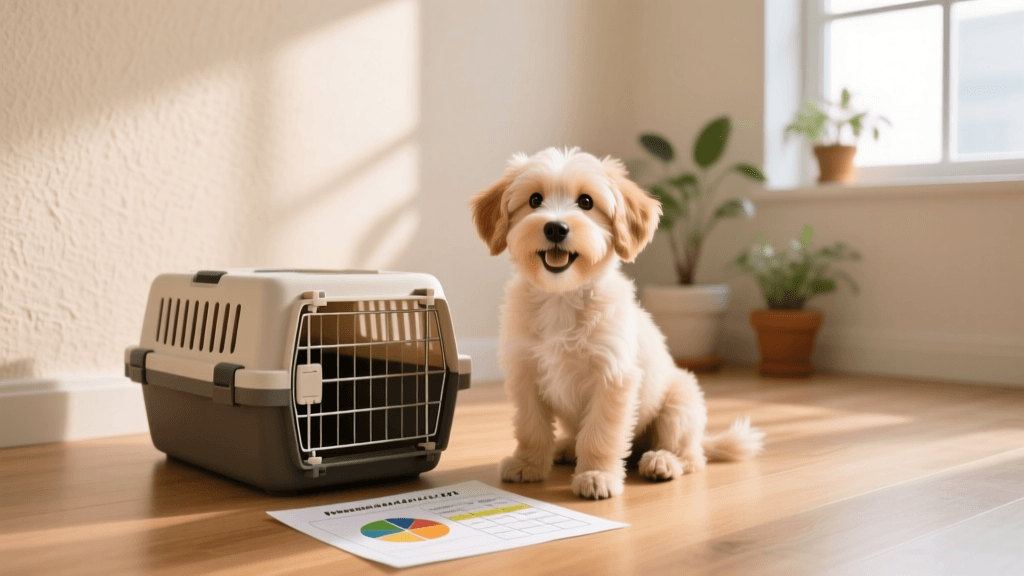
- Crate Sizing: Use a small crate (18 to 24 inches). A crate that is too large will allow the puppy to soil one corner and sleep in the other, ruining potty training efforts.
- Feeding Schedule: Toy breeds are prone to hypoglycemia (low blood sugar) in their first few months. Feed three to four small meals a day of high-quality, small-breed-specific puppy kibble.
- Teething Toys: Avoid hard nylon bones, which can fracture delicate puppy teeth. Opt for softer rubber toys and frozen, damp washcloths.
For Medium and Large Breeds (Over 40 lbs)
- Joint Health: Avoid forced exercise like running on pavement or excessive stair climbing during the first year to protect developing growth plates. Stick to sniffing walks and soft grass play.
- Feeding Schedule: Transition to two meals a day by six months. Choose a large-breed puppy formula that controls calcium and phosphorus levels to prevent rapid, unhealthy bone growth.
- Handling Exercises: Spend five minutes daily handling their paws, ears, and mouth. A 70-pound adult dog that resists nail trims is a safety hazard; start desensitization on day one.
The foundation of a well-behaved adult dog is not built in a single obedience class, but in the hundreds of micro-interactions and consistent routines established during the puppy's first year.
Budgeting for Your Puppy's First Year
Financial preparedness is a crucial aspect of breed selection. The initial purchase or adoption fee is merely the tip of the iceberg. According to data regarding pet ownership expenses compiled by the ASPCA, the first year of dog ownership is the most expensive due to initial setup costs and veterinary procedures.
Expect to spend between $800 and $1,200 on initial veterinary care, which includes a series of DHPP and Rabies vaccinations, deworming, flea/tick/heartworm preventatives, and spay/neuter surgery. Gear costs—including an adjustable harness, a heavy-duty crate, enzymatic cleaners for potty accidents, and chew toys—will easily add $300 to $500. If you opt for a professional puppy kindergarten class (highly recommended for socialization), budget an additional $150 to $300. Large breeds will inherently cost more in high-quality food and heartworm medication, which is dosed by weight.
Conclusion
Selecting the right puppy breed requires looking past the adorable puppy phase and envisioning the reality of the first year of care. Whether you choose the energetic and chew-happy Golden Retriever, the affectionate but separation-prone Cavalier, or the hypoallergenic but potty-stubborn Bichon Frise, success lies in preparation. By understanding the unique developmental milestones, budgeting appropriately, and tailoring your training approach to your puppy's specific size and temperament, you will lay the groundwork for a lifetime of joy, companionship, and mutual trust.
hannah-wickes
All our authors care for dogs every day — read more of their work on the authors page.