Puppy Biting and Mouthing: An Expert Behavior Analysis Guide
Discover expert behavior analysis techniques to manage puppy biting. Learn developmental triggers, redirection protocols, and humane timeout strategies.
The Ethology of Mouthing: Why Puppies Bite
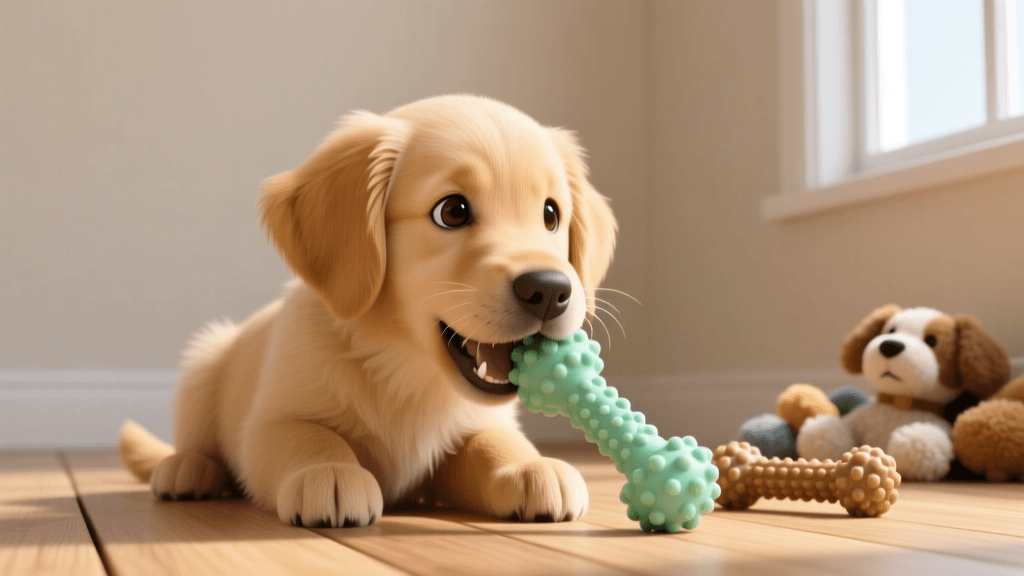
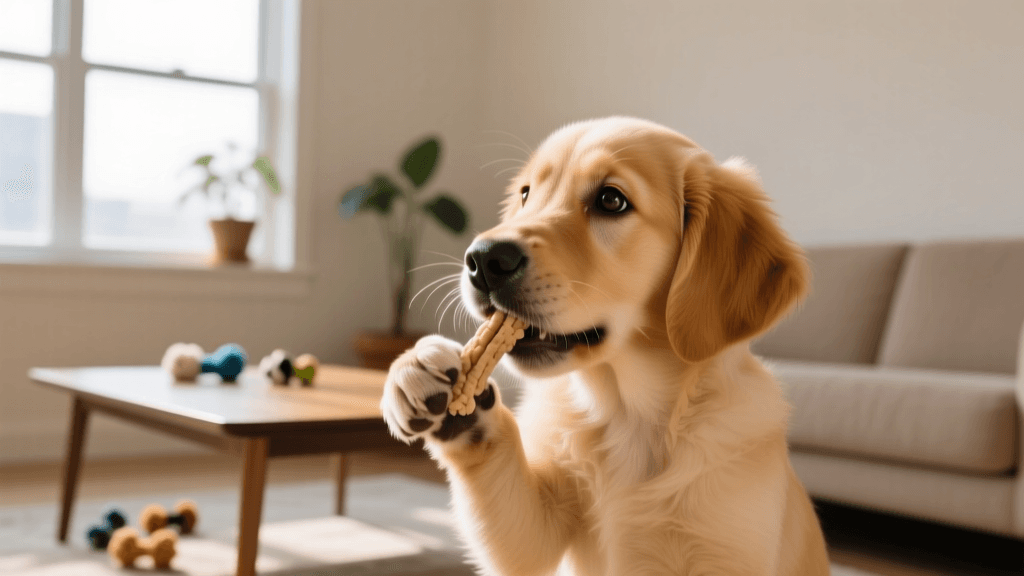
From the perspective of applied animal behavior analysis, puppy biting and mouthing are not acts of malice or dominance; they are species-typical behaviors rooted in canine ethology. Puppies lack the prehensile limbs that human infants use to explore their environment. Instead, the oral cavity serves as their primary sensory tool for investigating textures, temperatures, and objects. Furthermore, in a litter setting, mouthing is the foundational mechanism for social play and the development of bite inhibition.
When a puppy transitions to a human home, this innate drive to mouth continues, often clashing with human sensitivities. Understanding the neurobiological and developmental drivers behind this behavior is the first step in implementing an effective, humane modification protocol. According to the ASPCA, puppies explore the world with their mouths much like human toddlers use their hands, making it crucial for owners to guide this behavior rather than simply punish it.
According to applied animal behaviorists, a puppy's mouth is their primary tool for environmental exploration and social communication. Suppressing this drive without providing an outlet leads to behavioral fallout.
The Teething Timeline and Arousal Spikes
Mouthing behavior is heavily influenced by the physiological discomfort of teething. The timeline of dental development dictates the intensity and frequency of biting:
- 3 to 6 Weeks: Deciduous (baby) teeth erupt. Puppies learn initial bite inhibition from littermates.
- 12 to 16 Weeks: Baby teeth begin to fall out, and adult incisors emerge. Gums are highly inflamed, leading to increased chewing on hard objects (and human hands).
- 4 to 6 Months: Canines and premolars erupt. This is often the peak of destructive chewing and persistent mouthing.
- 6 to 8 Months: All 42 adult teeth are typically in place, though the behavioral habit of mouthing may persist if not properly redirected.
Additionally, behaviorists recognize the phenomenon of 'arousal spikes.' When a puppy becomes overstimulated—often during high-energy play or right before a nap—their sympathetic nervous system engages, lowering their bite threshold and resulting in harder, more frantic nipping.
The Fallacy of Aversive Corrections
Historically, trainers recommended positive punishment (adding an aversive stimulus to decrease a behavior) to stop puppy biting. Techniques such as muzzle grabbing, alpha rolls, or holding the mouth shut were common. Modern veterinary behaviorists strongly advise against these methods.
The American Veterinary Society of Animal Behavior (AVSAB) explicitly warns that the use of aversive punishments can increase fear, anxiety, and stress, potentially triggering defensive aggression. When a puppy is physically corrected for mouthing, they do not learn 'do not bite humans'; they learn 'do not bite humans when the human is watching,' or worse, they associate human hands approaching their face with pain and fear, leading to hand-shyness or fear-based biting later in life.
Applied Behavior Analysis: The ABCs of Puppy Biting
To effectively modify behavior, we must analyze the Antecedent (what happens right before), the Behavior (the biting), and the Consequence (what happens right after). By manipulating the antecedents and consequences, we can reshape the puppy's behavioral repertoire without the use of force.
| Trigger (Antecedent) | Puppy Behavior | Behaviorist Intervention (Consequence) |
|---|---|---|
| Over-arousal during active play | Hard biting, lunging, vocalization | Negative Punishment: Immediate 30-second reverse time-out (human leaves the area). |
| Teething discomfort / Boredom | Chewing on furniture, gnawing on hands | Antecedent Arrangement: Provide frozen enrichment toys (e.g., KONG) before the behavior occurs. |
| Human hands moving quickly near face | Grabbing fingers, play-biting | Differential Reinforcement (DRI): Ask for an incompatible behavior (e.g., 'Sit' or 'Target hand') and reward with food. |
| Witching hour (early evening fatigue) | Frantic nipping, zoomies, biting ankles | Environmental Management: Initiate a forced nap in a crate or pen with a soothing chew. |
The Behaviorist Protocol: Step-by-Step Interventions
1. Differential Reinforcement of Incompatible Behavior (DRI)
DRI involves reinforcing a behavior that cannot physically occur at the same time as the problem behavior. A puppy cannot bite your arm if they are sitting politely or holding a toy in their mouth. When a puppy approaches with the intent to mouth, immediately cue a 'Sit' or present a high-value chew toy. The moment the puppy engages with the toy or sits, mark the behavior with a clicker or a verbal 'Yes!' and reward. This builds a strong reinforcement history for polite greetings.
2. Negative Punishment and the Reverse Time-Out
In operant conditioning, negative punishment means removing a desirable stimulus to decrease a behavior. For a social animal like a dog, your attention and presence are highly desirable. If a puppy bites your skin with undue pressure, emit a calm, neutral marker word like 'Too bad,' immediately stand up, cross your arms, and look away. If the puppy persists, step over a baby gate or leave the room for exactly 15 to 30 seconds. This teaches the puppy a clear contingency: teeth on skin makes the fun stop. Crucially, never use the puppy's crate as a time-out space, as the crate must remain a positive, secure den.
3. Prioritizing Bite Inhibition Before Bite Suppression
Expert behaviorists differentiate between bite inhibition (the ability to control jaw pressure) and bite suppression (the choice not to bite at all). The Humane Society notes that puppies must first learn to soften their bite before they can be expected to stop mouthing entirely. If a puppy mouths you gently, ignore it or redirect. If they bite hard, implement the reverse time-out. This mimics littermate dynamics, teaching the puppy that human skin is extraordinarily fragile.
Environmental Management and Enrichment Toolkit
Managing the environment is often more effective than training in the moment. Providing appropriate outlets for the chewing drive requires specific tools. Budget approximately $50 to $80 for a foundational enrichment kit.
- KONG Classic (Red or Black, $15 - $22): The gold standard for redirection. For teething puppies, plug the small hole with peanut butter, fill with a mixture of plain Greek yogurt and low-sodium chicken broth, and freeze for 4 hours. The cold soothes inflamed gums while the licking behavior releases endorphins that lower arousal.
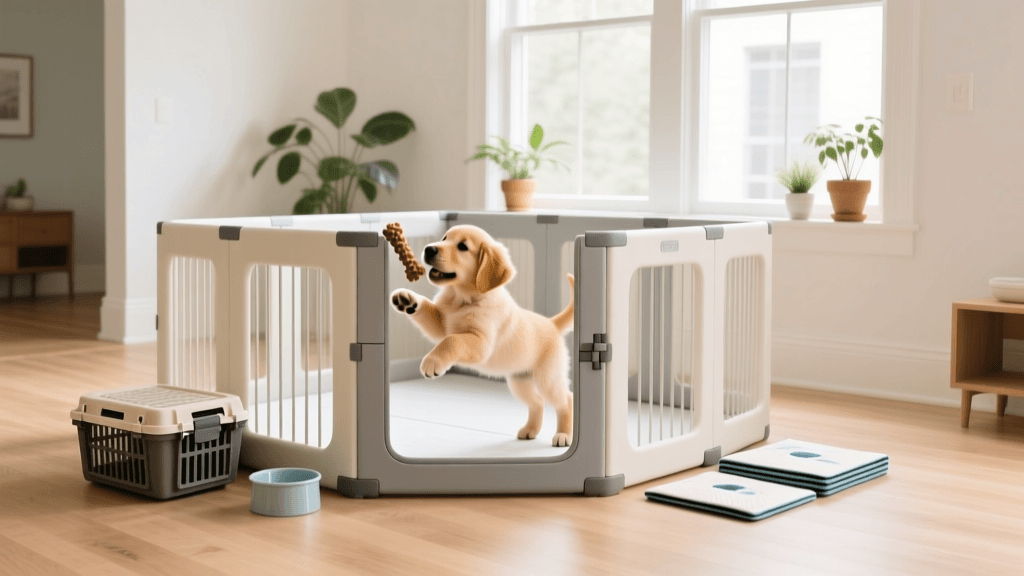
- West Paw Toppl ($20 - $25): An interlocking puzzle toy that is easier to clean than rubber toys. Use it for wet food enrichment to keep the puppy occupied in a playpen during high-risk biting hours.
- Snuffle Mat ($25 - $35): While not a chew toy, a snuffle mat encourages foraging behavior. Sniffing lowers a dog's heart rate and acts as a behavioral decompression tool, effectively reducing the over-arousal that leads to biting.
- Long-Lasting Edible Chews ($20 - $40 per month): Bully sticks or yak cheese chews provide proprioceptive feedback to the jaw muscles. Always supervise edible chews and remove them when they become small enough to be a choking hazard.
Managing the 'Witching Hour'
Many owners report severe biting episodes between 6:00 PM and 9:00 PM. From a behavioral standpoint, this is usually a combination of accumulated environmental stress (overstimulation from the day's events) and sleep deprivation. Puppies require 16 to 20 hours of sleep per day. When overtired, their impulse control plummets.
The behaviorist solution is proactive management. Do not wait for the puppy to start biting. At 5:30 PM, initiate a calm-down routine. Provide a frozen enrichment toy inside their playpen or crate with classical music or white noise playing. Enforcing a mandatory nap during this window prevents the arousal spike from occurring in the first place, saving your hands and your sanity.
Conclusion
Puppy biting is a temporary developmental phase, but how you respond to it shapes your dog's lifelong emotional regulation and trust in humans. By applying the principles of behavior analysis—managing antecedents, utilizing negative punishment humanely, and providing robust environmental enrichment—you can navigate the teething months successfully. Remember that consistency and patience are your most powerful tools in cultivating a well-adjusted, polite adult dog.
anouk-beaumont
All our authors care for dogs every day — read more of their work on the authors page.