First-Year Dog Costs: A Complete Budget Breakdown
Discover the true cost of getting a dog. Our first-year budget breakdown covers adoption fees, vet bills, food, and supplies to help you plan ahead.

The True Price of Puppy Love: Why Budgeting Matters
Bringing a dog into your life is one of the most rewarding decisions you can make, but it is also a significant financial commitment. Many new pet parents focus solely on the adoption fee or the breeder's price tag, only to be caught off guard by the ongoing expenses of responsible dog ownership. According to the American Kennel Club (AKC), the first year of dog ownership is consistently the most expensive, as you are not only covering routine care but also investing in essential gear, initial veterinary procedures, and training.
Proper financial planning ensures that you can provide a high quality of life for your new companion without experiencing financial stress. This comprehensive guide breaks down the real costs of getting a dog, from upfront acquisitions to hidden emergency expenses, helping you build a realistic first-year budget.
Upfront Acquisition and Setup Costs
The initial cost of acquiring your dog varies wildly depending on your source. Adopting from a local shelter or rescue organization typically ranges from $50 to $300. This fee often includes initial vaccinations, spaying or neutering, and microchipping, making it a highly cost-effective route. Conversely, purchasing a puppy from a reputable, health-tested breeder can cost anywhere from $1,500 to over $4,000, depending on the breed and lineage.
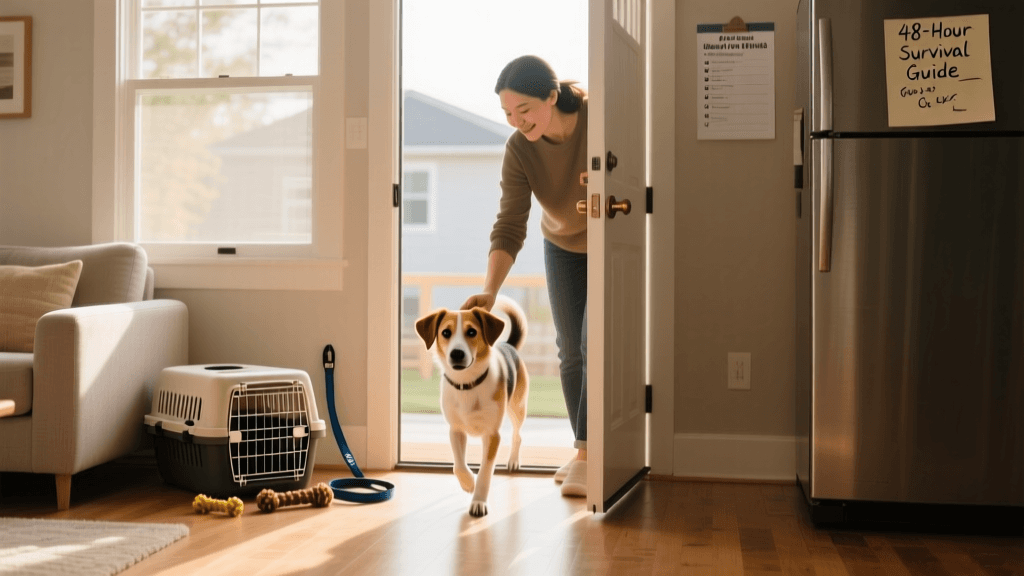
Once your dog is home, you must equip your space. Here is a breakdown of essential first-day gear with estimated costs for a medium-to-large dog:
- Wire Crate: A 42-inch Midwest Homes for Pets Double Door Crate ($65 - $85) provides a safe den and aids in house training.
- Bedding: A durable, chew-resistant bed like the K&H Pet Products Original Bolster Cot ($50 - $70).
- Collar and Harness: A basic nylon collar for ID tags ($10) and a crash-tested Kurgo Tru-Fit Smart Harness for walks and car rides ($25 - $35).
- Leash: A standard 6-foot leather or biothane leash ($20 - $30). Avoid retractable leashes for initial training.
- Food and Water Bowls: Stainless steel or heavy ceramic bowls ($15 - $25 for a set) to prevent bacterial buildup and canine acne.
- Enrichment Toys: The classic Kong Red Rubber Toy ($15) and a set of Nylabone chew toys ($12) to save your furniture.
Estimated Setup Total: $200 - $350
First-Year Veterinary and Healthcare Expenses
Healthcare represents one of the largest chunks of your first-year budget. Puppies and newly adopted adult dogs require a rigorous veterinary schedule to establish baseline health and immunity. The ASPCA recommends a thorough initial exam followed by a series of core vaccines.
The Puppy Vaccine Schedule
If you are getting a puppy, expect to visit the vet every three to four weeks until they are 16 weeks old. Core vaccines include DHPP (Distemper, Hepatitis, Parainfluenza, and Parvovirus) and Rabies. A full puppy vaccine series typically costs between $150 and $300. If you adopt an adult dog from a shelter, they may already be up-to-date, requiring only an annual booster ($50 - $100).
Spaying/Neutering and Microchipping
If your adopted dog is not already altered, spaying or neutering is a critical medical and behavioral investment. Costs vary by geography and the dog's weight, generally ranging from $200 for a small dog to $800 for a giant breed at a private veterinary clinic. Microchipping, a vital step for permanent identification, usually costs around $50 if done at the vet, though many shelters include this in the adoption fee.
Parasite Prevention
Year-round prevention for heartworm, fleas, and ticks is non-negotiable. Products like NexGard (for fleas and ticks) and Heartgard Plus (for heartworm) will cost approximately $150 to $250 annually, depending on your dog's weight class.
Recurring Monthly and Annual Costs
Beyond the vet, your dog has daily nutritional and maintenance needs. Food costs are directly tied to your dog's size and the quality of the diet. A 10-pound Terrier might eat a 15-pound bag of Purina Pro Plan ($25) every two months, while a 70-pound Labrador will consume a 35-pound bag ($70) in less than a month. Premium, fresh-food delivery services like The Farmer's Dog or Ollie can push monthly food budgets well past $150 to $300.
Grooming is another recurring expense. While short-haired breeds like Boxers only need occasional baths and nail trims at home, breeds with continuously growing hair, such as Poodles, Doodles, and Shih Tzus, require professional grooming every 6 to 8 weeks. Expect to pay $70 to $120 per session, adding $500 to $900 to your annual budget.
First-Year Dog Cost Breakdown
To help you visualize the financial commitment, the table below outlines estimated first-year costs based on dog size and acquisition method. These figures assume a standard commercial diet and routine veterinary care without major emergencies.
| Expense Category | Small Dog (Adopted) | Medium Dog (Adopted) | Large Dog (Breeder) |
|---|---|---|---|
| Acquisition Fee | $150 | $250 | $2,500 |
| Initial Supplies & Gear | $150 | $250 | $350 |
| First-Year Vet Care & Vaccines | $400 | $500 | $800 |
| Spay/Neuter (if not included) | $250 | $400 | $600 |
| Annual Food & Treats | $250 | $500 | $900 |
| Preventatives (Flea/Tick/HW) | $120 | $180 | $250 |
| Grooming & Maintenance | $100 | $150 | $200 |
| Training Classes | $150 | $150 | $250 |
| Estimated First-Year Total | $1,570 | $2,380 | $5,850 |
Hidden Costs and Emergency Planning
Even the most meticulous budget can be derailed by hidden costs. Professional dog training is highly recommended for first-time owners. Group puppy socialization classes usually cost $150 for a six-week course, while private behavioral consultations can run $100 to $150 per hour.
Additionally, consider your lifestyle. If you travel frequently or work long hours, you may need to hire a dog walker via apps like Rover or Wag at $20 to $30 per walk, or pay for overnight pet boarding, which averages $40 to $75 per night.
The American Veterinary Medical Association (AVMA) emphasizes that responsible pet ownership includes planning for the unexpected. Emergency veterinary care for issues like intestinal blockages, toxin ingestion, or traumatic injuries can easily exceed $3,000 to $5,000 in a single visit.
Actionable Tips for Financial Preparation
To ensure you are fully prepared for the financial reality of dog ownership, implement these strategies before bringing your dog home:
- Open a Dedicated Pet Savings Account: Set up a separate high-yield savings account specifically for your dog. Automate a monthly transfer of $50 to $100 to build a buffer for routine annual costs and minor emergencies.
- Research Pet Insurance Early: Pet insurance providers like Healthy Paws, Trupanion, or Lemonade reimburse a percentage of unexpected veterinary bills. Crucially, you must enroll your dog before any pre-existing conditions develop. Premiums for a puppy typically start around $30 to $50 per month.
- Factor in Your Time as a Cost: Time is money. Housebreaking, crate training, and daily exercise require hours of dedication. If your schedule cannot accommodate this, budget for a professional trainer or doggy daycare ($30 - $50 per day).
Final Thoughts
Getting a dog is a profound commitment that extends far beyond the initial joy of their arrival. By understanding the true cost breakdown and planning your finances accordingly, you ensure that your new best friend receives the care, nutrition, and medical attention they deserve. A well-planned budget transforms potential financial anxiety into peace of mind, allowing you to focus entirely on building an unbreakable bond with your new canine companion.
beth-carrasco
All our authors care for dogs every day — read more of their work on the authors page.