How To Prepare Your Home For A New Dog
Learn about how to prepare your home for a new dog with expert tips and data-backed advice.
Before Your Dog Comes Home
Bringing a dog into your home is one of the most rewarding decisions you can make, but the weeks before your new companion arrives matter just as much as the day itself. A well-prepared home reduces stress for both you and the dog, shortens the settling-in period, and helps prevent the accidents and destructive behaviour that catch unprepared owners off guard. Whether you are adopting from a rescue centre or purchasing from a registered breeder, the groundwork is the same.
According to the Pet Food Manufacturers' Association (PFMA, 2023), approximately 13 million dogs live in UK households, representing around 34% of all homes. That figure has grown steadily since 2020, meaning rescue organisations and breeders alike are fielding more enquiries than ever. The surge in demand makes careful preparation even more important — rushed decisions lead to returns, and returns are hard on dogs.
Choosing the Right Breed for Your Lifestyle
Breed selection is the single most consequential decision in the entire process. A Border Collie in a one-bedroom flat without a garden is not a welfare problem waiting to happen — it is a welfare problem that has already happened. Matching energy levels, grooming requirements, and temperament to your actual daily routine, not your aspirational one, is essential.
The Kennel Club (2024) registers over 220 recognised breeds in the UK, grouped into seven categories: Hound, Gundog, Terrier, Utility, Working, Pastoral, and Toy. Each group carries broad behavioural tendencies. Pastoral breeds such as German Shepherds and Border Collies were developed to work all day and need at least 2 hours of vigorous exercise daily. Toy breeds like the Cavalier King Charles Spaniel are content with 30–45 minutes. Neither is better — they are simply different, and the right match depends entirely on your circumstances.
Questions to Ask Before Selecting a Breed
Before settling on a breed, work through these practical questions honestly:
- How many hours per day will the dog be alone? Most dogs struggle beyond 4 hours without company or enrichment.
- Do you have a garden, and if so, is it securely fenced to at least 1.8 metres for larger or more athletic breeds?
- Does anyone in the household have allergies? Low-shedding breeds such as Poodles or Bichon Frises may be more suitable.
- What is your experience level? Some breeds, including Chow Chows and Akitas, are not recommended for first-time owners by the Kennel Club.
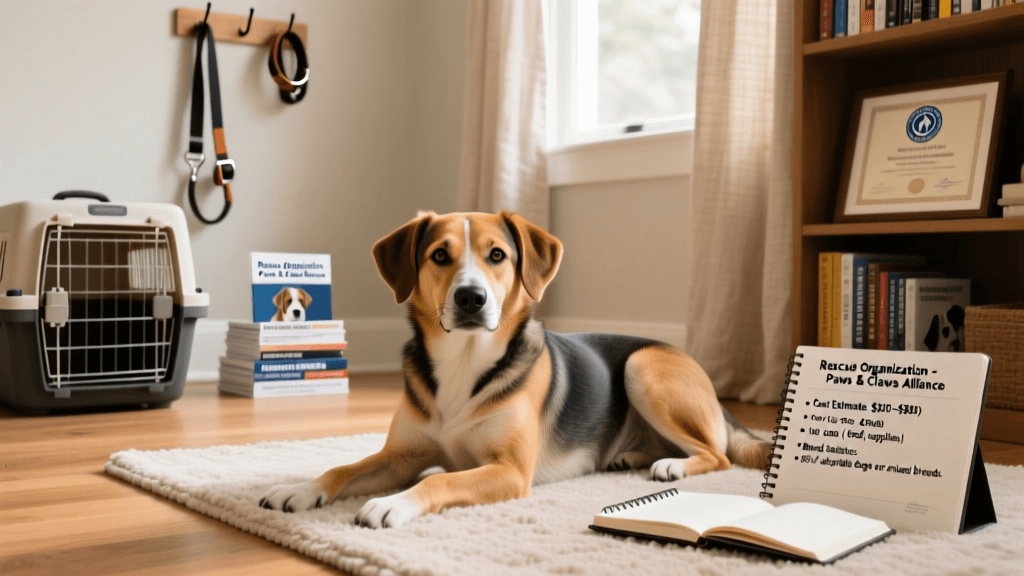
- Can you afford the ongoing costs? The PDSA Animal Wellbeing Report (2023) estimates the lifetime cost of a medium-sized dog at between £21,000 and £33,000.
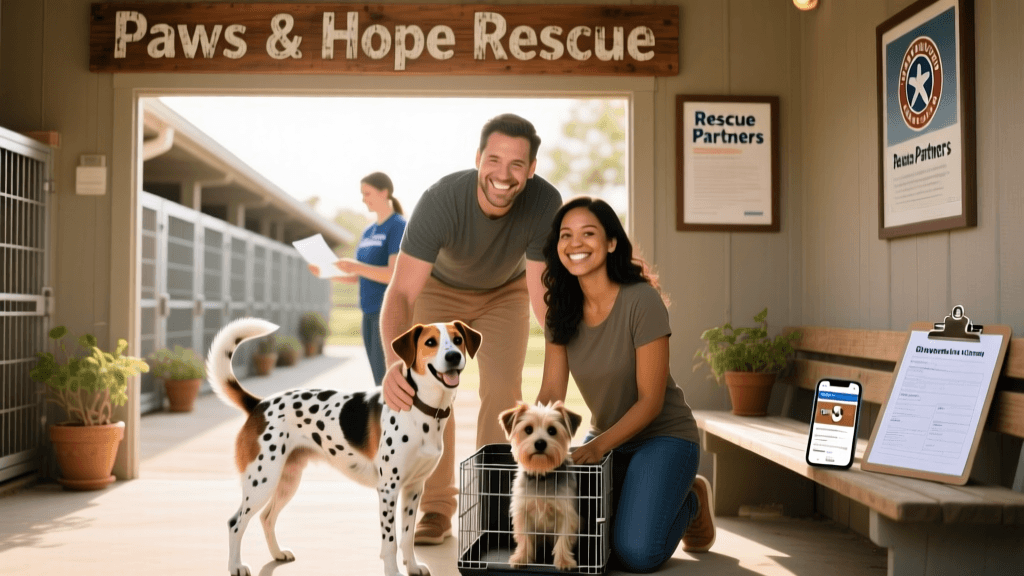
If you are open to a mixed-breed dog — and there are excellent reasons to be — rescue organisations such as Dogs Trust and the RSPCA can help match you to a dog whose temperament has already been assessed by experienced staff. Dogs Trust alone rehomed over 12,000 dogs in 2022 across its 23 UK rehoming centres.
Rescue or Registered Breeder?
Both routes are valid, and both require due diligence. If you choose a breeder, use the Kennel Club's Find a Puppy service or look for breeders who hold Assured Breeder status. Assured Breeders are inspected against a code of practice covering health testing, socialisation, and living conditions. Avoid any breeder who will not let you see the puppy with its mother, who offers to deliver the puppy to a car park, or who has multiple litters available simultaneously — these are recognised indicators of puppy farming.
If you choose rescue, expect a thorough application process. Reputable organisations including Battersea Dogs & Cats Home conduct home visits, reference checks, and matching interviews. This is not bureaucracy for its own sake — it dramatically improves the likelihood of a successful, permanent placement.
The True Cost of Dog Ownership
Many first-time owners underestimate the financial commitment involved. The initial purchase or adoption fee is only the beginning. Below is a realistic breakdown of first-year costs for a medium-sized dog in the UK.
| Expense | Estimated Cost (Year 1) |
|---|---|
| Purchase price or adoption fee | £0 – £3,000+ |
| Vaccinations (primary course) | £60 – £100 |
| Neutering | £150 – £365 |
| Microchipping (legally required in England) | £10 – £30 |
| Pet insurance (annual premium) | £200 – £800 |
| Food | £400 – £1,200 |
| Equipment (crate, bed, leads, bowls) | £150 – £400 |
| Training classes | £80 – £250 |
| Grooming | £0 – £600 |
Pet insurance deserves particular attention. Veterinary costs in the UK have risen sharply — the British Veterinary Association reported a significant increase in practice fees between 2021 and 2023, partly driven by staffing pressures and equipment costs. A single orthopaedic procedure can exceed £5,000. Lifetime cover policies, while more expensive than accident-only or time-limited policies, provide the most comprehensive protection and are generally recommended by vets for breeds prone to hereditary conditions.
Preparing Your Home Room by Room
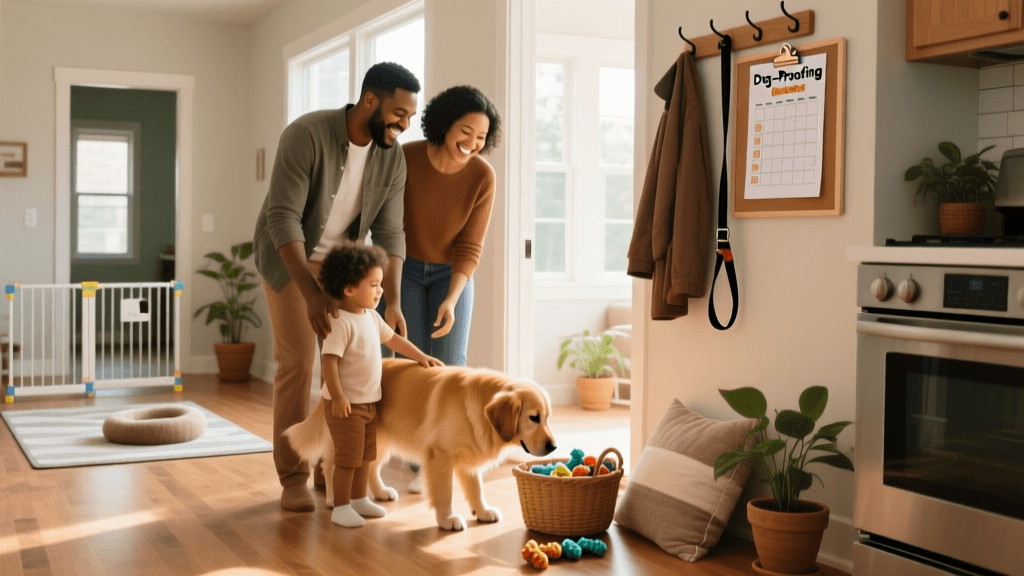
Dog-proofing is not a single task — it is a room-by-room audit. Dogs, especially puppies, investigate the world with their mouths, and a surprising number of common household items are toxic or dangerous.
The Kitchen and Living Areas
Secure all low-level cupboards containing cleaning products, medications, or food. Many foods that are harmless to humans are toxic to dogs: grapes and raisins can cause acute kidney failure, xylitol (found in sugar-free gum and some peanut butters) is rapidly fatal even in small quantities, and onions cause cumulative red blood cell damage. The Animal Poison Line, operated by the Veterinary Poisons Information Service in the UK, handles thousands of calls annually related to accidental ingestion.
Trailing electrical cables should be secured or covered. Puppies in particular will chew anything within reach, and electrocution is a genuine risk. Baby gates are useful for restricting access to certain rooms during the settling-in period and for creating a safe space the dog can retreat to.
The Garden
Check your perimeter fencing thoroughly before the dog arrives, not after the first escape. For most medium and large breeds, fencing should be at least 1.8 metres high. Check for gaps at ground level — a determined dog can squeeze through a surprisingly small space. Remove or fence off any plants known to be toxic to dogs. The Dogs Trust publishes a comprehensive list, but common culprits include foxglove, yew, laburnum, and bluebells.
Ensure garden chemicals — fertilisers, slug pellets, weedkillers — are stored securely. Metaldehyde slug pellets are particularly dangerous and have been responsible for numerous dog fatalities. While metaldehyde-based pellets were banned for amateur use in Great Britain in 2022, ferric phosphate alternatives are still widely used and can cause gastrointestinal upset in large quantities.
Essential Equipment Checklist
Having the right equipment ready before your dog arrives prevents last-minute panic and ensures the dog's first hours in your home are calm and comfortable. The following list covers the essentials:
- Crate: A correctly sized crate — the dog should be able to stand, turn around, and lie flat — provides a secure den. Crate training, done positively, reduces anxiety and aids toilet training significantly.
- Collar, ID tag, and lead: Under the Control of Dogs Order 1992, all dogs in public places in England must wear a collar with the owner's name and address. This is a legal requirement, not a suggestion.
- Food and water bowls: Stainless steel bowls are more hygienic than plastic and do not harbour bacteria in scratches.
- Appropriate food: Confirm with the breeder or rescue centre what the dog has been eating and continue that diet initially. Sudden dietary changes cause digestive upset. Transition to a new food gradually over 7–10 days if needed.
- Bedding: A washable, comfortable bed placed inside or near the crate gives the dog a consistent resting place.
- Toys: A variety of textures and types — chew toys, tug toys, puzzle feeders — provides mental stimulation and appropriate outlets for natural behaviours.
- Enzymatic cleaner: Accidents will happen. Enzymatic cleaners break down the proteins in urine that standard cleaners leave behind, which would otherwise attract the dog back to the same spot.
The First Week: Setting Expectations
The first week is an adjustment period for everyone. Many dogs display what rescue workers call the "3-3-3 rule": 3 days to decompress and feel overwhelmed, 3 weeks to learn the routine and begin to feel comfortable, and 3 months to fully settle and show their true personality. Expecting a perfectly behaved dog on day one sets both of you up for frustration.
Establish a consistent daily routine from the start. Dogs are creatures of habit, and predictable feeding times, walk times, and sleep times reduce anxiety considerably. Take the dog outside to toilet first thing in the morning, after every meal, after play, and before bed. Reward every successful outdoor toilet with calm praise and an occasional treat. Punishment for indoor accidents is counterproductive — the dog does not connect the punishment with the act, and it damages trust.
Enrol in a reward-based training class as soon as your puppy's vaccination course is complete, or immediately for an adult rescue dog. The Association of Pet Dog Trainers (APDT) maintains a directory of qualified trainers who use force-free methods. Basic obedience — sit, stay, recall, loose-lead walking — is not optional. A dog with reliable recall is a safer dog, and a safer dog is a dog that gets more freedom and a better quality of life.
Socialisation during the first 12–16 weeks of a puppy's life is a critical developmental window. Positive exposure to different people, environments, sounds, and other animals during this period shapes the dog's confidence and temperament for life. Missing this window does not doom a dog, but it does mean more work later. Your vet can advise on safe socialisation before the vaccination course is complete — puppy classes held in clean indoor environments are generally considered low-risk and high-value.
Bringing a dog home is a long-term commitment — the average lifespan of a dog in the UK is 11–12 years, with many smaller breeds living well into their mid-teens. The preparation you do now, from choosing the right breed to dog-proofing your garden to finding a good vet and trainer, pays dividends across that entire relationship. Dogs are not accessories or impulse purchases. They are social animals with complex needs, and meeting those needs is both a responsibility and, when done well, a genuine source of daily joy.
Beth Carrasco
All our authors care for dogs every day — read more of their work on the authors page.