Getting a Puppy in Winter: Essential Gear and Safety Tips
Bringing a puppy home in winter requires special prep. Discover essential cold-weather gear, potty training tips, and safety advice for your new furry friend.
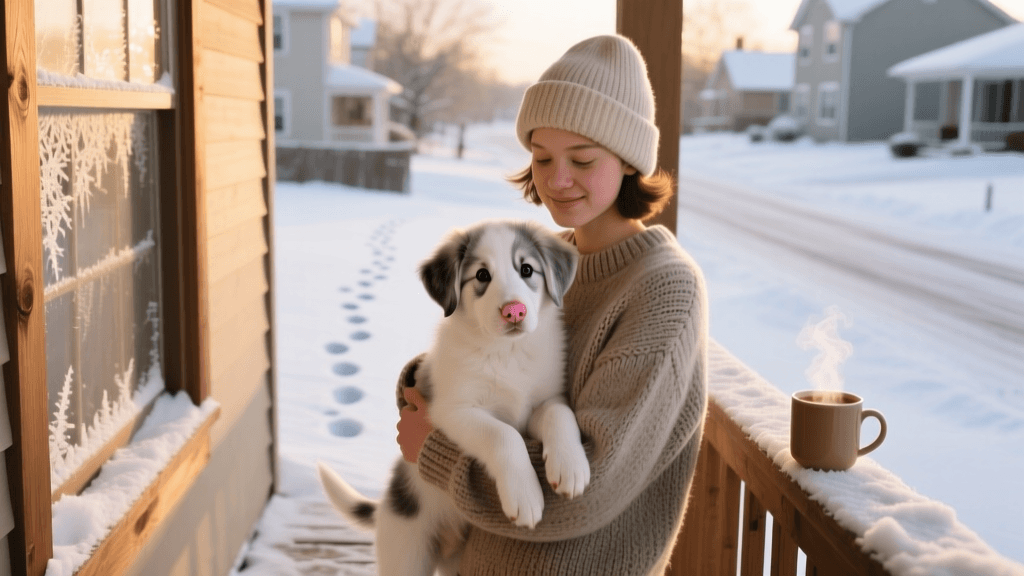
Bringing a New Puppy Home in the Dead of Winter
Bringing a new puppy home is an unforgettable experience filled with wagging tails, clumsy paws, and endless cuddles. However, if your adoption or purchase date falls between December and February, you are signing up for an entirely unique set of challenges. Winter weather brings freezing temperatures, icy sidewalks, and limited daylight hours, all of which can complicate the crucial first weeks of puppyhood. According to the American Kennel Club (AKC), young puppies lack the fully developed double coats and body fat reserves necessary to regulate their core temperatures in extreme cold. This means that getting a puppy in winter requires meticulous preparation, specialized gear, and a shift in your training expectations. In this comprehensive guide, we will cover everything you need to know to keep your new furry family member safe, warm, and properly trained during the harshest months of the year.
The Ultimate Winter Puppy Gear Checklist
Before your puppy's paws ever touch the snow, you need to stock up on cold-weather essentials. Standard puppy starter kits rarely account for sub-zero temperatures. Here is what you need to purchase before day one:
1. Insulated Puppy Coats
Short-haired breeds like Boxers, Greyhounds, and Chihuahuas, as well as young puppies of any breed, need an extra layer of insulation. Look for a coat with a water-resistant outer shell and a fleece lining. The Ruffwear Overcoat Fuse (approximately $90) is an excellent choice because it features a leash portal, allowing you to clip a harness underneath the coat. Measure your puppy's girth and back length carefully, as puppies grow rapidly; you may need to size up twice in the first six months.
2. Paw Protection: Boots and Balms
Ice, snow, and chemical de-icers can cause severe micro-abrasions and chemical burns on delicate puppy paw pads. Pawz Rubber Dog Boots (around $15 for a pack of 12) are disposable, biodegradable, and provide an excellent barrier against toxic road salts. If your puppy refuses to wear boots—which is common for first-timers—a heavy-duty paw wax like Musher's Secret Dog Paw Wax ($25) is mandatory. Apply a thick layer of the wax before heading outside to create a semi-permeable shield against ice buildup between the toes.
3. Indoor Potty Alternatives
Blizzards and wind chills below zero are no time to force an eight-week-old puppy outside. Invest in a high-quality indoor potty system. The PetSafe Pet Loo (approx. $130) features synthetic grass over a collection bin, mimicking the outdoors while keeping your living room odor-free.
Cold Weather Potty Training Strategies
Potty training is notoriously difficult in the winter. Puppies will often step outside into the freezing snow, immediately lift their paws, and run back to the warm door, refusing to eliminate. To combat this, implement the following strategies:
- Shovel a Dedicated Potty Patch: Do not expect your puppy to trudge through knee-deep snow. Shovel a small, 4x4 foot square down to the grass or pavement in a sheltered area of your yard. This gives them a comfortable, dry spot to do their business.
- The Umbrella Escort: If it is snowing heavily, use a large golf umbrella to shield your puppy from the falling snow while they are on their leash. Snow hitting a puppy's face and eyes is a major deterrent to focusing on their potty tasks.
- High-Value Reward System: Reserve the absolute best treats exclusively for outdoor winter elimination. Freeze-dried beef liver or Zuke's Mini Naturals work perfectly. The moment they finish, reward them heavily and immediately head back inside to the warmth.
- Use a Cue Word: Teach a specific command like "go potty" while they are in the act. In the cold, you want them to associate the phrase with the action so they can complete the task in under 60 seconds before the cold sets in.
Beating Cabin Fever: Indoor Enrichment
When the wind chill drops below zero, outdoor walks must be limited to quick potty breaks. A bored puppy is a destructive puppy, so you must replace physical exercise with intense mental stimulation. Mental enrichment actually tires a puppy's brain out faster than a mile-long walk. Consider these indoor activities:
Snuffle Mats and Foraging
A snuffle mat is a fabric mat with deep felt strips where you can hide your puppy's daily kibble ration. It taps into their natural scavenging instincts and can keep a puppy occupied for 20 to 30 minutes straight. Brands like PAW5 Wooly Snuffle Mat ($45) are machine washable and highly durable.
Food-Dispensing Puzzles
Ditch the food bowl entirely during the winter months. Use toys like the KONG Classic ($15) or the Outward Hound Nina Ottosson Dog Brick ($20). Stuff the KONG with a mixture of plain pumpkin puree, low-sodium chicken broth, and puppy-safe peanut butter, then freeze it solid. Licking and chewing release endorphins that soothe an anxious, cooped-up puppy.
Flirt Poles and Interactive Tug
A flirt pole is essentially a giant cat wand for dogs. Using a sturdy pole with a bungee cord and a fleece lure, you can simulate prey drive and get your puppy sprinting, jumping, and tiring out in the confines of your living room or basement. The Outward Hound Tail Teaser ($25) is a fantastic, affordable option. Combine this with structured tug-of-war sessions using a Mammoth Flossy Chews Cotton Rope ($10) to teach the "drop it" command while burning off excess physical energy.
Hidden Winter Hazards for New Dogs
The winter landscape is riddled with invisible dangers that can be fatal to an inquisitive new puppy. The ASPCA strongly warns pet owners about the prevalence of toxic substances used during the colder months.
Antifreeze Toxicity
Ethylene glycol, the primary ingredient in most automotive antifreezes, has a sweet taste that is highly attractive to puppies. Ingesting even a few teaspoons can cause acute, irreversible kidney failure and death. Always clean up garage spills immediately, and consider switching to a propylene glycol-based antifreeze, which is significantly less toxic to animals.
Rock Salt and Chemical De-Icers
Sidewalk salt dries out paw pads and causes painful cracking. Worse, when your puppy licks their paws after a walk, they ingest these chemicals, leading to severe gastrointestinal distress, vomiting, and drooling. Always keep a damp towel by the front door and thoroughly wipe down every single paw pad and the spaces between the toes the second you come inside.
Frostbite and Hypothermia Risks
Puppies cannot shiver effectively to generate heat, making them highly susceptible to hypothermia. Frostbite typically targets the extremities: the tips of the ears, the tail, and the paw pads. If you notice your puppy's skin turning pale or bluish-gray, or if they are lethargic and unresponsive after being outside, wrap them in a warm, dry towel and contact your emergency veterinarian immediately. Never use a direct heat source like a hairdryer or heating pad on frostbitten tissue, as this can cause severe thermal burns.
"Always wipe down your dog's paws, legs, and stomach after walks in the snow to remove salt, antifreeze, and other harmful chemicals." — American Veterinary Medical Association (AVMA)
Winter Puppy Gear Comparison Chart
To help you budget and prioritize your pre-adoption shopping, refer to the comparison table below. This chart breaks down the essential gear needed for a puppy's first winter.
| Gear Category | Primary Purpose | Top Brand Recommendation | Estimated Cost |
|---|---|---|---|
| Insulated Coat | Core body heat retention and wind protection | Ruffwear Overcoat Fuse | $85 - $95 |
| Rubber Paw Boots | Barrier against ice, salt, and sharp debris | Pawz Disposable Boots | $15 (12-pack) |
| Paw Protection Wax | Moisturizes pads and prevents ice balling | Musher's Secret Wax | $20 - $25 |
| Indoor Potty System | Emergency elimination during severe blizzards | PetSafe Pet Loo | $110 - $140 |
| Mental Enrichment Toy | Combats cabin fever and indoor boredom | KONG Classic (Red/Black) | $12 - $18 |
Final Thoughts on Winter Adoptions
Getting a puppy in winter is undeniably more demanding than a spring or summer adoption, but it also offers unique advantages. The necessity of staying indoors fosters deep bonding, accelerated crate training, and intense focus on foundational obedience commands. By investing in the proper cold-weather gear, adapting your potty training routines, and remaining vigilant against environmental toxins, you can ensure your new puppy thrives despite the dropping temperatures. Remember, preparation is your best defense against the winter chill. Stock your supplies, puppy-proof your home, and get ready to welcome your new best friend into the warmth of your family.
beth-carrasco
All our authors care for dogs every day — read more of their work on the authors page.