2026 Puppy Enrichment Guide: First-Week Puzzle Toy Rotation
Discover the ultimate 2026 first-week puzzle toy rotation schedule to decompress your new puppy or rescue dog using mental enrichment and brain games.
Why Mental Enrichment Trumps Physical Exercise in Week One
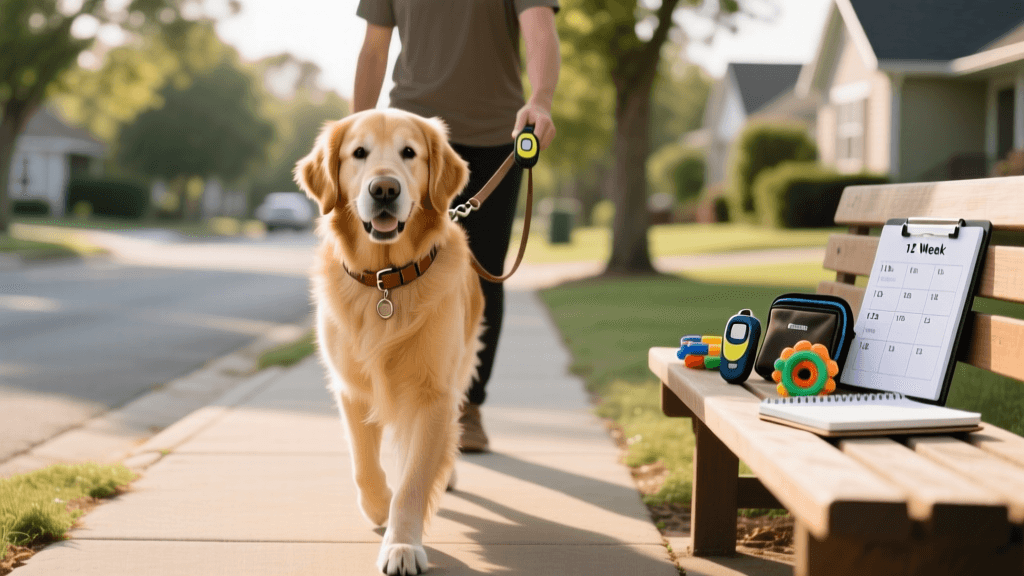
Bringing a new dog or puppy home is one of the most exciting milestones you will experience in 2026, but the transition period can be incredibly overwhelming for your new companion. Many new owners make the mistake of trying to physically exhaust their new puppy or rescue dog with long walks or intense fetch sessions. However, veterinary behaviorists consistently warn against over-exercising young puppies whose growth plates are still developing, or overwhelming a decompressing rescue dog with too much environmental stimuli.
The solution lies in mental enrichment and puzzle games. According to the American Kennel Club, just 15 to 20 minutes of focused mental enrichment, such as sniffing, foraging, and puzzle-solving, can tire a dog out as much as an hour of vigorous physical exercise. Sniffing lowers a dog's heart rate and releases dopamine, promoting a natural sense of calm. For a new dog navigating a strange home, structured puzzle play provides a predictable, rewarding outlet for their anxiety and curiosity.
The 2026 First-Week Puzzle Toy Rotation Schedule
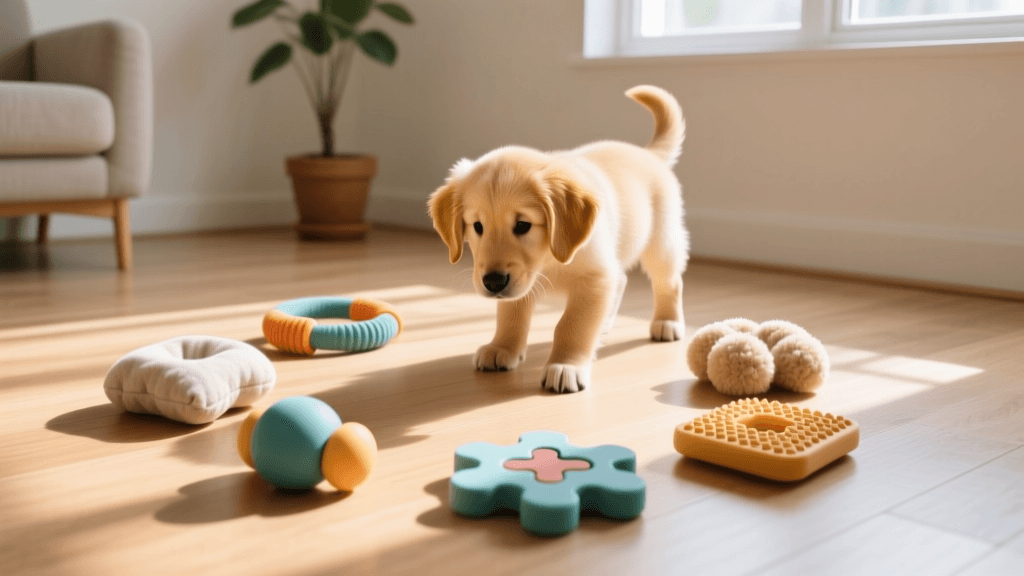
When you first bring your dog home, establishing a routine is critical. A rotation schedule prevents your dog from becoming bored with their toys and ensures they are consistently challenged without becoming frustrated. Below is a structured, 7-day mental enrichment rotation designed specifically for the first week of your dog's arrival.
| Day | Morning (Breakfast) | Afternoon (Decompression) | Evening (Wind Down) |
|---|---|---|---|
| Day 1 | KONG Classic (Loosely packed) | Snuffle Mat (High-value treats) | LickiMat Soother (Frozen yogurt) |
| Day 2 | West Paw Toppl (Easy mode) | Scatter feeding in the yard | Chew-safe plush with heartbeat |
| Day 3 | Nina Ottosson Dog Brick (Level 1) | Snuffle Mat (Kibble mix) | LickiMat Soother (Peanut butter) |
| Day 4 | KONG Classic (Slightly packed) | Cardboard box shredding game | West Paw Toppl (Interlocked) |
| Day 5 | Snuffle Mat (Hidden chews) | Nina Ottosson Dog Brick (Level 2) | Frozen bone broth in a silicone mold |
| Day 6 | West Paw Toppl (Frozen) | Towel roll-up foraging game | LickiMat Soother (Wet food) |
| Day 7 | KONG Classic (Fully packed/frozen) | Snuffle Mat (Full meal) | Gentle training & puzzle review |
The Top 5 Starter Puzzle Toys for New Dogs
To execute the schedule above, you need the right tools. The pet market in 2026 is flooded with gadgets, but you only need a few reliable, veterinarian-recommended staples to get started.
1. The Classic KONG (Rubber Stuffable Toy)
The KONG Classic remains the undisputed champion of canine enrichment. Its unpredictable bounce and hollow center make it perfect for stuffing with your dog's daily kibble mixed with a little wet food or plain pumpkin puree. Pro Tip for Week One: Do not pack it tightly or freeze it on the first day. Leave the food loose so the dog experiences immediate success and builds confidence. As the week progresses, pack it tighter and freeze it to increase the difficulty and extend the playtime.
2. PAW5 Wooly Snuffle Mat
A snuffle mat mimics the natural foraging behavior of dogs in the wild. The PAW5 Wooly Snuffle Mat is made from sustainable, machine-washable fabrics that trap the scent of food. By hiding dry kibble or freeze-dried treats deep within the fabric strands, you engage your dog's primary sense: smell. This is an excellent afternoon activity that encourages calm, focused sniffing without requiring you to actively participate, allowing you to work from home or unpack moving boxes.
3. West Paw Toppl
The West Paw Toppl is a modern upgrade to the traditional stuffable toy. Made from Zogoflex, a durable, non-toxic, and buoyant material, the Toppl features inner ridges that trap treats and kibble. The true magic of the Toppl is its interlocking feature; you can buy a small and a large Toppl and connect them to create a complex, multi-chambered puzzle. It is also dishwasher safe, which is a massive hygiene plus for new pet owners dealing with raw food or sticky pastes.
4. Nina Ottosson Dog Brick (Level 2 Puzzle)
For dogs that quickly figure out how to simply smash a toy to get the food out, the Nina Ottosson Dog Brick introduces sliding blocks and lifting flaps. This requires the dog to use their paws and nose in a coordinated manner to solve the puzzle. It is an excellent tool for building cognitive skills and impulse control. Always supervise your dog with this toy during the first week to ensure they do not attempt to chew the plastic sliding components.
5. LickiMat Soother
Licking is a self-soothing behavior for dogs that releases endorphins and reduces cortisol levels. The LickiMat Soother features a textured surface designed to hold soft foods like plain Greek yogurt, mashed bananas, or soaked kibble. Freezing the mat turns it into a long-lasting treat that is particularly effective for crate training or keeping your new dog occupied during stressful triggers, like doorbell rings or thunderstorms.
Creating a "Decompression Zone"
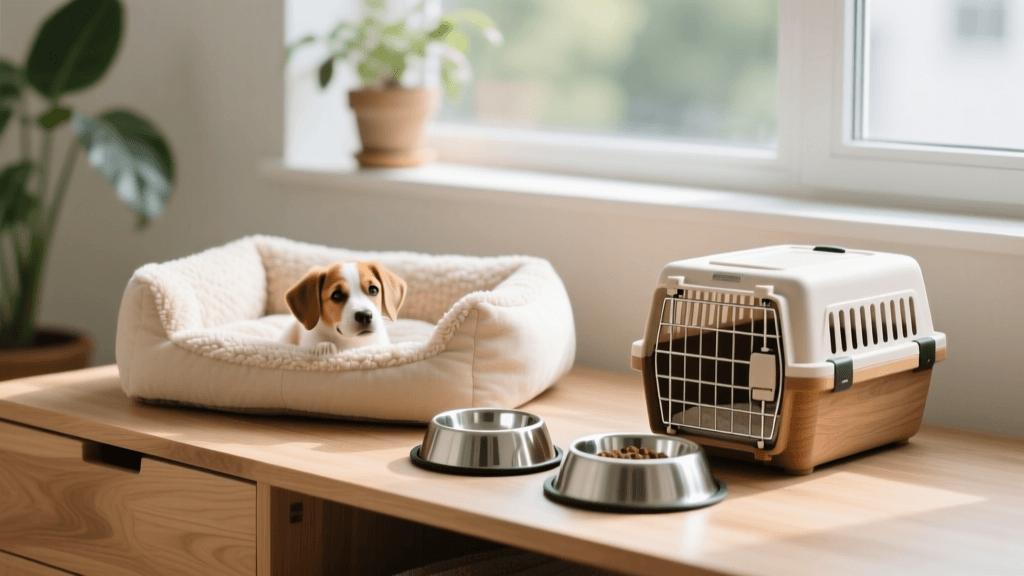
Mental enrichment is most effective when paired with a safe environment. The Humane Society of the United States strongly recommends setting up a dedicated decompression zone or "safe room" for newly adopted dogs. This should be a quiet, low-traffic area of your home equipped with a crate, a comfortable bed, and their puzzle toys.
When you introduce a new puzzle toy, do not just hand it to the dog in the middle of a chaotic living room. Bring them into their decompression zone, offer the puzzle, and sit quietly nearby. This teaches the dog that their safe zone is a place where good things happen and where they can engage in focused, rewarding activities without being startled by children, other pets, or household noises.
Crucial Safety and Hygiene Rules
While puzzle toys are incredibly beneficial, they must be used responsibly, especially during the vulnerable first week. The American Veterinary Medical Association advises owners to always prioritize safety and hygiene when introducing new items to a dog's routine.
- Always Supervise: Never leave a new dog alone with a puzzle toy until you are 100% certain they will not chew and ingest the plastic, rubber, or fabric components.
- Size Appropriately: Ensure that toys like the KONG or Toppl are sized correctly for your dog's breed and jaw strength. A toy that is too small poses a severe choking hazard.
- Account for Calories: The treats and kibble used in puzzle games must be deducted from your dog's daily caloric intake to prevent rapid weight gain. Use their regular meals for foraging games whenever possible.
- Sanitize Daily: Saliva and food residue can harbor dangerous bacteria like Salmonella or E. coli. Wash silicone and rubber toys in the dishwasher or with hot, soapy water after every single use.
Conclusion
The first week with a new dog sets the foundation for your entire relationship. By prioritizing mental enrichment and implementing a structured puzzle toy rotation, you are not just keeping your dog busy; you are actively reducing their stress, building their confidence, and protecting their physical health. Embrace the power of canine brain games in 2026, and watch your new best friend thrive in their forever home.
jonas-cole
All our authors care for dogs every day — read more of their work on the authors page.