Best Puppy Starter Kits And First-Day Essentials Guide
Discover the best puppy starter kits and first-day essentials. Our buyer's guide covers crates, bowls, and beds to help new dog owners prepare.
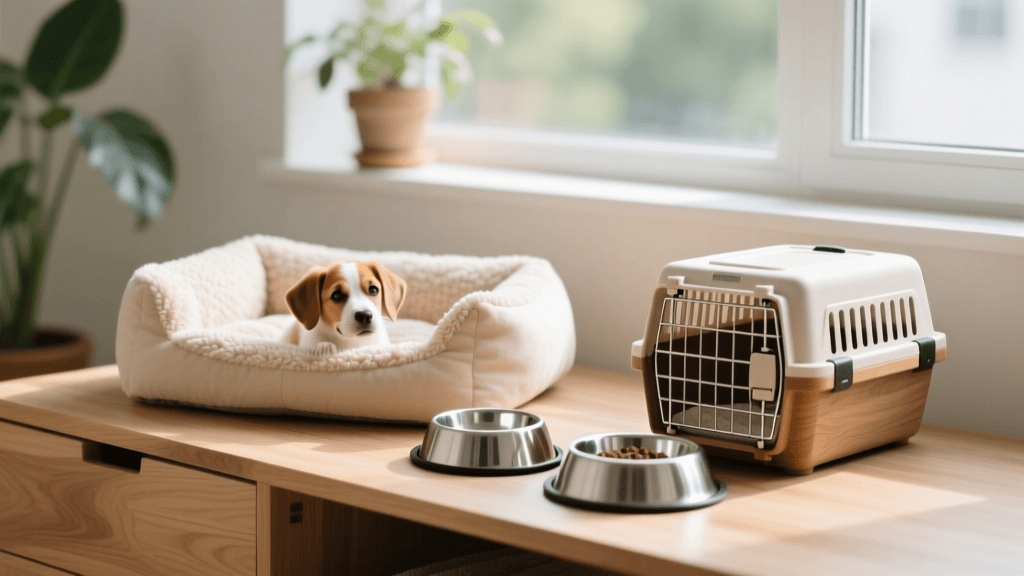
Bringing a new dog home is one of life’s most rewarding experiences, but stepping into a pet supply store or browsing online can quickly become overwhelming. According to the American Kennel Club (AKC), new owners often overspend on unnecessary gadgets while missing critical foundational items. This comprehensive buyer’s guide cuts through the marketing noise to review the exact puppy starter kits and first-day essentials you need. We will evaluate specific products, materials, and measurements to ensure your new companion transitions smoothly into their forever home.
The Confinement Setup: Choosing the Right Puppy Crate
A crate is not just a bed; it is a vital tool for house training, safety, and providing a den-like sanctuary. When selecting a crate, you must consider your puppy’s projected adult size and purchase a crate with an adjustable divider panel. This allows you to expand the space as they grow, preventing them from soiling one end and sleeping in the other.
Wire Crates vs. Plastic Kennels vs. Soft-Sided Carriers
Wire crates, such as the highly rated MidWest Homes for Pets Ultima Pro, offer excellent ventilation and visibility. They are ideal for indoor use and fold flat for storage. For a medium-sized breed like a Beagle or Cocker Spaniel, a 30-inch to 36-inch wire crate is typically recommended. Plastic kennels, like the Petmate Sky Kennel, provide a more enclosed, den-like feel and are required for airline travel. However, they offer less airflow and are harder to clean. Soft-sided carriers are strictly for temporary transport or fully house-trained toy breeds; a teething puppy will destroy mesh panels in minutes.
| Crate Type | Best Use Case | Durability | Average Cost (Medium) |
|---|---|---|---|
| Heavy-Duty Wire | Indoor training, home base | High | $60 - $90 |
| Plastic Travel Kennel | Airline travel, den training | Medium-High | $50 - $80 |
| Soft-Sided Mesh | Car rides, vet visits | Low | $30 - $50 |
| Furniture-Style Wood | Living room aesthetics | Medium | $150 - $300 |
Nutrition and Hydration Stations: Bowls That Last
It is tempting to buy cheap plastic bowls, but veterinary professionals strongly advise against them. Plastic develops micro-scratches that harbor bacteria, which can lead to canine acne and skin infections. Instead, invest in high-quality stainless steel or ceramic options.
The Yeti Boomer Dog Bowl is a premium stainless steel choice that is rust-resistant, dishwasher safe, and features a non-slip rubber base. For puppies that inhale their kibble, a slow feeder is an absolute necessity to prevent bloat and regurgitation. The Outward Hound Fun Feeder Slo-Bowl uses maze-like ridges to extend meal times by up to tenfold. When measuring for a bowl stand, ensure the rim sits at your puppy’s chest level to promote proper digestion and neck alignment. Always have at least two sets of bowls so one can be in the dishwasher while the other is in use.
Sleep and Comfort: Beds That Survive the Teething Phase
Puppy teeth are remarkably sharp, and a standard plush bed will not survive the first three months. Avoid expensive orthopedic memory foam beds until your dog is past the destructive chewing phase. Instead, opt for elevated cot-style beds or chew-resistant options.
The Coolaroo Elevated Pet Bed is an excellent starter choice. Its powder-coated steel frame and breathable high-density polyethylene fabric are difficult for puppies to grip and tear. Furthermore, the elevated design keeps your puppy cool in the summer and insulated from cold floors in the winter. If you prefer a traditional bed, look for products featuring Kevlar linings or heavy-duty ballistic nylon covers, such as those offered by Chew Proof Beds. Always ensure the cover is machine washable, as accidents are inevitable during the house-training process.
Cleanup and Safety Essentials: Puppy-Proofing Your Home
The ASPCA emphasizes that preparing your home involves more than just buying toys; it requires rigorous puppy-proofing and having the right cleaning arsenal on hand. Standard household cleaners contain ammonia, which smells like urine to a dog and can actually encourage them to re-soil the same spot.
You must stock up on enzymatic cleaners. Nature’s Miracle Advanced Stain and Odor Eliminator uses bio-enzymatic bacteria to break down organic proteins in urine, feces, and vomit, completely neutralizing the scent rather than masking it. Buy the gallon-sized jug; you will use it. Additionally, invest in a UV blacklight flashlight to locate hidden, dried accidents in carpeted areas.
For physical boundaries, hardware-mounted baby gates are vastly superior to pressure-mounted gates, which energetic puppies can easily dislodge. The Carlson Pet Products Design Studio Walk-Through Gate features a small pet door, allowing a kitten or tiny puppy to pass through while keeping larger dogs contained.
Teething Relief and Appropriate Chew Toys
Puppies explore the world with their mouths, and providing appropriate chew toys is essential to saving your baseboards and furniture. The Kong Classic Puppy Teething Toy, made from a softer, natural red rubber, is an industry staple. Stuff it with puppy-safe peanut butter or plain yogurt and freeze it overnight. The cold rubber soothes inflamed gums during peak teething weeks (typically between 12 and 16 weeks of age), while the unpredictable bounce keeps their minds engaged and prevents destructive boredom.
Collars, Harnesses, and Leashes for Early Training
While a flat collar is necessary for holding ID and rabies tags, you should never attach a leash to a puppy’s neck collar for walking. Puppies have fragile tracheas, and pulling can cause severe injury. The VCA Animal Hospitals recommend using a front-clip or dual-clip harness for early leash training.
The Ruffwear Front Range Dog Harness is a top-tier buyer’s choice. It features four points of adjustment for a custom fit, padded chest and belly straps, and both front and back leash attachment points. The front clip gently redirects pulling puppies back toward you, making loose-leash training significantly easier. Pair this with a standard 6-foot nylon or leather leash. Avoid retractable leashes entirely during the puppy phase, as they teach dogs to pull to get more slack and offer zero control in emergency situations. Do not forget to order a custom-engraved stainless steel ID tag immediately. Even if your puppy is microchipped, a visible tag with your phone number is the fastest way to be reunited if they slip out the door.
Budgeting for Your First-Day Essentials
Setting a realistic budget prevents buyer’s remorse and ensures you do not skimp on safety-critical items. Here is a realistic cost breakdown for a high-quality, durable puppy starter kit:
- Adjustable Wire Crate with Divider: $75
- Stainless Steel Bowls (Set of 2): $40
- Slow Feeder Insert: $15
- Elevated Cot Bed: $45
- Enzymatic Cleaner (Gallon): $35
- Hardware-Mounted Baby Gate: $60
- Adjustable No-Pull Harness: $40
- 6-Foot Leather or Biothane Leash: $30
Total Estimated Investment: $340
While discount stores may offer kits for under $100, those products typically need replacing within weeks due to poor durability, ultimately costing you more money and frustration.
Final Thoughts on Preparing for Your Puppy
Investing in the right puppy starter kits and first-day essentials sets the foundation for a well-adjusted, safe, and happy dog. By prioritizing durable materials, proper sizing, and training-friendly designs, you equip yourself to handle the chaotic but beautiful reality of raising a puppy. Prepare your home, set up your crate, and get ready to welcome your new best friend with confidence.
marcus-aldridge
All our authors care for dogs every day — read more of their work on the authors page.