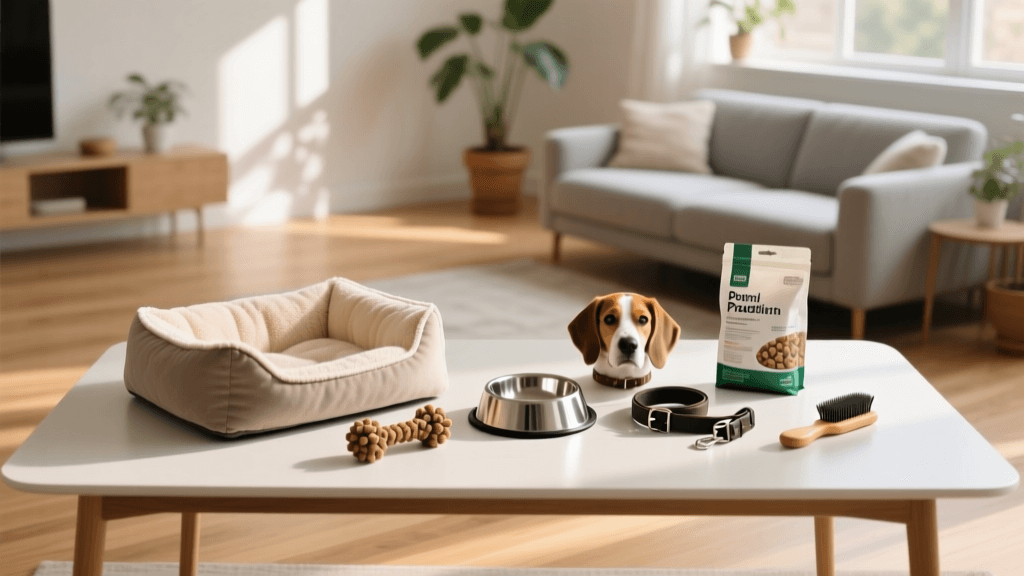
Top 7 First-Week Mistakes New Dog Owners Must Avoid
Discover the top 7 first-week mistakes new dog owners make. Learn how to avoid overwhelming your pet and set up a successful decompression period.
The Honeymoon Phase vs. The 3-3-3 Rule
Bringing a new dog home is a milestone filled with joy, tail wags, and endless photo sessions. However, the transition from a shelter, breeder, or foster home to your living room is profoundly stressful for a canine. Many well-intentioned pet parents inadvertently make critical errors during the first seven days, leading to behavioral issues, anxiety, and a fractured bond. Animal behaviorists frequently reference the "3-3-3 Rule" for rescue dogs and puppies: three days to decompress, three weeks to learn your routine, and three months to truly feel at home. Ignoring this biological timeline is the root of most early ownership regrets. To ensure a seamless transition and set the foundation for a lifetime of companionship, you must navigate the initial days with patience and strategy. Here are the top seven first-week mistakes new dog owners make, complete with actionable solutions to help your new best friend thrive.
Mistake 1: Hosting a "Welcome Home" Party
It is incredibly tempting to invite friends, family, and neighbors over to meet the newest addition to your household. However, a dog's cortisol (stress hormone) levels can remain elevated for up to two weeks after a major environmental change. Forcing your new dog to interact with a revolving door of strangers is a recipe for fear-based reactivity and overstimulation.
Actionable Advice: Implement a strict "no visitors" policy for the first 14 days. Allow your dog to map the house, learn the sounds of your appliances, and bond exclusively with immediate household members. If you must have guests, keep the dog in their safe zone. To help lower environmental anxiety, consider using an Adaptil Calm-On-The-Go collar, which releases synthetic dog-appeasing pheromones to signal safety and comfort during the critical decompression phase.
Mistake 2: Failing to Create a Decompression Zone
Many owners assume their new dog will naturally figure out where to sleep or will want to roam the entire house immediately. Giving a dog free rein of a multi-room house on day one is overwhelming and often results in indoor accidents or destructive chewing.
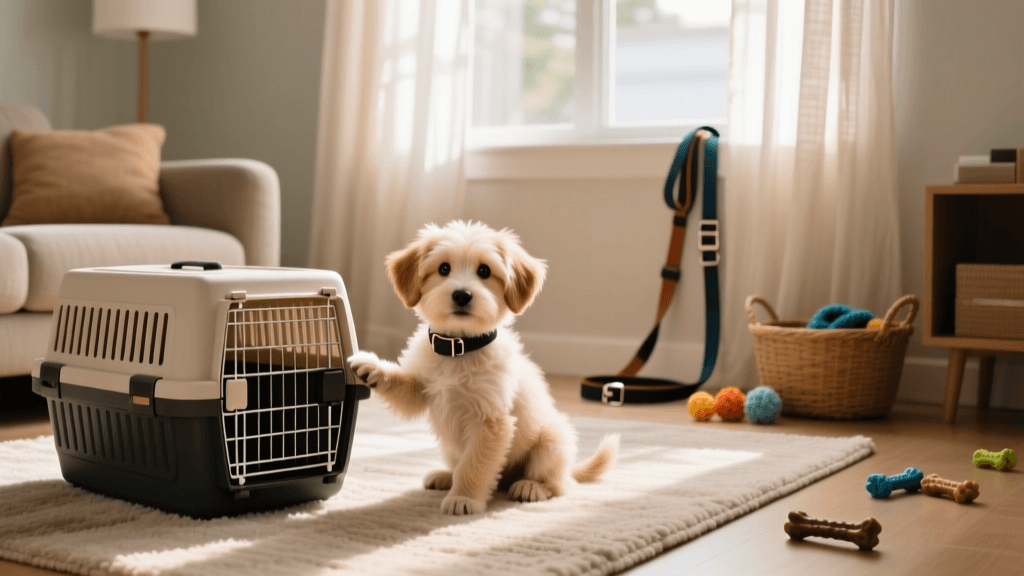
Actionable Advice: Set up a dedicated "safe zone" before the dog arrives. This should be a quiet, low-traffic area like a spare bedroom or a corner of the living room. Invest in a 36-inch or 42-inch MidWest Homes for Pets wire crate, depending on the dog's adult size, and cover the top and sides with a breathable blanket to create a den-like atmosphere. For anxious rescues or young puppies, place a Snuggle Puppy (a plush toy with a simulated heartbeat and heat pack) inside the crate to mimic the feeling of littermates. Keep a 4-foot tether nearby to safely secure them to a heavy piece of furniture when you are in the same room but cannot actively supervise them.
Mistake 3: Underestimating First-Year Financial Costs
Budgeting only for premium kibble and a few squeaky toys is a massive financial blind spot. The first year of dog ownership is invariably the most expensive due to initial veterinary care, containment gear, and unexpected behavioral or medical needs. Failing to prepare financially can lead to delayed medical care or the heartbreaking decision to rehome the dog.
Actionable Advice: Review the ASPCA's official pet care cost breakdown to understand the true financial commitment. Establish an emergency fund of at least $500 before bringing the dog home. Below is a comparison of what new owners typically budget versus the actual average costs incurred during the first year.
| Expense Category | New Owner Budget (Est.) | Actual Average Cost |
|---|---|---|
| Initial Veterinary & Preventatives | $75 | $250 - $400 |
| Crates, Gates & Containment | $40 | $120 - $180 |
| Enrichment & Chew Toys | $20 | $80 - $150 |
| Emergency Fund Buffer | $0 | $500+ |
Routine and initial medical expenses alone can easily surpass $400 in the first few weeks, not including spay/neuter procedures or dental work that may be required shortly after adoption.
Mistake 4: Inconsistent House Rules from Day One
"Just for tonight, let's let him sleep on the bed." "It's okay if she jumps on me, she's just so happy!" Inconsistency is the enemy of canine learning. Dogs do not understand context or exceptions; they understand patterns. If a behavior is rewarded on day one but punished on day thirty, the dog will experience confusion and frustration, often leading to anxiety.
Actionable Advice: Hold a family meeting before the dog arrives to establish uniform rules. Decide on furniture privileges, feeding schedules, and potty break routines. If the dog is not allowed on the couch, do not allow it on day one, even if they look sad. Consistency provides psychological safety because the dog learns exactly what is expected of them in their new environment.
Mistake 5: Forcing Resident Pet Introductions
Dropping a new dog into the living room with your resident dog and hoping they "work it out" is incredibly dangerous. This forced proximity can trigger territorial aggression, resource guarding, and long-term behavioral friction.
Actionable Advice: Follow the protocols outlined in The Humane Society's guide on pet introductions. Start with scent swapping: rub a towel on the new dog and let the resident dog sniff it, rewarding calm behavior. Next, conduct parallel walks on neutral territory (like a quiet park or sidewalk) using 6-foot leather or biothane leashes. Keep the dogs on opposite sides of the street, gradually decreasing the distance over several days as long as both dogs remain relaxed and responsive to treats. Never leave them unsupervised together for at least the first month.
Mistake 6: Delaying the Microchip and Vet Check
Many adopters assume the shelter or breeder has handled all medical necessities, leading them to wait weeks before visiting a veterinarian. However, microchips are only useful if they are registered to the current owner, and shelter dogs often carry subclinical infections like kennel cough or parasites that flare up under stress.
Actionable Advice: Within 48 hours of adoption, take the dog to a local vet or pet supply store to scan the microchip and verify the registry number. Immediately log into the microchip registry (such as HomeAgain or Petlink) and update the contact information to your phone number and address. Furthermore, schedule a comprehensive wellness exam within 72 hours of bringing the dog home to establish a baseline for health, discuss flea/tick/heartworm preventatives, and create a vaccination schedule.
Mistake 7: Starting Intensive Obedience Training on Day One
While it is important to establish boundaries, drilling commands like "sit," "stay," and "heel" during the first week is counterproductive. Your dog is in survival mode, trying to decipher if they are safe. High-pressure training can damage trust and cause the dog to shut down.
Actionable Advice: Focus entirely on bond-building, name recognition, and "capturing calmness" during the first seven days. As recommended by experts in the Best Friends Animal Society's adjustment guide, let the dog observe their new world without demands. Use high-value, low-calorie treats like Zuke's Mini Naturals to reward the dog simply for looking at you, checking in voluntarily, or settling on their mat. Save formal obedience training for week two or three, once the dog has visibly relaxed and begun to seek out your attention.
Conclusion
The first week with a new dog is not about achieving perfect obedience or showing off your new companion to the world; it is about building a foundation of trust, safety, and predictability. By avoiding these seven common mistakes, you honor your dog's biological need to decompress and adapt at their own pace. Remember the 3-3-3 rule, manage your environment, and prioritize your dog's emotional well-being over immediate gratification. The patience you invest during these crucial first seven days will pay dividends for the next decade, transforming a stressed shelter dog or nervous puppy into a confident, deeply bonded family member.
hannah-wickes
All our authors care for dogs every day — read more of their work on the authors page.