The First-Week Crate and Potty Training Guide for New Dogs
Master your new dog's first week with this step-by-step crate and potty training guide. Includes schedules, gear costs, and expert tips for success.
Welcome Home: Setting the Stage for Training Success
Bringing a new dog or puppy into your home is an exhilarating experience, but the first seven days are critical for establishing lifelong habits. According to the American Kennel Club (AKC), consistency during the first week is the single most important factor in successful housebreaking and crate training. This comprehensive, step-by-step guide will walk you through the exact protocols, timings, and gear you need to set your new canine companion up for success from the moment they walk through your door.
Step 1: Selecting and Prepping the Crate
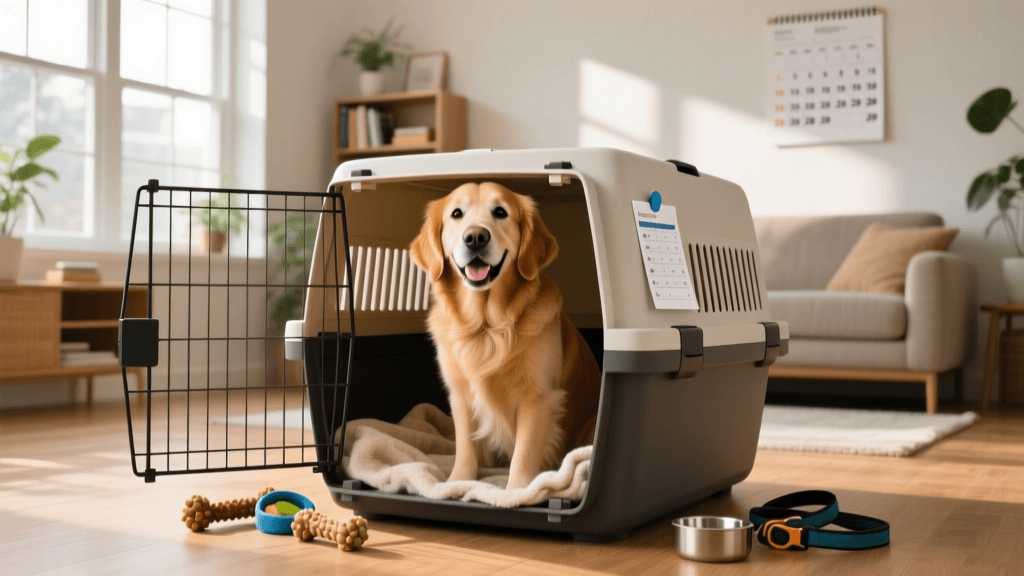
The crate is not a cage; it is a den and a sanctuary. For a growing puppy, you must purchase a crate that will fit their adult size but use a divider panel to restrict the space. Dogs instinctively avoid soiling their sleeping area, but if the crate is too large, they will designate one corner as a bathroom and the other for sleeping. The ASPCA recommends that your dog should be able to stand up without crouching, turn around in a full circle, and lie down stretched out. For most medium-sized breeds like Labrador Retrievers or Border Collies, a 42-inch wire crate, such as the MidWest Homes for Pets iCrate (retailing between $60 and $85), is ideal. Line the crate with a washable fleece pad rather than a plush bed, as puppies tend to chew and ingest plush stuffing, which can cause dangerous intestinal blockages. Place the crate in a high-traffic family area, like the living room, so your dog feels included in the pack's daily activities.
Step 2: The 7-Day Crate Training Progression
Day 1 and 2: The Open-Door Policy
Leave the crate door open and toss high-value treats, such as freeze-dried beef liver or small pieces of boiled chicken breast, inside. Feed all meals inside the crate with the door open to build a strong positive association. Provide a Kong Classic toy stuffed with peanut butter and frozen for twenty minutes to keep them occupied.
Day 3 and 4: Closing the Door
Once your dog willingly enters the crate for treats, close the door for short intervals while you sit nearby. Start with three minutes, then five, then ten. If they whine, do not open the door immediately, as this rewards the vocalization. Wait for a brief moment of silence before releasing them.
Day 5 to 7: Leaving the Room and Overnight
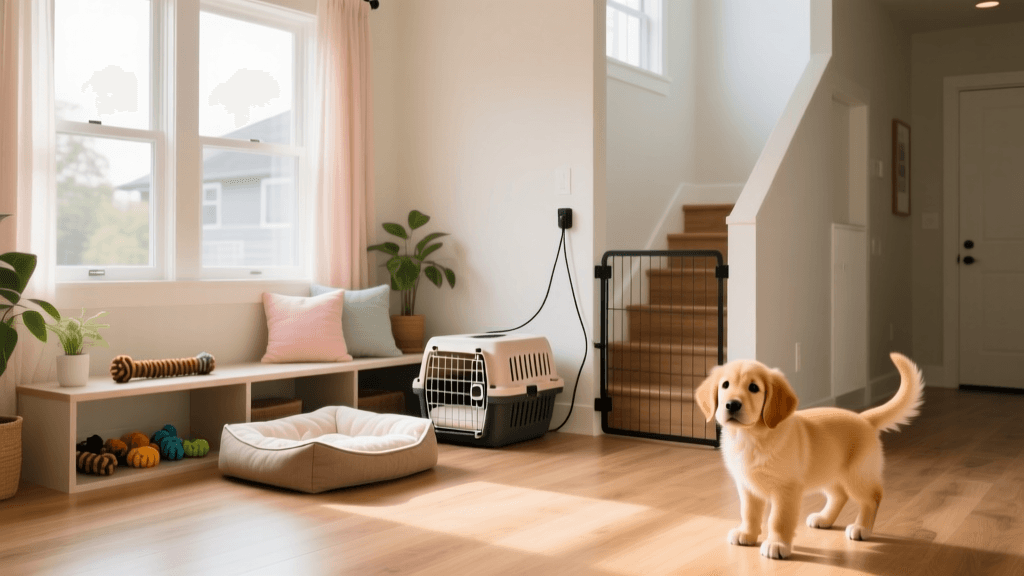
Begin leaving the room for ten to twenty minutes while the dog is crated. Gradually extend this time. At night, place the crate in your bedroom near your bed. Puppies often wake up needing to potty, and being close to you helps you hear their subtle whimpers before they escalate into full-blown barking.
Step 3: Establishing a Foolproof Potty Training Schedule
Potty training requires proactive management rather than reactive scolding. You must take your dog outside before they have the opportunity to make a mistake. The general rule of thumb for puppies is the 'month plus one' rule: a puppy can hold their bladder for roughly one hour per month of age, plus one. Therefore, a two-month-old puppy needs a potty break every three hours, maximum. However, during active play or immediately after eating and drinking, they will need to go out much sooner.
Always attach a leash and walk your dog to the exact same spot in your yard. Use a consistent verbal cue like 'Go Potty' and reward them immediately with a treat and enthusiastic praise the second they finish. If an accident happens indoors, never rub their nose in it or yell. According to the Humane Society of the United States, punishment only teaches the dog to hide from you when they need to eliminate. Instead, interrupt them with a neutral 'Oops!' and immediately carry them outside to finish. Clean indoor accidents thoroughly with a bio-enzymatic cleaner like Nature's Miracle Advanced Stain and Odor Eliminator (approximately $12 for a 32oz bottle). Standard household cleaners contain ammonia, which smells like urine to dogs and encourages them to re-soil the same spot. Enzymatic cleaners break down the uric acid crystals entirely.
Potty Break Frequency Guide by Age
| Dog Age | Maximum Daytime Hold Time | Overnight Breaks Needed |
|---|---|---|
| 8 Weeks | 2 Hours | 2 to 3 Breaks |
| 12 Weeks | 3 to 4 Hours | 1 to 2 Breaks |
| 16 Weeks | 4 to 5 Hours | 0 to 1 Break |
| 6+ Months | 6 to 8 Hours | 0 Breaks |
Essential First-Week Training Gear and Costs
| Item | Purpose | Estimated Cost |
|---|---|---|
| MidWest iCrate (42-inch) | Safe den and housebreaking tool | $60 - $85 |
| Nature's Miracle Enzymatic Cleaner | Destroys uric acid crystals | $12 - $15 |
| Kong Classic Toy | Mental enrichment and chewing | $15 - $20 |
| Snuggle Puppy with Heartbeat | Soothes first-night anxiety | $35 - $45 |
| Freeze-Dried Liver Treats | High-value positive reinforcement | $10 - $18 |
Managing the First Night and Separation Anxiety
The first night is notoriously difficult. Your new dog has just been separated from their littermates or previous environment. To ease the transition, place a Snuggle Puppy (a plush toy with a simulated heartbeat and heat pack, costing around $40) in the crate. The rhythmic heartbeat mimics the feeling of sleeping next to a mother or sibling, significantly reducing anxiety and whining. Additionally, cover the top and sides of the wire crate with a breathable blanket to create a darker, more den-like atmosphere, which helps signal to the dog's brain that it is time to sleep. Keep a pair of slip-on shoes and a leash right next to your bed so you can quickly and quietly take them out for their 2:00 AM and 4:00 AM potty breaks without fully waking up or turning on bright overhead lights.
Troubleshooting Common First-Week Hurdles
Whining in the Crate
If you are certain your dog does not need to potty and is simply whining for attention, you must practice 'extinction.' This means ignoring the behavior completely. Yielding to the whining even once teaches the dog that persistence pays off. Provide a white noise machine or a fan near the crate to drown out external noises and muffle their vocalizations.
Biting the Crate Bars
Chewing on metal wire can break teeth and damage gums. If your dog attacks the crate bars, apply a bitter apple spray to the metal. Alternatively, ensure they are getting adequate physical exercise and mental enrichment outside the crate. A tired dog is a quiet dog. Aim for at least fifteen minutes of structured sniff-walks or training sessions before crating them for extended periods.
Final Thoughts
The first week of getting a dog sets the foundation for the next decade of your relationship. By strictly adhering to a potty schedule, utilizing positive reinforcement for crate training, and investing in the right enzymatic cleaners and gear, you will bypass the most common frustrations of new dog ownership. Remember that patience and consistency are your greatest tools. Celebrate the small victories, keep your training sessions short and joyful, and you will soon have a confident, well-adjusted canine companion.
priya-sutaria
All our authors care for dogs every day — read more of their work on the authors page.