Puppy Diet Transition and First Vet Prep for New Owners
Learn how to safely transition your new puppy's diet and prepare for their first vet visit with this essential health and nutrition checklist.
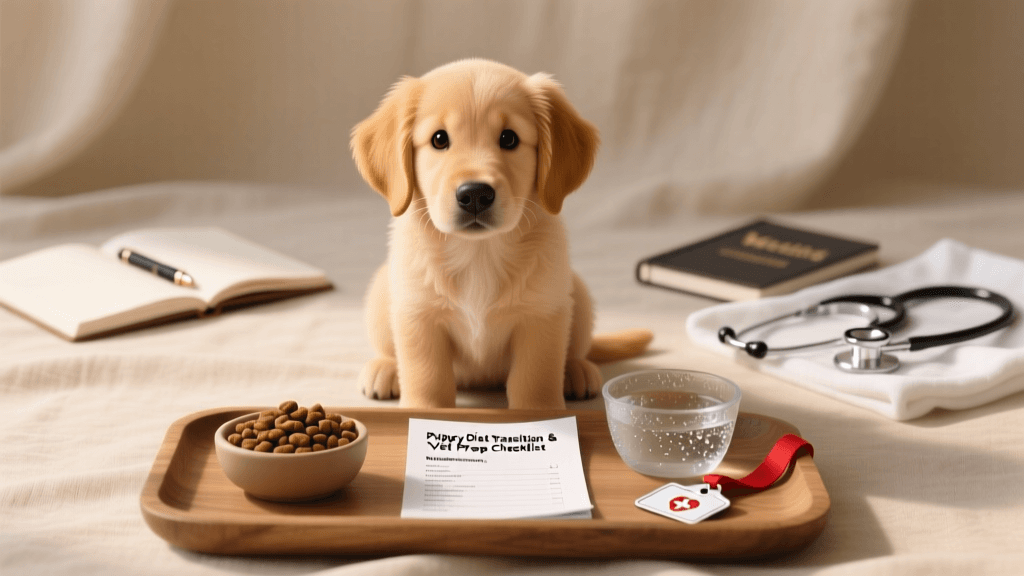
The Critical Role of Early Nutrition and Health Prep
Bringing a new puppy home is a monumental milestone filled with excitement, cuddles, and new beginnings. However, from a veterinary and nutritional perspective, the first 72 hours are also a period of immense physiological stress for your new dog. Relocation stress, separation from littermates, and sudden environmental changes can temporarily suppress a puppy's developing immune system and disrupt their delicate gastrointestinal (GI) tract. As a responsible new owner, your immediate priority within the 'Getting a Dog' phase should be establishing a seamless nutritional transition and preparing for a comprehensive veterinary baseline.
Failing to plan for your puppy's dietary needs and first medical checkup can lead to severe stress colitis, life-threatening dehydration from diarrhea, and missed windows for crucial early-life vaccinations. This deep dive into canine health and nutrition will equip you with actionable protocols, specific product recommendations, and exact timelines to ensure your puppy thrives from day one.
Understanding Puppy Nutritional Requirements
Before you even bring your puppy home, you must secure the correct food. Puppies require significantly higher levels of protein, fat, calcium, and phosphorus than adult dogs to support rapid skeletal and muscular development. However, not all puppy foods are created equal. The nutritional needs of a Great Dane puppy differ vastly from those of a Chihuahua puppy.
Large Breed vs. Small Breed Formulations
If you are adopting a large or giant breed dog (expected adult weight over 50 pounds), it is non-negotiable to feed a diet specifically labeled for 'Large Breed Puppies.' These diets, such as Purina Pro Plan Large Breed Puppy or Hill's Science Diet Large Breed Puppy, are formulated with strictly controlled calcium and phosphorus ratios. Excessive calcium intake in large breeds can cause rapid, abnormal bone growth, leading to debilitating orthopedic conditions like hypertrophic osteodystrophy (HOD) or osteochondritis dissecans (OCD).
Conversely, small breed puppies (expected adult weight under 20 pounds) have incredibly high metabolic rates and are highly susceptible to hypoglycemia (dangerously low blood sugar). They require calorie-dense kibble that is physically smaller to accommodate their tiny jaws. Look for specific small-breed formulas like Royal Canin Size Health Nutrition Small Puppy, which provides the necessary energy density in a manageable kibble size.
The 7-to-10 Day Diet Transition Protocol
The most common mistake new owners make is immediately switching a puppy to their preferred brand of dog food on the first night. A sudden change in dietary proteins, carbohydrates, and fiber sources will almost certainly trigger acute gastroenteritis, resulting in severe diarrhea. To avoid this, you must obtain a small bag or sample of the exact food the breeder or shelter was feeding and execute a gradual transition.
Follow this strict 7-day transition schedule, measuring all meals precisely with a standard 8 oz dry measuring cup to prevent overfeeding, which can cause loose stools and rapid growth spurts.
| Days | New Food Percentage | Old Food Percentage | Actionable Tips |
|---|---|---|---|
| Days 1 & 2 | 25% | 75% | Mix thoroughly. Add 1 tbsp of warm water (105°F) to soften kibble and release aromas. |
| Days 3 & 4 | 50% | 50% | Monitor stool consistency. If stools become soft, pause the transition and hold this ratio for an extra 2 days. |
| Days 5 & 6 | 75% | 25% | Ensure the puppy is drinking adequate water, as higher protein diets require more hydration. |
| Day 7+ | 100% | 0% | Full transition. Discard any remaining old food to prevent mold growth in your storage bins. |
Supporting the Gut Microbiome with Probiotics
Relocation stress directly impacts the gut-brain axis, often leading to a condition known as stress-induced dysbiosis, where harmful bacteria outcompete beneficial flora in the GI tract. To proactively combat this, integrate a high-quality canine probiotic into your puppy's daily meals starting on Day 1.
Veterinarians frequently recommend Purina Pro Plan Veterinary Supplements FortiFlora. This specific supplement contains the probiotic strain Enterococcus faecium SF68, which is clinically proven to promote intestinal health and balance the microflora in dogs. The dosage is simple: tear open one single-serve packet and sprinkle the powder over your puppy's morning meal. Alternatively, if you prefer a treat-based option, Zesty Paws Probiotic Bites contain 6 billion CFUs per soft chew, which can be given as a mid-day reward. Maintaining gut health during the first two weeks is your best defense against the dreaded 'new puppy diarrhea.'
Preparing for the First Veterinary Visit
Your puppy's first veterinary visit should be scheduled within 48 to 72 hours of bringing them home. This is not merely a wellness check; it is a critical infectious disease screening and baseline health assessment. According to the ASPCA's Puppy Care guidelines, early veterinary intervention is vital for establishing a proper deworming and vaccination schedule tailored to your local environment.
The Fecal Flotation Test
Before your appointment, you will need to collect a fresh stool sample. Intestinal parasites like Giardia, Coccidia, and roundworms are incredibly common in puppies, even those from pristine breeding environments. Collect approximately one teaspoon of fresh feces, place it in a sealed plastic bag or a sterile veterinary collection cup, and keep it refrigerated until your appointment. Your veterinarian will perform a fecal flotation test to check for microscopic parasite eggs. If Giardia is detected, be prepared to administer a 3-to-5-day course of Panacur C (fenbendazole) or a single dose of Albon, depending on the specific pathogen.
Core Vaccinations and the DA2PP Schedule
Puppies receive maternal antibodies from their mother's colostrum, but these antibodies wane over time, leaving them vulnerable to deadly viruses. The cornerstone of your puppy's medical prep is understanding the DA2PP vaccine, which protects against Distemper, Adenovirus (Hepatitis), Parainfluenza, and Parvovirus. The American Kennel Club (AKC) outlines that puppies should receive their first DA2PP shot between 6 to 8 weeks of age, followed by boosters every 3 to 4 weeks until they are at least 16 weeks old. Never skip these booster windows, as a single lapse can leave your puppy entirely unprotected against Parvovirus, a highly contagious and often fatal gastrointestinal virus.
Hygiene and Food Safety Protocols
Proper nutrition is only half the battle; how you handle and store that nutrition is equally important. Puppies have developing immune systems that are highly susceptible to foodborne pathogens like Salmonella and Listeria. The FDA guidelines on pet food safety strongly advise against leaving dry kibble out in the open air, which can attract pests and cause the fats in the food to go rancid.
Store your puppy's dry food in its original bag inside an airtight, BPA-free plastic or metal bin. The original bag preserves the lot number and expiration date, which is crucial if a manufacturer issues a food recall. Furthermore, wash your puppy's stainless steel or ceramic food and water bowls daily with hot, soapy water. Avoid plastic bowls entirely, as microscopic scratches in the plastic harbor bacteria that can cause canine acne and gastrointestinal infections.
Estimated First-Month Health and Nutrition Budget
Financial preparation is a core component of responsible dog ownership. The first month incurs the highest medical and nutritional setup costs. Use the table below to budget accurately for your puppy's first 30 days.
| Item / Service | Estimated Cost (USD) | Notes & Frequency |
|---|---|---|
| Initial Vet Exam & Fecal Test | $75 - $150 | One-time fee within the first 72 hours. |
| First DA2PP Vaccine Booster | $25 - $45 | Required every 3-4 weeks until 16 weeks of age. |
| Puppy Dewormer (e.g., Panacur C) | $20 - $40 | Depends on puppy's exact weight and parasite load. |
| Premium Puppy Food (15lb bag) | $45 - $80 | Will last 3-5 weeks depending on breed size. |
| Probiotics (30-day supply) | $25 - $35 | Crucial for the first month of transition stress. |
| Stainless Steel Bowls & Airtight Bin | $30 - $50 | One-time purchase for proper food hygiene. |
Red Flags: When to Call the Emergency Vet
While mild stress and a slightly soft stool can be normal during the first few days, certain symptoms indicate a medical emergency that requires immediate intervention. If your puppy exhibits any of the following signs, do not wait for your scheduled transition period to end; contact an emergency veterinary clinic immediately:
- Lethargy and Refusal to Eat: Missing more than two consecutive meals is dangerous for small breed puppies due to the risk of hypoglycemic shock.
- Vomiting Multiple Times: Occasional regurgitation of food eaten too fast is common, but repeated vomiting of bile or liquid indicates a potential blockage or severe infection.
- Bloody or Jelly-Like Diarrhea: Stool that contains bright red blood or looks like raspberry jam is a hallmark symptom of Hemorrhagic Gastroenteritis (HGE) or Parvovirus.
- Pale Gums: Lift your puppy's lip; their gums should be bubblegum pink. Pale, white, or grey gums indicate internal bleeding, severe dehydration, or shock.
'A puppy's health can deteriorate in a matter of hours. When in doubt regarding vomiting, diarrhea, or extreme lethargy, always err on the side of caution and seek immediate veterinary care.' — General Veterinary Consensus on Pediatric Canine Emergencies.
By meticulously planning your puppy's diet transition, supporting their gut microbiome, and executing a thorough first vet visit, you are laying an unbreakable foundation for a long, vibrant, and healthy life together. The effort you invest in these first 30 days will pay dividends in reduced veterinary bills and a thriving companion for years to come.
anouk-beaumont
All our authors care for dogs every day — read more of their work on the authors page.