The First-Time Owner Guide to Puppy Teething Relief
Discover essential puppy teething timelines, safe chew toys, and practical relief tips for first-time owners to save furniture and soothe your pup.
Surviving the 'Land Shark' Phase: An Introduction to Puppy Teething
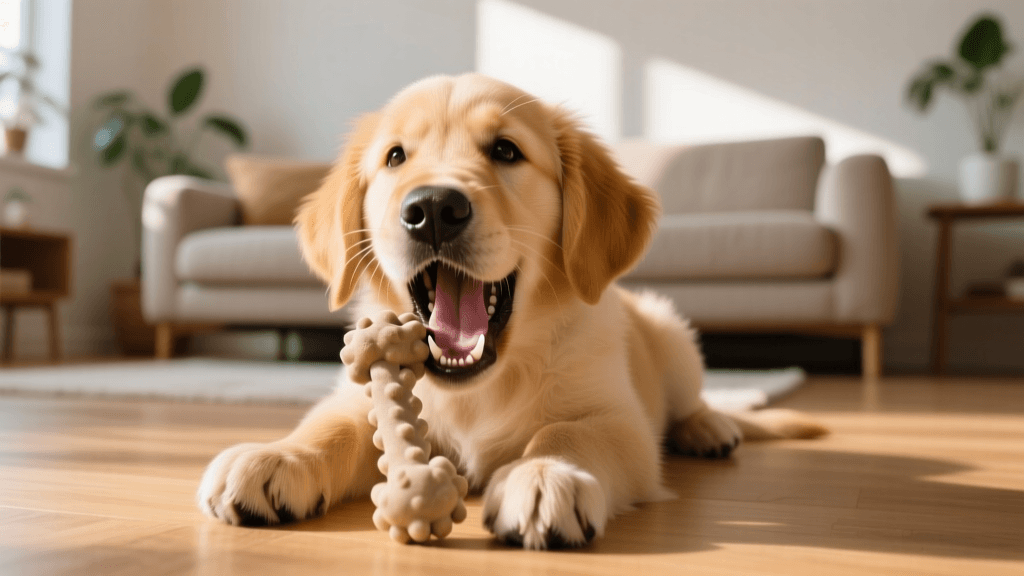
Bringing home a new puppy is a joyful milestone, but first-time owners are often blindsided by the intense teething phase. Between the ages of three and six months, your adorable furball can transform into a ravenous 'land shark,' chewing on baseboards, shoes, and even your hands. Teething is a completely natural developmental milestone, but it requires proactive management to protect your belongings and ensure your puppy's oral health. According to the American Kennel Club (AKC), understanding the biological timeline of your puppy's dental development is the first step toward providing effective relief and establishing lifelong dental hygiene habits. This comprehensive guide will walk you through the exact timelines, budget-friendly product recommendations, and actionable training techniques to survive the teething months with your sanity—and your furniture—intact.
Understanding the Puppy Teething Timeline
Puppies are born without teeth. Their first set of teeth, known as deciduous or 'baby' teeth, begin to erupt at just a few weeks old. By the time they are ready to go to their forever homes at eight weeks, they usually have a full set of 28 sharp baby teeth. However, these teeth are temporary. As the puppy grows, their jaw expands, and the 42 permanent adult teeth begin to develop beneath the gumline. The roots of the baby teeth are resorbed by the body, causing them to loosen and fall out to make way for the larger adult teeth.
| Age Range | Dental Milestone | Common Symptoms & Behaviors |
|---|---|---|
| 2-4 Weeks | Deciduous (baby) teeth begin to erupt | Mild fussiness, nursing difficulties for the mother |
| 5-8 Weeks | All 28 baby teeth are fully present | Increased biting, 'mouthing' littermates and owners |
| 12-16 Weeks | Baby teeth fall out; adult incisors emerge | Bleeding gums, drooling, chewing on hard furniture |
| 4-6 Months | Premolars and molars erupt; canines replace | Intense chewing urges, finding bloody teeth on the floor |
| 6-8 Months | All 42 adult teeth are fully erupted | Decreased destructive chewing, settled adult bite |
The Real Cost of Teething: A First-Time Owner's Budget
First-time owners frequently underestimate the financial impact of the teething phase. While the puppy itself might have come with an adoption or purchase fee, the 'teething survival kit' requires a dedicated budget. Expect to spend between $75 and $150 on specialized chew toys, dental gels, and puppy-proofing supplies during the first six months. Furthermore, failing to invest in proper chew toys can result in hundreds of dollars in property damage—from ruined designer sneakers to chewed baseboards and destroyed electrical cords. Setting aside a $100 'teething contingency fund' when you first bring your puppy home will ensure you always have a safe, appealing alternative ready when your pup's gums start aching.
Best Chew Toys and Soothing Remedies (Product Guide)
Not all chew toys are created equal. During the teething phase, a puppy's gums are incredibly sensitive, yet their urge to chew is overwhelming. You need toys that offer tactile resistance without being so hard that they fracture the developing adult teeth. Avoid hard nylon bones, antlers, or ice cubes, which can cause slab fractures in puppy teeth. Instead, opt for the following veterinarian-recommended options:
- KONG Classic Puppy (Approx. $12 - $15): Made from a softer, pink or blue rubber formula specifically designed for puppy teeth. Pro Tip: Stuff the KONG with plain, xylitol-free Greek yogurt or mashed bananas and freeze it for two hours. The cold rubber provides numbing relief for inflamed gums.
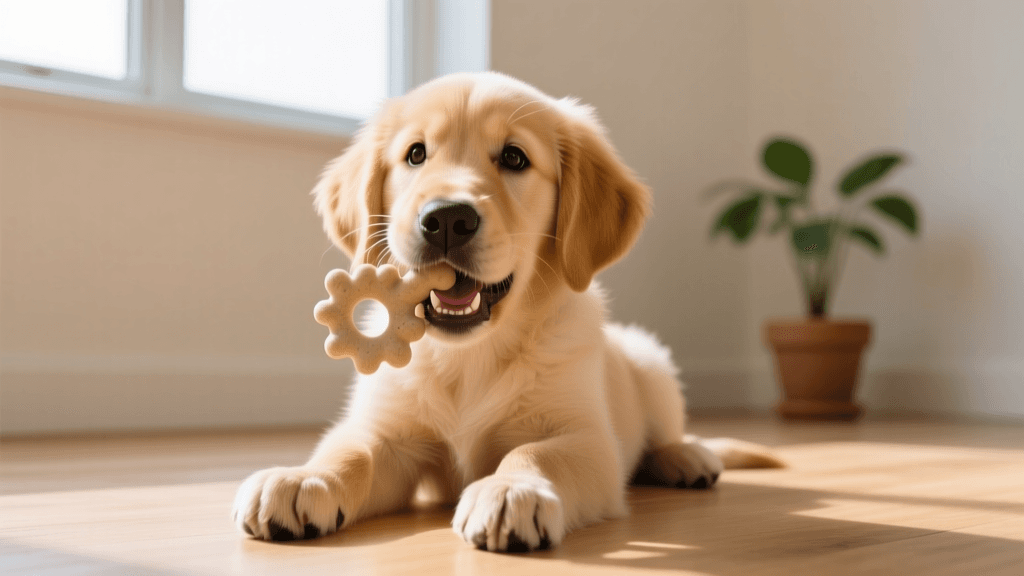
- Nylabone Puppy Chew Keys (Approx. $8 - $10): These feature soft, flexible polymer bristles that massage the gums and help clean teeth without the risk of splintering.
- Frozen Whole Carrots (Approx. $2 per bag): A fantastic, low-calorie, natural remedy. The frozen texture soothes the gums, and the carrot acts as a natural toothbrush. Always supervise your puppy to ensure they do not choke on large chunks.
- Virbac C.E.T. Enzymatic Toothpaste & Finger Brush (Approx. $12): Teething is the perfect time to introduce dental care. Gently massaging the gums with a poultry-flavored enzymatic toothpaste using a silicone finger brush can provide immense relief while building positive associations with toothbrushing.
Bite Inhibition and Redirect Training
A common mistake first-time owners make is punishing a puppy for chewing or biting. Puppies explore the world with their mouths, and during teething, chewing is a biological imperative to relieve pain. Instead of punishment, utilize the 'Redirect and Reward' method. Keep a designated teething toy in every room of your house. When the puppy begins to chew on an inappropriate item (or your skin), calmly interrupt the behavior with a neutral 'Oops!' or 'Ah-ah!', immediately offer the approved frozen KONG, and praise them enthusiastically when they bite the toy.
If your puppy is biting your hands with 'shark teeth,' the VCA Animal Hospitals recommends practicing bite inhibition. When the puppy's teeth make contact with your skin, let out a high-pitched 'Ouch!' and immediately withdraw your attention by standing up and turning away for 15 seconds. This mimics the behavior of littermates and teaches the puppy that human skin is entirely off-limits.
Puppy-Proofing Your Home: A Survival Checklist
Management is just as important as training. Before your puppy's adult teeth begin pushing through their gums, you must puppy-proof your environment to prevent accidental electrocution, intestinal blockages, or toxic ingestions.
- Cord Concealers ($15 - $25): Purchase split-loom tubing or hard plastic cord covers to hide TV and lamp wires. Puppies love the rubbery texture of electrical cords, which poses a fatal shock hazard.
- Grannick's Bitter Apple Spray ($10 - $12): Apply this safe, non-toxic deterrent to baseboards, table legs, and shoes. The extremely bitter taste conditions the puppy to avoid chewing on treated surfaces.
- Baby Gates ($30 - $50): Restrict access to carpeted rooms or areas with heavy furniture where the puppy might get stuck or chew on wooden legs unsupervised.
When to Call the Vet: Red Flags During Teething
While mild bleeding on a chew toy and a temporary decrease in appetite are normal, certain symptoms warrant an immediate veterinary visit.
'Never pull a loose baby tooth out yourself. You risk breaking the root, which can lead to a painful abscess and infection. Furthermore, monitor for retained deciduous teeth, where the adult tooth erupts alongside the baby tooth, requiring professional extraction to prevent severe orthodontic issues.'
— Veterinary Dental Guidelines, VCA Animal Hospitals
Schedule a vet appointment if you notice:
- Retained Teeth ('Double Teeth'): If the baby canine tooth does not fall out after the adult canine has fully emerged, it must be extracted by a vet to prevent crowding and periodontal disease.
- Pus or Foul Odor: While 'puppy breath' is normal, a distinctly rotting smell or visible pus around the gumline indicates a bacterial infection.
- Refusal to Eat for >24 Hours: While a puppy might skip a meal due to sore gums, prolonged fasting can lead to dangerous hypoglycemia, especially in small breeds.
Conclusion: Patience Pays Off
The teething phase is undeniably exhausting for first-time dog owners, but it is a fleeting developmental window. By providing appropriate frozen chew toys, diligently puppy-proofing your home, and practicing consistent redirect training, you will guide your puppy through this uncomfortable milestone safely. Remember, the habits you establish now—especially daily toothbrushing and appropriate chewing boundaries—will result in a well-mannered adult dog with a healthy, pain-free smile for years to come.
robin-maitland
All our authors care for dogs every day — read more of their work on the authors page.