Choosing the Right Puppy Breed for First-Time Owners
Discover the best puppy breeds for first-time owners. Compare temperament, grooming costs, and training needs to find your perfect canine companion today.
Introduction: The Thrill and Responsibility of Puppy Parenthood
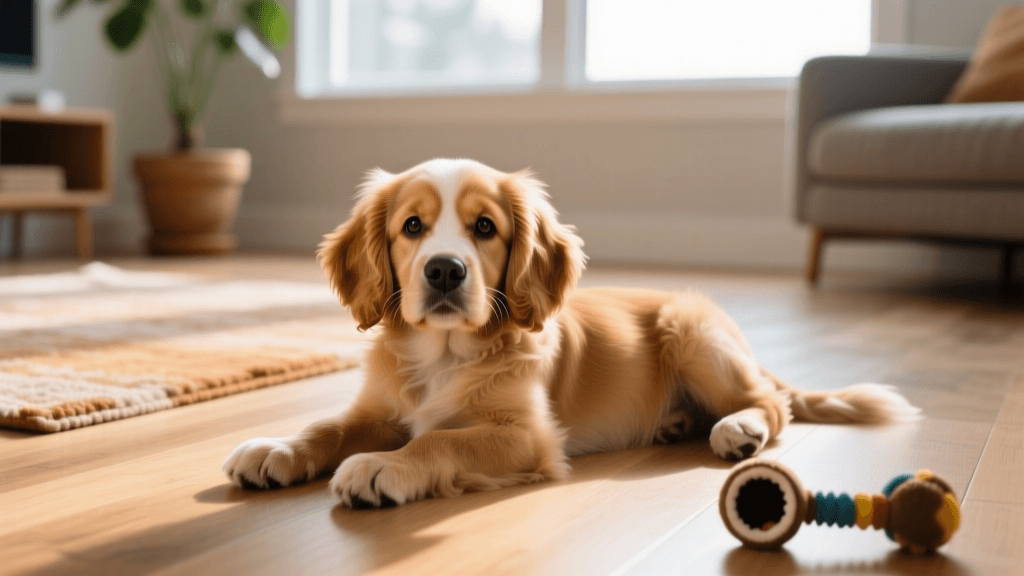
Bringing a puppy into your home is one of the most rewarding experiences a person can have, but it is also a monumental responsibility. The first year of a dog's life is filled with rapid developmental milestones, from the critical socialization window between 3 and 14 weeks to the teething phase that peaks around 4 months of age. For first-time dog owners, navigating these early stages can feel overwhelming. This is precisely why breed selection is the most critical decision you will make before you ever purchase a crate or a bag of kibble.
Not all breeds are created equal, especially when it comes to trainability, energy requirements, and grooming demands. While a high-drive working breed like a Belgian Malinois might be a dream for an experienced handler, it can be a recipe for disaster for a novice owner living in an apartment. On the other hand, breeds known for their eagerness to please, moderate energy levels, and forgiving temperaments are ideal for those learning the ropes of puppy care.
According to the American Kennel Club, matching your daily lifestyle, living situation, and activity level with a breed's inherent traits is the single most important factor in ensuring a lifelong, harmonious bond.
In this comprehensive guide, we will explore the best puppy breeds for first-time owners, break down the financial and temporal costs of puppy care, and provide actionable advice to help you navigate the first 12 months of your new companion's life.
Understanding First-Year Puppy Milestones
Before diving into specific breeds, it is essential to understand the timeline of a puppy's first year. Regardless of the breed you choose, you will encounter the following developmental phases:
- 8 to 12 Weeks (The Fear Period & Socialization): Your puppy is highly impressionable. This is the time to introduce them to new sounds, surfaces, and people. Because their immune system is still developing, carry them in a K9 Sport Sack to expose them to the outside world safely before their final round of vaccinations.
- 3 to 6 Months (Teething & Boundary Testing): Puppy teeth will fall out, and adult teeth will emerge. Provide frozen KONG Classic toys filled with plain yogurt to soothe their gums. This is also when potty training consistency is tested; take your puppy outside every two hours, immediately after meals, and upon waking up.
- 6 to 12 Months (Adolescence): Often called the 'teenage' phase, your puppy may seem to forget their training. Consistency, patience, and advanced mental stimulation are key here.
Top 5 Puppy Breeds for Novice Owners
1. Golden Retriever
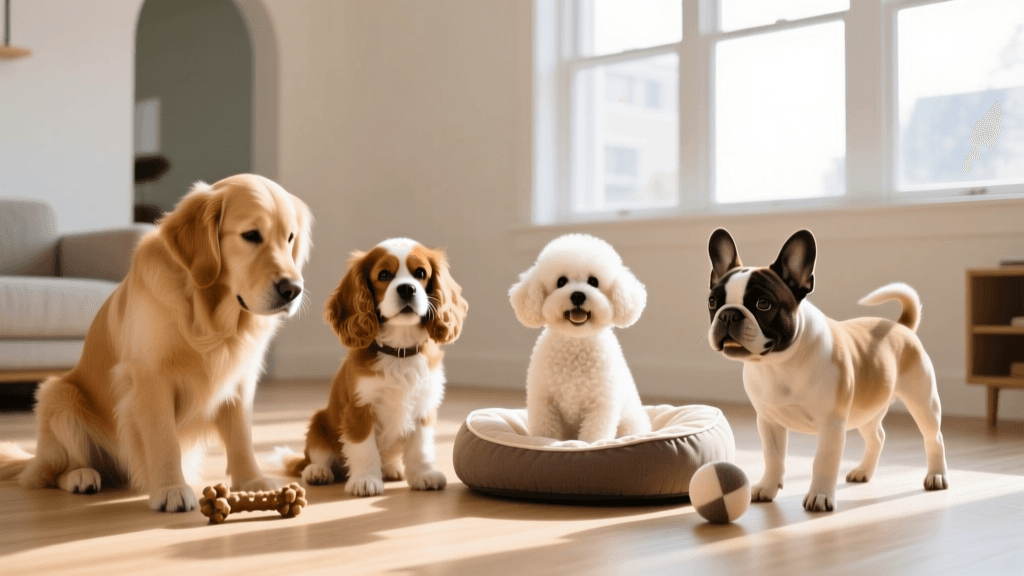
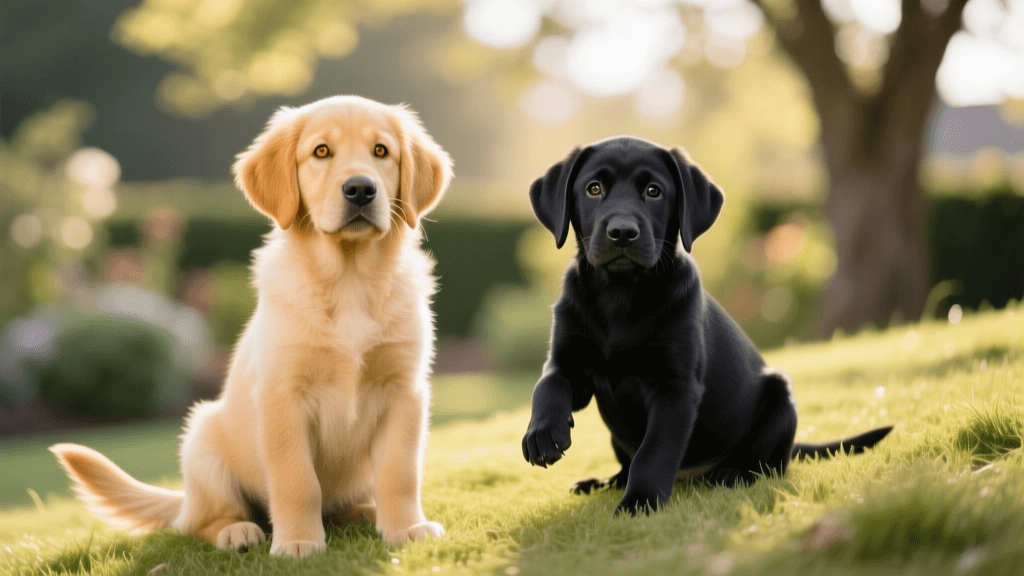
Golden Retrievers are the quintessential family dog, renowned for their gentle mouths, high intelligence, and eagerness to please. They are highly forgiving of the inevitable mistakes a first-time owner will make during training. Because they are a large, active breed, they require at least 60 minutes of daily exercise. Potty training is generally straightforward due to their desire to work with their humans. Actionable Tip: Feed a large-breed specific puppy formula, such as Purina Pro Plan Large Breed Puppy, to ensure controlled growth and protect their developing joints from dysplasia.
2. Cavalier King Charles Spaniel
If you prefer a smaller, more laid-back companion, the Cavalier is an exceptional choice. They adapt beautifully to both apartment living and homes with large yards. Their moderate energy levels mean a daily 30-minute walk and some indoor play are usually sufficient. Actionable Tip: Cavaliers are prone to mitral valve disease. When selecting a breeder, demand to see the Orthopedic Foundation for Animals (OFA) cardiac clearance certificates for both parent dogs.
3. Bichon Frise
For owners concerned about allergies or shedding, the Bichon Frise is a fantastic hypoallergenic option. They are cheerful, highly trainable, and excel in canine sports like agility and rally. However, their beautiful curly coat requires significant maintenance. Actionable Tip: Budget for professional grooming every 4 to 6 weeks, which typically costs between $60 and $90 per session. Between groomer visits, brush them daily with a high-quality slicker brush to prevent painful matting.
4. Standard Poodle
Often underestimated due to their elaborate show cuts, Standard Poodles are incredibly athletic, intelligent, and versatile. They rank among the smartest of all dog breeds, meaning they learn commands rapidly. The flip side of this intelligence is that they require heavy mental stimulation to prevent destructive boredom. Actionable Tip: Invest in puzzle toys like the Outward Hound Nina Ottosson Dog Brick to keep their brilliant minds engaged while you are at work.
5. Papillon
The Papillon is a toy breed that thinks it is a giant. Unlike many small breeds that can be notoriously difficult to potty train, Papillons are highly attentive and quick learners. They are hardy, energetic, and thrive in obedience and agility training. Actionable Tip: Due to their small bladders, a Papillon puppy will need more frequent potty breaks than a larger breed. Set a strict schedule of outdoor trips every 90 minutes during the initial 8-to-12-week housetraining phase.
Comprehensive Breed Comparison Chart
The table below provides a quick-reference comparison of the breeds discussed, helping you weigh the practical realities of ownership.
| Breed | Adult Weight | Energy Level | Grooming Needs | Est. Annual Cost |
|---|---|---|---|---|
| Golden Retriever | 55-75 lbs | High | Moderate (Weekly brushing) | $1,500 - $2,200 |
| Cavalier King Charles | 12-18 lbs | Moderate | Moderate (Weekly brushing) | $1,200 - $1,800 |
| Bichon Frise | 12-18 lbs | Moderate-High | High (Professional clipping) | $1,600 - $2,400 |
| Standard Poodle | 40-70 lbs | High | High (Professional clipping) | $1,500 - $2,300 |
| Papillon | 5-10 lbs | High | Low-Moderate | $900 - $1,400 |
Budgeting for Your First Puppy
One of the most common pitfalls for first-time owners is underestimating the financial commitment of a puppy. The initial purchase or adoption fee is merely the tip of the iceberg. During the first year, you must budget for a series of veterinary visits, including the DHPP and Rabies vaccine series, deworming, and microchipping. Spaying or neutering, typically performed between 6 and 12 months of age depending on the breed and veterinary advice, can cost anywhere from $200 to $600.
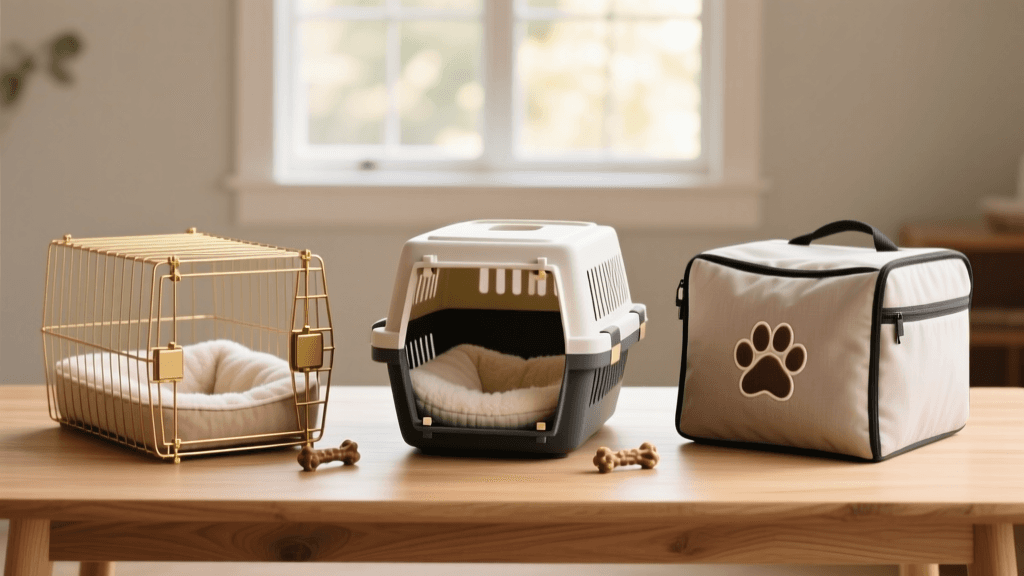
Furthermore, you will need to purchase essential gear before the puppy even arrives. A sturdy wire crate, a washable bed, stainless steel food bowls, a 6-foot leather or biothane leash, and an enzymatic cleaner like Nature's Miracle for potty training accidents are non-negotiable. According to the ASPCA, the average annual cost of dog ownership ranges from $1,500 to over $3,000, depending heavily on the dog's size, health, and grooming requirements. Setting up a dedicated pet emergency fund or enrolling in a reputable pet insurance policy like Trupanion or Healthy Paws during the puppy's first month is highly recommended to mitigate unexpected veterinary bills.
Finding a Responsible Breeder or Rescue
Where you acquire your puppy is just as important as the breed you choose. If you have decided on a specific purebred dog, it is imperative to avoid pet stores and online marketplaces that often source from puppy mills. Instead, seek out a preservation breeder who prioritizes health, temperament, and early neurological stimulation. The Humane Society of the United States advises that a responsible breeder will ask you as many questions as you ask them, allow you to meet the mother dog, and provide a comprehensive health guarantee.
Alternatively, consider adopting a young adult dog or puppy from a breed-specific rescue organization. Rescues often place dogs in foster homes, meaning you can get highly accurate information about the dog's potty training status, temperament around children or cats, and energy levels before making a lifelong commitment.
Conclusion
Selecting the right puppy breed is the foundation of a successful human-canine relationship. By honestly assessing your lifestyle, budget, and time availability, and matching those factors with a breed's inherent traits, you set the stage for a joyful first year. Whether you choose the devoted Golden Retriever, the adaptable Cavalier, or the brilliant Poodle, remember that patience, consistency, and positive reinforcement training are the ultimate keys to raising a well-adjusted adult dog.
priya-sutaria
All our authors care for dogs every day — read more of their work on the authors page.