Puppy Teething Timeline: Surviving the Chewing Stages
Navigate your puppy's teething timeline with our month-by-month guide. Learn about chewing stages, safe toys, and bite inhibition training.
Understanding the Biology of Puppy Teething
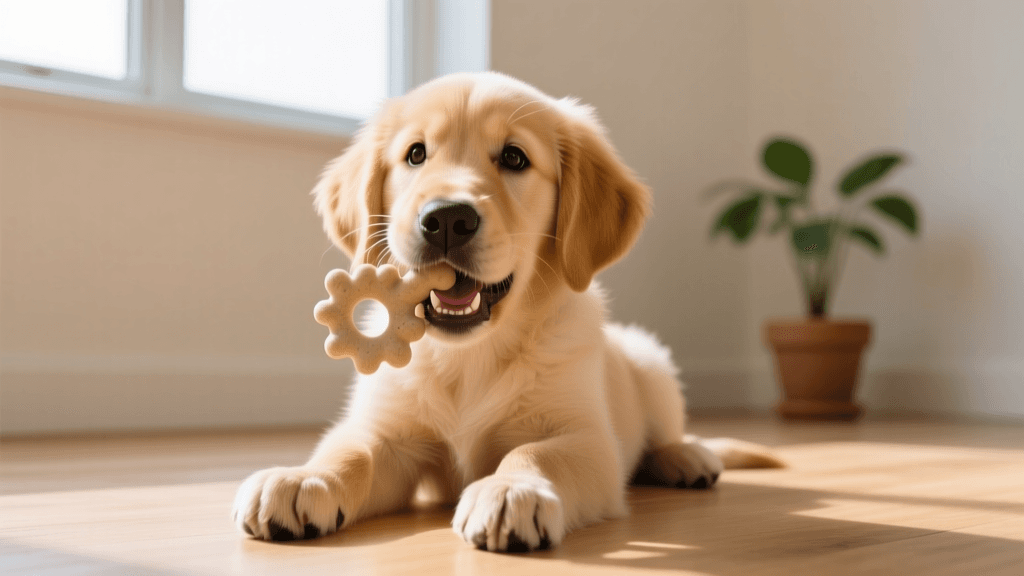
Bringing a new puppy home is an exhilarating experience, but it often comes with a painful reality for both the pup and your belongings: teething. As a core component of your puppy's early life stage development, teething is a biological necessity that transitions your dog from a nursing infant to an adult canine capable of processing solid food. According to VCA Animal Hospitals, puppies develop 28 deciduous (baby) teeth, which are eventually replaced by 42 permanent adult teeth. This rapid dental transformation causes significant gum inflammation, soreness, and an instinctual drive to chew on anything that provides counter-pressure to relieve the discomfort.
Understanding this developmental milestone is crucial for new owners. Without proper guidance, a teething puppy can destroy furniture, ingest dangerous foreign objects, and develop lifelong behavioral issues related to nipping and biting. This life stage care guide breaks down the month-by-month teething timeline, providing actionable advice, specific product recommendations, and training techniques to help you and your puppy survive the chewing stages.
The Month-by-Month Puppy Teething Timeline
Teething is not a single event but a multi-stage process that spans the first seven to eight months of your puppy's life. Below is a structured timeline to help you anticipate and manage each phase.
| Age Range | Teething Stage | Common Symptoms | Recommended Action |
|---|---|---|---|
| 0 - 3 Weeks | Pre-Teething Phase | Nursing exclusively, no visible teeth, gum swelling. | Monitor nursing; ensure the mother is not experiencing mastitis from sharp nails. |
| 3 - 8 Weeks | Deciduous Teeth Erupt | Incisors and canines appear; mild chewing on littermates; weaning begins. | Introduce soft, watered-down puppy kibble; provide soft fleece toys. |
| 12 - 16 Weeks | Baby Teeth Fall Out | Spots of blood on toys, excessive drooling, whining, loss of appetite. | Offer chilled rubber toys; avoid hard bones that could fracture emerging teeth. |
| 4 - 7 Months | Adult Teeth Emerge | Heavy, destructive chewing; nipping at hands; finding baby teeth on the floor. | Implement strict bite inhibition training; provide durable, freezable chew toys. |
Weeks 3 to 8: The Needle-Teeth Phase
During this early life stage, your puppy's 28 baby teeth begin to pierce through the gums. These teeth are incredibly sharp, often referred to as 'needle teeth.' While the puppy is usually still with the breeder during the early part of this phase, by the time you bring them home at 8 weeks, they will have a full set of sharp deciduous teeth. At this stage, chewing is primarily exploratory. Puppies use their mouths to investigate their environment, much like human toddlers use their hands.
Months 3 to 4: The Shedding Phase
This is often the most uncomfortable phase for the puppy. The roots of the baby teeth are resorbed by the body, and the adult teeth begin pushing through the gum line. You may notice your puppy drooling more than usual, leaving tiny spots of blood on their favorite tug toys, or exhibiting a decreased appetite due to gum soreness. According to the American Kennel Club (AKC), it is completely normal for puppies to swallow their baby teeth while eating or playing, so do not panic if you do not find all 28 teeth around the house.
Months 4 to 7: The Heavy Chewing Phase
As the 42 adult teeth—including the large premolars and molars—erupt, your puppy's jaw strength increases dramatically. The urge to chew becomes a physiological necessity to relieve the deep tissue pressure in their jaw. This is the stage where baseboards, shoes, and table legs are at the highest risk. Management of the environment and providing appropriate outlets for chewing are non-negotiable during this life stage.
Essential Teething Products and DIY Remedies
To save your belongings and soothe your puppy's gums, you must provide a variety of textures and temperatures. Cold items constrict blood vessels in the gums, reducing inflammation and numbing the pain. Here are specific, actionable product recommendations and DIY solutions:
Top Commercial Teething Toys
- KONG Puppy Toy (Cost: $8 - $15): Made from a softer, puppy-specific rubber formula, this toy is designed to be gentle on developing teeth while still being durable enough to withstand aggressive chewing.
- Petstages Cool Teething Stick (Cost: $7 - $12): This fabric toy is meant to be soaked in water and frozen. The crunching ice and chilled fabric provide immediate relief for inflamed gums.
- Nylabone Puppy Chew (Cost: $6 - $10): Specifically textured to clean teeth and massage gums, the puppy version is softer than the adult Power Chew line, preventing dental fractures.
DIY Frozen KONG Recipe
Freezing a KONG toy not only soothes gums but also provides vital mental enrichment, tiring your puppy out and reducing destructive behavior. Follow this simple recipe:
- Take a medium-sized KONG Puppy toy and plug the small bottom hole with a dab of dog-safe peanut butter (ensure it is Xylitol-free).
- Layer in your puppy's daily allotment of kibble.
- Pour plain, unsweetened Greek yogurt or low-sodium chicken broth over the kibble to fill the gaps.
- Freeze for at least 4 hours before giving it to your puppy.
Pro Tip: Always supervise your puppy with any chew toy. If a toy becomes small enough to swallow or begins to break apart into sharp pieces, discard it immediately to prevent gastrointestinal blockages.
Bite Inhibition Training: Stopping the Nipping
Teething puppies often direct their chewing toward human hands and ankles, earning them the nickname 'land sharks.' It is critical during this life stage to teach bite inhibition—the ability to control the force of their bite. The American Veterinary Medical Association (AVMA) emphasizes that early socialization and consistent behavioral training are just as important as physical health care in a puppy's first year.
Step-by-Step Redirection Technique
- The Yelp and Pause: When your puppy's teeth make contact with your skin, immediately let out a high-pitched yelp or say 'Ouch!' in a sharp tone. This mimics the reaction of a littermate and signals that the bite was too hard.
- The Withdrawal: Stand up, cross your arms, and completely ignore the puppy for 10 to 15 seconds. This teaches them that biting results in the end of playtime.
- The Redirection: After the brief time-out, re-engage the puppy by offering an appropriate chew toy, such as a frozen Nylabone. When they chew the toy instead of your hand, offer verbal praise and gentle petting.
Consistency is the cornerstone of this training. Every member of the household and every visitor must enforce the exact same rules. Allowing a puppy to nip at your hands one day but scolding them the next creates confusion and prolongs the nipping phase.
When to See a Veterinarian
While teething is a natural life stage, complications can arise. You should schedule a veterinary visit if you notice any of the following warning signs:
- Retained Deciduous Teeth: Sometimes, a baby tooth does not fall out when the adult tooth erupts, resulting in two teeth occupying the same space. This can cause severe misalignment and trap food, leading to early periodontal disease. A vet will need to extract the retained tooth under anesthesia.
- Excessive Bleeding or Pus: While a tiny spot of blood on a toy is normal, active bleeding from the gums or the presence of pus indicates an infection or a fractured tooth.
- Prolonged Loss of Appetite: If your puppy refuses to eat for more than 24 hours due to mouth pain, consult your vet. They may recommend a temporary switch to wet food or prescribe a puppy-safe pain reliever.
Conclusion
Surviving the puppy teething timeline requires patience, environmental management, and proactive training. By understanding the month-by-month developmental milestones, providing appropriate chilled chew toys, and consistently enforcing bite inhibition, you can protect your home and your hands. Remember that this intense chewing phase is temporary. With the right life stage care guide and a well-stocked toy box, your puppy will soon transition into adulthood with a healthy, fully developed set of 42 adult teeth and excellent chewing habits.
beth-carrasco
All our authors care for dogs every day — read more of their work on the authors page.