First-Time Owner Guide: Setting Up a Puppy Safe Space
Learn how to set up a secure, comfortable puppy safe space. This first-time owner guide covers crate sizing, puppy proofing, and essential gear.
Why Every First-Time Owner Needs a Puppy Safe Space
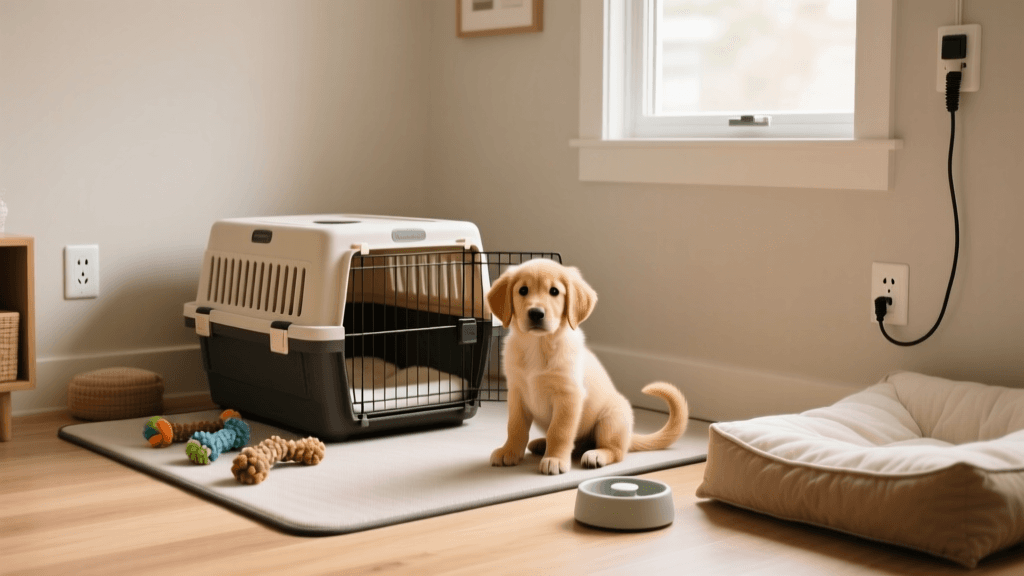
Bringing a new puppy home is one of the most exciting milestones in life, but the transition can quickly become overwhelming for both you and your new furry companion. First-time dog owners often underestimate the sheer amount of energy, curiosity, and destructive potential a young puppy possesses. Without proper boundaries, puppies can chew through electrical cords, ingest toxic household items, or develop severe separation anxiety. The ultimate solution to these challenges is establishing a dedicated "puppy safe space" or enclosure. This is not about locking your dog away; rather, it is about creating a secure, den-like environment where your puppy can relax, sleep, and play without constant supervision.
According to the American Kennel Club (AKC), puppy-proofing your home and establishing safe boundaries from day one is critical for preventing behavioral issues and ensuring your pet's physical safety. A well-designed safe space typically combines a properly sized crate with an attached exercise pen, giving the puppy enough room to move, drink water, and relieve themselves if necessary, while keeping them out of trouble when you cannot watch their every move.
Choosing the Right Crate and Playpen Configuration
The foundation of your puppy's safe space is the crate. Dogs are naturally den animals, and a crate taps into this instinct, providing a cozy retreat. For first-time owners, a wire crate with a removable divider panel is the most practical investment. Wire crates offer excellent ventilation and visibility, allowing your puppy to feel connected to the household rather than isolated. The divider panel is crucial: it allows you to buy a crate that will fit your dog's adult size while restricting the space to a smaller area appropriate for their current puppy size. If a puppy has too much space, they may use one corner as a bathroom and sleep in the other, which severely hinders potty training.
Crate Sizing Guide by Estimated Adult Weight
Choosing the correct crate size is essential for your dog's comfort and joint health. Below is a standard sizing chart to help you select the right wire crate based on your puppy's projected adult weight.
| Estimated Adult Weight | Recommended Crate Length | Example Breeds |
|---|---|---|
| 11 - 25 lbs | 24 Inches | French Bulldog, Pug, Corgi |
| 26 - 50 lbs | 30 Inches | Beagle, Cocker Spaniel, Basset Hound |
| 51 - 70 lbs | 36 Inches | Border Collie, Australian Shepherd, Boxer |
| 71 - 90 lbs | 42 Inches | Labrador Retriever, Golden Retriever, German Shepherd |
| 90+ lbs | 48 Inches | Great Dane, Mastiff, Saint Bernard |
Pair your wire crate with a metal exercise pen (often called an X-pen). A standard 8-panel, 24-inch-high pen is usually sufficient for small to medium breeds, while larger breeds may require a 30-inch or 36-inch height to prevent jumping. Attach the pen directly to the open door of the crate using heavy-duty carabiner clips or zip ties to create a seamless, escape-proof enclosure.
Puppy-Proofing the Immediate Area
Even inside an exercise pen, hazards can lurk. Puppies are notorious for reaching through the metal bars and pulling nearby objects into their enclosure. Ensure the pen is placed at least two feet away from curtains, blinds, electrical cords, and houseplants. Many common houseplants, such as the Sago Palm and Peace Lily, are highly toxic to dogs. Furthermore, avoid placing the pen on top of expensive rugs or hardwood floors without a protective, waterproof playpen mat underneath, as puppies will inevitably have accidents or spill their water bowls.
Essential Gear for the Puppy Enclosure
Outfitting your puppy's safe space with the right gear can mean the difference between a whining, stressed puppy and a calm, contented one. Here is a curated list of essential items, including specific product recommendations and estimated costs, to optimize your setup:
- Chew-Proof Bedding ($70 - $120): Avoid plush, stuffed beds for young puppies, as they can easily tear them apart and ingest the poly-fill, leading to life-threatening intestinal blockages. Invest in a chew-resistant bed like the K9 Ballistics Tough Dog Bed, which features ballistic nylon that stands up to sharp puppy teeth.
- Comfort Toy ($25 - $40): Puppies miss their littermates and mother. The SmartPetLove Snuggle Puppy includes a battery-operated heartbeat simulator and a heat pack that mimics the warmth and pulse of a sibling, drastically reducing nighttime crying and separation anxiety.
- Enrichment Toys ($15 - $30): To keep your puppy's brain engaged, provide interactive feeders. The KONG Classic stuffed with frozen peanut butter (ensure it is xylitol-free) or the West Paw Toppl are excellent choices that can occupy a puppy for 30 to 45 minutes.
- No-Spill Water Bowl ($15 - $25): Standard bowls will be tipped over within minutes. A floating-disk water bowl like the DuraPet Heavy Duty Bowl or a Ray Allen Buddy Bowl prevents spills and keeps the puppy dry and comfortable.
- Indoor Potty Solution ($30 - $60): If you live in an apartment or work long hours, an indoor potty area inside the pen is necessary. Real grass patches like Fresh Patch or DoggieLawn (subscription-based, around $30/bi-weekly) are highly recommended over synthetic pads, as they teach the dog to associate the texture of grass with elimination, making the transition to outdoor potty training much smoother.
Managing Potty Training and Nap Schedules
The safe space is your primary tool for potty training. Dogs naturally avoid soiling their immediate sleeping area. By keeping the crate sized correctly, you encourage the puppy to hold their bladder until you take them outside. The ASPCA emphasizes that a crate should never be used as a place of punishment, but rather as a positive management tool to establish a reliable elimination routine.
First-time owners are often shocked by how much puppies sleep. A growing puppy requires between 18 to 20 hours of sleep per day. When a puppy becomes overtired, they exhibit "zoomies," excessive biting, and an inability to settle. The safe space acts as a mandatory nap zone. If your puppy has been awake for more than 60 to 90 minutes and starts acting erratic, place them in their crate with a chew toy. They will almost always fall asleep within minutes.
Sample First-Day Safe Space Schedule
- 7:00 AM: Wake up, carry puppy immediately outside for a potty break.
- 7:15 AM: Breakfast served inside the pen or via a puzzle feeder.
- 7:45 AM: Supervised play and training session in the living room.
- 8:30 AM: Puppy shows signs of tiredness (yawning, nipping). Place in the crate inside the safe space for a morning nap.
- 10:30 AM: Wake up, immediate outdoor potty break, followed by short playtime.
Common Mistakes First-Time Owners Make
One of the most frequent errors new owners make is giving the puppy too much freedom too soon. Allowing an untrained 10-week-old puppy to roam the entire house is a recipe for destroyed furniture and potty training regression. Freedom must be earned through consistent good behavior over several months. Another common mistake is leaving the puppy in the safe space for excessively long periods. While a safe space is excellent for management, puppies need socialization, exercise, and bonding time with their family. The American Veterinary Medical Association (AVMA) notes that proper early socialization and environmental enrichment are just as vital as physical safety for a puppy's long-term behavioral health.
Transitioning to Freedom
Eventually, your puppy will outgrow the need for the exercise pen and the crate door can be left open. This transition usually begins around 6 to 9 months of age, provided the dog is fully potty trained and has passed the intense teething phase. Start by leaving the pen open while you are in the same room, allowing the dog to come and go as they please. If they make a mistake, calmly return to the structured safe space for a few weeks. By setting up a robust, comfortable, and enriching safe space from day one, you lay the groundwork for a confident, well-behaved adult dog and a harmonious household.
anouk-beaumont
All our authors care for dogs every day — read more of their work on the authors page.