Decompression Walks: A Behaviorist Guide for Reactive Dogs
Learn how expert behaviorists use decompression walks to lower cortisol in reactive dogs. Discover gear, routines, and sniffing protocols for urban pets.
The Ethology of the Decompression Walk
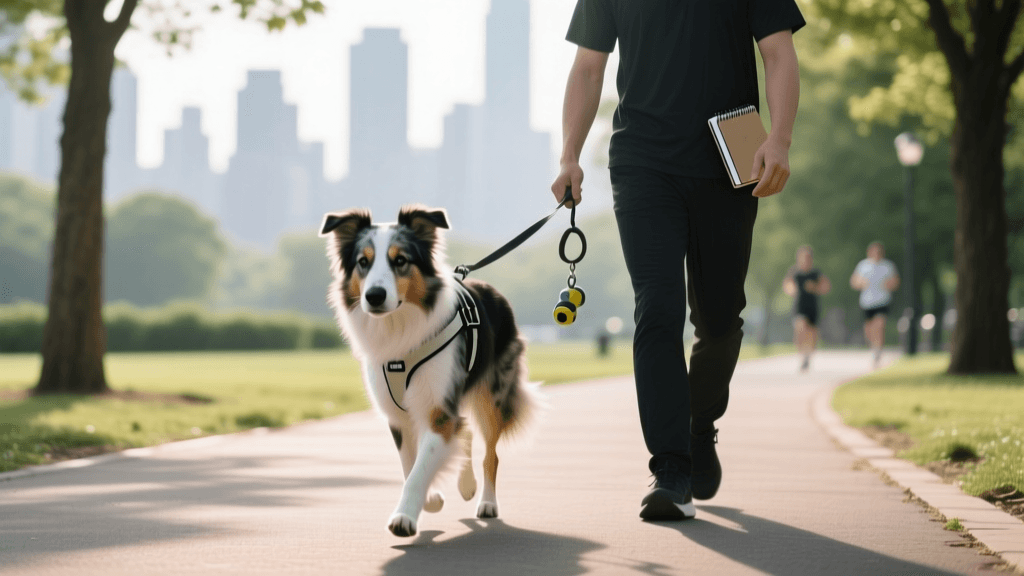
As an applied animal behaviorist, one of the most frequent challenges I address in urban multi-pet and single-dog households is chronic canine stress. City living is a sensory overload for a species whose primary way of interpreting the world is olfactory. When we force dogs into a rigid, heel-oriented walking structure through noisy streets, we often inadvertently contribute to a phenomenon known as trigger stacking. This is where multiple minor stressors accumulate, eventually causing a dog to overreact to a seemingly benign stimulus. Enter the decompression walk: a scientifically grounded, ethologically appropriate routine designed to lower cortisol levels and engage the parasympathetic nervous system.
Unlike a traditional walk focused on physical exertion and obedience, a decompression walk prioritizes autonomy, environmental investigation, and mental enrichment. According to veterinary behaviorists, allowing a dog to freely sniff and explore at their own pace is not merely a leisure activity; it is a critical behavioral need. Research highlighted by Fear Free Pets demonstrates that intensive sniffing actually lowers a dog's heart rate and promotes a state of calm, acting as a natural anti-anxiety mechanism.
Trigger Stacking and the Canine Stress Bucket
To understand why decompression walks are vital for reactive or anxious dogs, we must examine the concept of the 'stress bucket.' Every time your dog encounters a trigger—a barking dog behind a fence, a loud garbage truck, or even a skateboarder—their bucket fills with stress hormones like cortisol and adrenaline. Cortisol has a long half-life; it can take up to 72 hours for a dog's endocrine system to fully return to baseline after a severe reactive episode.
If you only take your dog on high-stress, fast-paced neighborhood walks, their bucket remains perpetually full. The ASPCA notes that leash reactivity is often exacerbated by this chronic state of arousal. By integrating decompression walks in low-trigger environments, you actively empty the stress bucket, raising your dog's threshold for reactivity when they inevitably encounter triggers in daily life.
Structured Walks vs. Decompression Walks
Understanding the distinction between these two types of outings is crucial for a balanced daily routine. Most behaviorists recommend a mix of both, but the ratio depends heavily on the individual dog's neurological baseline.
| Feature | Traditional Structured Walk | Decompression Walk |
|---|---|---|
| Primary Goal | Obedience, physical exercise, heel work | Mental enrichment, stress reduction, autonomy |
| Leash Length | 4 to 6-foot standard leash | 15 to 30-foot long line |
| Pace | Human-directed, brisk, consistent | Dog-directed, meandering, frequent stops |
| Environment | Sidewalks, urban streets, parks | Quiet fields, wooded trails, empty lots |
| Sensory Focus | Visual and auditory (watching handler) | Olfactory (sniffing, ground investigation) |
| Duration | 30 to 60 minutes | 20 to 45 minutes (mental fatigue sets in faster) |
Essential Gear for Urban Decompression
Executing a safe and effective decompression walk requires specific equipment. Standard retractable leashes are strongly discouraged by behavior professionals due to the high risk of rope burn, mechanical failure, and the constant tension they place on a dog's neck, which can trigger opposition reflex and reactivity.
1. The Y-Front Harness
A properly fitted Y-front harness ensures that the dog's shoulder joints remain unrestricted, allowing for natural gait movement and preventing physical discomfort that can lead to irritability. Product Recommendation: The Ruffwear Front Range or the Perfect Fit Harness. These allow for dual-clip options and cost between $40 and $75. Ensure you can fit two fingers snugly under all straps.
2. The Biothane Long Line
A long line provides the physical radius necessary for sniffing while maintaining safety in unfenced areas. Biothane is the gold standard material because it is waterproof, easy to clean, and does not fray or burn your hands if the dog suddenly lunges. Product Recommendation: A 15-foot to 20-foot Biothane long line (1/2 inch width for dogs under 40 lbs; 3/4 inch for larger dogs) from High Tail Trails or Mighty Paw. Expect to invest $30 to $55.
3. High-Value Olfactory Enrichment
Scatter feeding is a core component of the decompression protocol. Bring strongly scented, novel treats to scatter in the grass, encouraging deep, sustained sniffing. Product Recommendation: Freeze-dried Ziwi Peak Venison or K9 Natural Green Lamb Tripe. Cost is roughly $25-$35 per bag, but you only need a few ounces per walk.
The Step-by-Step Decompression Protocol
Implementing this routine requires a shift in the human mindset. You are no longer the drill sergeant; you are the facilitator of your dog's sensory experience.
Phase 1: The Transit and Transition (5-10 Minutes)
For urban dogs, the decompression walk often begins with a car ride or a quiet transit to a less populated area. Keep the car environment calm—use a crash-tested harness or a secured crate. Play classical music or reggae (studies show these genres reduce kennel stress). Upon arrival, do not immediately unclip the long line. Stand still, allow the dog to observe the environment, and wait for a voluntary disengagement or a deep sigh before beginning.
Phase 2: The Sniffari (15-30 Minutes)
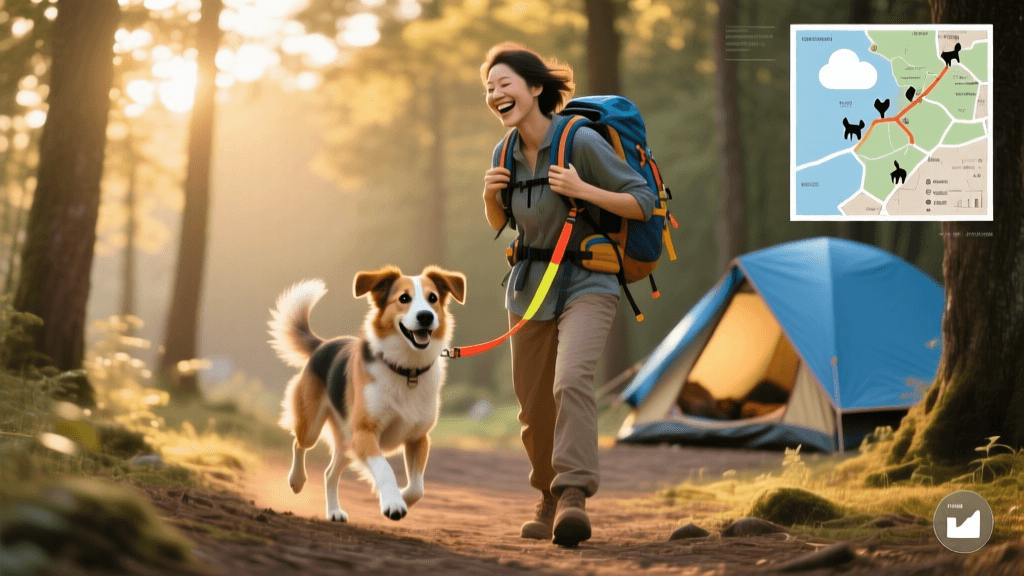
Release the long line and let the dog dictate the route. If your dog wants to spend four minutes sniffing a single patch of weeds, let them. This is the canine equivalent of reading a complex novel. To manage the long line safely, practice 'body blocking' and stepping on the line rather than pulling it with your hands. Keep the line dragging on the ground when safe, or hold it in loose loops. Avoid keeping a tight leash, as tension communicates anxiety and anticipation to the dog.
Phase 3: Scatter Feeding and Cool Down (10 Minutes)
Toward the end of the walk, toss a handful of high-value treats into the grass or leaf litter. This encourages foraging behavior, which is deeply ingrained in canine ethology and highly effective at lowering arousal levels before the transition back to the urban environment or the car.
Reading Canine Body Language During Decompression
An expert behaviorist doesn't just watch what the dog is doing; they analyze how the dog is feeling. During a decompression walk, you must differentiate between investigative sniffing and displacement sniffing.
- Investigative Sniffing: The dog's body is loose, tail is in a neutral or relaxed wag, ears are forward or softly pinned, and breathing is rhythmic. This is productive decompression.
- Displacement Sniffing: The dog suddenly drops their head to sniff the ground intensely immediately after seeing a trigger (like a distant dog or a loud noise). This is a calming signal and an avoidance behavior. The dog is overwhelmed and using the ground to avoid eye contact with the trigger.
- Shake-Offs: If your dog stops and does a full-body shake (as if wet), they are actively shedding adrenaline. This is a positive sign that they are processing and releasing stress.
Troubleshooting Common Behavioral Hurdles
My dog won't sniff; they just pull to the end of the long line.
This indicates that the dog's arousal levels are too high to engage in parasympathetic activities. You may be in an environment that is too stimulating. Move to a quieter, more boring location, or practice the 'Find It' game by tossing treats directly at their nose and then onto the ground to artificially initiate the sniffing behavior.
My dog is reactive on the long line.
Long lines can sometimes make leash reactivity worse if the dog learns they can build up momentum to lunge. If your dog is highly reactive, you must practice 'Pattern Games' (such as 1-2-3 treat tossing) to build engagement with you before offering the freedom of the long line. The Humane Society of the United States emphasizes that managing the environment to prevent rehearsal of reactive behaviors is the cornerstone of any successful behavior modification plan.
Conclusion: A New Paradigm for Daily Life
Integrating decompression walks into your weekly routine—aiming for at least three to four sessions a week—can profoundly alter your dog's behavioral baseline. By honoring their ethological need to sniff, explore, and decompress, you are not just exercising their body; you are actively regulating their nervous system. For the reactive, anxious, or over-aroused urban dog, the long line and the quiet field are not just tools and locations; they are the foundation of a balanced, fulfilling life shared with their human companions.
hannah-wickes
All our authors care for dogs every day — read more of their work on the authors page.