First-Time Puppy Essentials: Your Ultimate Day-One Prep Guide
Discover essential day-one prep tips, must-have gear, and home safety checklists for first-time puppy owners to ensure a smooth transition.
Welcome to Puppy Parenthood: Setting the Stage
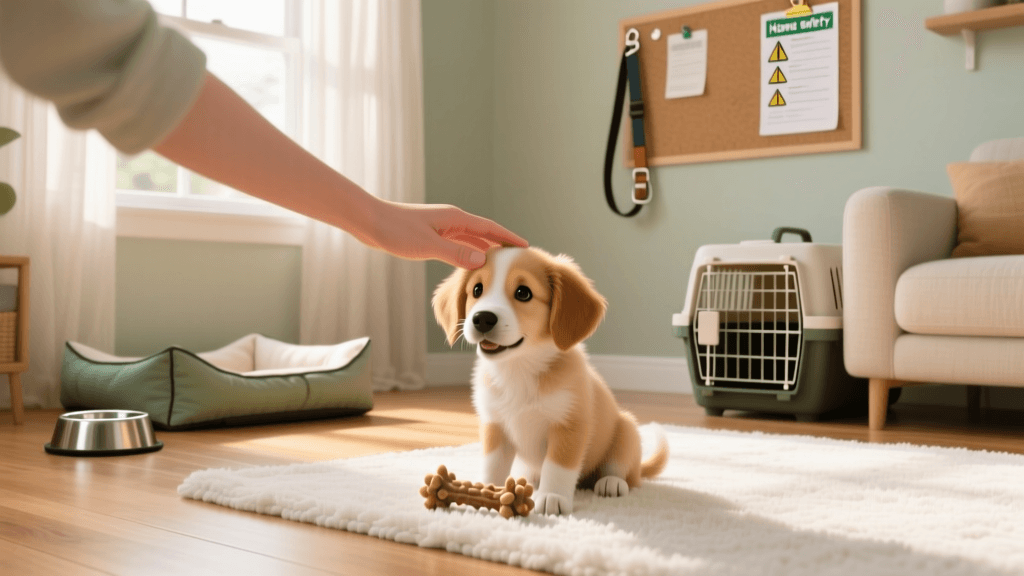
Bringing a new puppy home is undeniably one of the most exciting milestones you will experience as a first-time dog owner. The anticipation of those tiny paws padding across your floor, the wet nose boops, and the joyful tail wags are enough to make anyone's heart melt. However, beneath the surface of this excitement lies a significant responsibility. Puppies are essentially canine toddlers; they are curious, energetic, and entirely unaware of household dangers or behavioral expectations. Without proper preparation, the first few days can quickly devolve from a joyful fairytale into a stressful ordeal of chewed baseboards, sleepless nights, and potty accidents.
The secret to a smooth transition lies entirely in what you do before your puppy ever crosses the threshold of your front door. By preparing your environment, gathering the right supplies, and establishing a day-one routine, you set the foundation for a confident, well-adjusted dog. This comprehensive guide will walk you through every critical step of first-time puppy preparation, ensuring you are fully equipped for day one and beyond.
Puppy-Proofing Your Home: A Room-by-Room Safety Audit
Before you bring your new companion home, you must view your living space through the eyes of a curious, teething puppy. Puppies explore the world primarily through their mouths, meaning anything left on the floor, hanging from a counter, or within jumping distance is a potential hazard or a destroyed possession.
Start by securing electrical cords and cables. Use cord concealers or bitter apple spray to deter chewing, which can lead to severe burns or electrocution. Next, evaluate your houseplants. Many common indoor plants are highly toxic to dogs. According to the ASPCA's comprehensive toxic plant database, popular houseplants like pothos, peace lilies, and snake plants can cause severe gastrointestinal distress, neurological issues, or even organ failure if ingested. Relocate these to high shelves or replace them with pet-safe alternatives like spider plants or calatheas.
Move to the kitchen and bathrooms. Install childproof latches on lower cabinets, especially those containing cleaning supplies, medications, or trash cans. Ensure that human foods toxic to dogs—such as xylitol (often found in sugar-free gum), chocolate, grapes, and onions—are stored in sealed containers inside upper pantries. Finally, check your fencing and outdoor gates. Walk the perimeter of your yard to identify any gaps, loose boards, or digging escape routes that a small puppy could easily slip through.
The First-Time Puppy Shopping List: Must-Have Gear
Walking into a pet store or browsing online can be incredibly overwhelming given the sheer volume of puppy products available. As a first-time owner, it is easy to overspend on unnecessary gadgets while forgetting the absolute essentials. Below is a structured breakdown of the non-negotiable gear you need for day one, complete with estimated costs and specific recommendations.
| Essential Item | Estimated Cost | Why You Need It | First-Time Owner Specs & Tips |
|---|---|---|---|
| Wireframe Crate with Divider | $50 - $90 | Provides a safe den, aids in potty training, and prevents destructive roaming at night. | Buy a crate sized for your dog's estimated adult weight, but use the included divider panel to shrink the space. Puppies will soil their sleeping area if the crate is too large. |
| Enzymatic Cleaner | $15 - $25 | Standard household cleaners do not break down uric acid. Enzymatic cleaners eliminate the scent entirely, preventing repeat offenses. | Look for brands like Nature's Miracle or Rocco & Roxie. Keep a spray bottle in every main room. |
| Adjustable Front-Clip Harness | $20 - $40 | Protects a puppy's fragile trachea from the pressure of a collar and discourages pulling. | Choose a lightweight, breathable mesh harness with a front D-ring for leash attachment to gently redirect pulling. |
| Long Training Lead (15-30 ft) | $15 - $30 | Essential for safe outdoor exploration and recall training before your puppy is fully vaccinated. | Avoid retractable leashes; they teach dogs to pull and can cause severe rope burns. Opt for flat biothane or cotton. |
| Interactive Chew Toys | $25 - $50 | Soothes teething pain and redirects chewing away from furniture and shoes. | Stock up on rubber treat-dispensing toys (like the classic KONG) and natural chews like bully sticks. Avoid rawhide. |
Having these items delivered and set up before your puppy arrives eliminates the stress of emergency pet store runs during those chaotic first few days.
Creating a Safe "Puppy Zone"
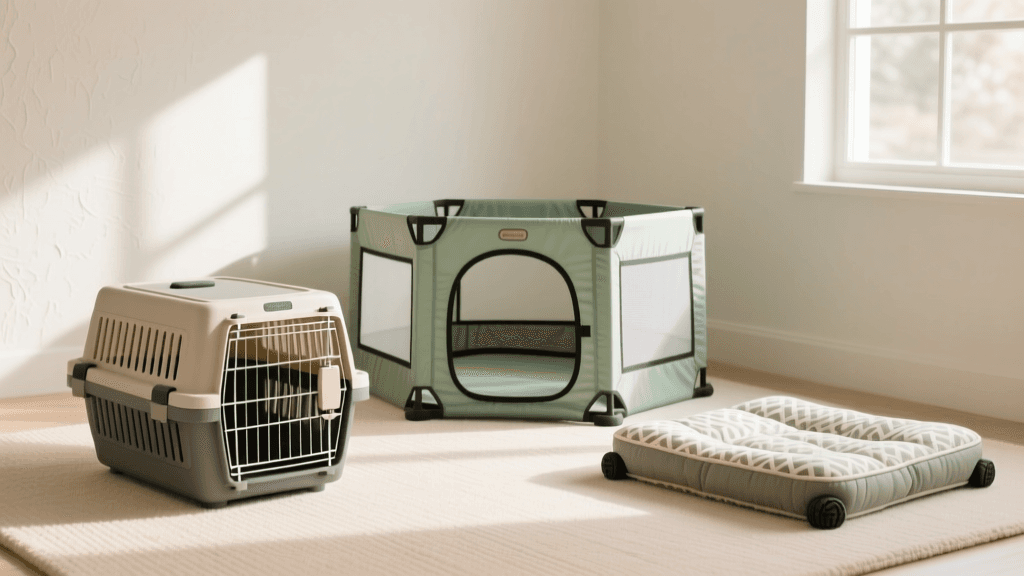
First-time owners often make the mistake of giving a new puppy free rein of the entire house. This leads to overstimulation, anxiety, and inevitable accidents. Instead, designate a specific "Puppy Zone" using an exercise pen (playpen) connected to your puppy's crate.
The Humane Society of the United States strongly advocates for crate training as a method to provide dogs with a secure sanctuary. Your setup should consist of the crate (with the door secured open) placed inside a 4x4 foot or 4x8 foot exercise pen. One side of the pen should house the puppy's water bowl and a few safe chew toys, while the opposite corner can hold a puppy pad if you are temporarily pad-training. This confined space allows your puppy to decompress, observe the household safely, and learn to self-soothe without being overwhelmed by the vastness of a new environment.
Your Puppy's First 24 Hours: A Timeline for Success
The first day is critical for establishing trust and setting behavioral precedents. Stick to this structured timeline to keep your puppy calm and oriented.
- Hour 1: The Arrival and Potty Break. Do not bring the puppy inside immediately. Carry them directly from the car to their designated outdoor potty spot. Use a consistent cue word like "Go Potty" and reward heavily with a high-value treat (like boiled chicken) the moment they eliminate.
- Hour 2: The Decompression Period. Bring the puppy into their pre-setup "Puppy Zone." Allow them to sniff their crate, drink some water, and chew on a toy. Keep the house quiet; avoid inviting friends and family over on day one to prevent overstimulation.
- Hour 3: The First Nap. Puppies need 18 to 20 hours of sleep a day. After an hour of gentle exploration, they will likely crash. Place them in their crate with a soft blanket and a snuggle puppy toy that mimics a heartbeat. Cover the crate partially to create a den-like atmosphere.
- Hour 4: Mealtime and Routine. Feed your puppy the exact same food the breeder or rescue was using to avoid gastrointestinal upset. If you plan to transition to a new brand, do so gradually over 7 to 10 days. Follow the feeding schedule provided by your source, usually three times a day for young puppies.
- Evening: The Wind Down. Keep evening interactions low-key. Take them out for a potty break immediately after waking, playing, or eating. By 8:00 PM, remove the water bowl to help them sleep through the night, and settle them into their crate for bedtime. Expect some whining; keep a hand near the crate to reassure them without reinforcing the crying.
Scheduling the First Vet Visit
Your preparation does not end at your front door; it extends to your veterinary care. You should schedule your puppy's first wellness exam within 48 to 72 hours of bringing them home. The American Kennel Club emphasizes that this initial visit is crucial for establishing a baseline of health, reviewing vaccination records, and setting up a preventative care schedule.
During this visit, your veterinarian will perform a comprehensive physical exam, checking for congenital issues, parasites, and heart murmurs. They will also outline a core vaccination schedule (such as DHPP and Rabies) and discuss essential preventatives for fleas, ticks, and heartworm. Bring a fresh stool sample to this appointment so the clinic can run a fecal float test to check for common intestinal parasites like giardia or roundworms, which are incredibly common in young puppies.
Conclusion: Patience and Consistency
Preparing for a puppy requires time, effort, and a bit of financial investment, but the payoff is immeasurable. By puppy-proofing your home, investing in the right gear, establishing a safe zone, and adhering to a structured day-one timeline, you are giving your new companion the greatest possible start in life. Remember that mistakes will happen—shoes will be chewed, and carpets will be stained. Approach these moments with patience and consistency, and you will soon find yourself looking back at the chaos of day one with nothing but fondness and pride.
robin-maitland
All our authors care for dogs every day — read more of their work on the authors page.