Diagnosing Rescue Dog Stress: Decompression Solutions
Learn to diagnose rescue dog stress signals and apply proven decompression solutions. Discover schedules, products, and costs for the first 30 days.

The Core Problem: Misdiagnosing the 'Honeymoon Phase'
Bringing a rescue dog into your home is one of the most rewarding experiences a person can have, but it is rarely without significant challenges. Many new adopters experience a jarring phenomenon known as the 'honeymoon phase.' For the first 48 to 72 hours, the dog may appear unusually calm, submissive, or lethargic. New owners often misdiagnose this behavior as the dog being 'perfectly behaved' or 'naturally lazy.' In reality, this is a physiological trauma response. The dog's nervous system is entirely overwhelmed by the sudden shift in environment, sounds, and scents, causing them to shut down.
The true problem arises around day four or five. As the dog begins to feel safe enough to process their surroundings, the suppressed stress hormones—namely cortisol and adrenaline—flood their system. This is when new owners suddenly face destructive chewing, house soiling, resource guarding, or severe separation anxiety. Instead of recognizing these as symptoms of environmental overwhelm, many owners misdiagnose them as 'bad behavior' or 'stubbornness,' leading to inappropriate training methods that only exacerbate the dog's panic. The solution is not stricter obedience training; it is a structured, intentional decompression protocol.
Diagnosing the 3-3-3 Rule of Canine Decompression
To properly diagnose where your dog is in their stress cycle, animal behaviorists rely on the 3-3-3 Rule. According to the Humane Society of the United States, understanding this timeline is critical for setting realistic expectations and preventing owner surrender.
- 3 Days to Decompress: The dog is overwhelmed, scared, and unsure of their new environment. They may not eat or drink normally, test boundaries, or hide. Diagnosis: Acute environmental stress.
- 3 Weeks to Settle: The dog starts to learn your routine, figure out where the food comes from, and show their true personality. Behavioral quirks and minor anxieties may surface here. Diagnosis: Routine acclimation and boundary testing.
- 3 Months to Feel at Home: The dog builds trust, forms a secure attachment, and understands that this is their permanent home. Diagnosis: Secure attachment formation.
If you attempt to force a dog into high-stimulation environments—like busy dog parks or crowded pet stores—before they have passed the 3-week mark, you risk triggering a behavioral fallout that can take months to reverse.
Symptom Checker: Normal Adjustment vs. Clinical Overwhelm
It is vital to differentiate between a dog who is simply learning the ropes and a dog who is drowning in stress. Use the diagnostic table below to evaluate your rescue dog's current state.
| Behavioral Metric | Normal Adjustment (Monitor & Support) | Severe Stress (Intervene Immediately) |
|---|---|---|
| Sleep Patterns | Sleeping 12-14 hours a day, waking easily for walks. | Lethargy, refusing to wake for meals, or severe insomnia/pacing at night. |
| Appetite & Digestion | Eating slowly, mild soft stool due to diet transition. | Refusing food for >24 hours, vomiting, or severe stress-induced diarrhea. |
| Social Interaction | Following owner from room to room, seeking gentle contact. | Hyper-vigilance, 'whale eye', excessive lip licking, or hiding under furniture. |
| Alone Time | Whining briefly when owner leaves, then settling down. | Destructive escape attempts, non-stop barking, or self-mutilation. |
| Leash Walking | Pulling slightly, sniffing, easily redirected with treats. | Leash reactivity, freezing in place, or lunging at benign stimuli. |
Actionable Solutions: Building a Decompression Protocol
Once you have diagnosed your dog's stress levels, you must implement a structured decompression plan. This involves environmental management, strict routine enforcement, and biological support. According to the American Kennel Club, establishing a predictable routine is the fastest way to lower a rescue dog's cortisol levels.
1. Environmental Setup and Essential Products
Your dog needs a 'safe zone' where they are never disturbed by children, guests, or other pets. This is typically a crate or a gated-off quiet room.
- The Crate: Purchase a 36-inch or 42-inch wire crate (depending on breed size). The dog must be able to stand up and turn around, but the space should not be so large that they can soil one corner and sleep in the other. Cost: $50 - $80.
- Heartbeat Toy: The 'Snuggle Puppy Behavioral Aid Heartbeat Toy' mimics the heartbeat and body heat of a littermate. This is highly effective for nighttime whining and acute anxiety. Cost: ~$45.
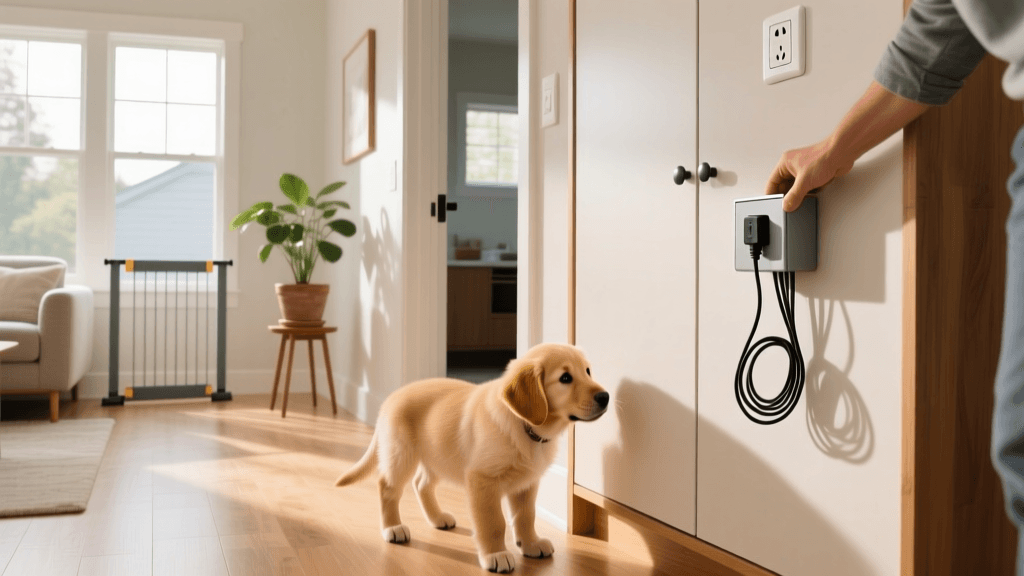
- Pheromone Therapy: Plug in an 'Adaptil Calm Home Diffuser' in the room where the dog spends the most time. It releases synthetic dog-appeasing pheromones (DAP) that signal safety to the canine brain. Cost: ~$25 for the starter kit.
- Total Initial Setup Cost: Approximately $120 - $150.
2. The 'Two-Week Shutdown' Routine
The most effective solution for acute rescue dog stress is the 'Two-Week Shutdown.' This protocol limits all non-essential stimuli, allowing the dog's nervous system to reset. During the first 14 days, enforce the following rules:
- No Dog Parks or Daycares: Off-leash environments are chaotic and unpredictable. They are a recipe for fear-based reactivity.
- No Guests: Ask friends and family to wait at least three weeks before visiting. When they do visit, instruct them to ignore the dog completely until the dog initiates contact.
- Decompression Walks (Sniffaris): Instead of structured 'heel' walks, take your dog on a 15-minute 'sniffari' twice a day on a 10-foot long line. Sniffing lowers a dog's heart rate and provides essential mental enrichment without physical exhaustion. Let them sniff a single bush for five minutes if they want to.
Sample Daily Decompression Schedule:
- 7:00 AM: Leashed potty break (5 minutes). Keep it boring and business-like.
- 7:15 AM: Breakfast served inside the crate or safe zone to build positive associations with the space.
- 7:45 AM: Decompression nap. Cover the crate with a breathable blanket to reduce visual stimuli.
- 12:00 PM: Potty break followed by a 15-minute sniffari in a quiet, low-traffic area.
- 5:00 PM: Mental enrichment (e.g., a frozen Kong or snuffle mat) to encourage natural foraging behaviors.
- 8:00 PM: Final potty break, followed by settling in the safe zone for the night.
3. Nutritional Support for the Canine Gut-Brain Axis
Stress directly impacts the gastrointestinal tract. It is incredibly common for rescue dogs to develop stress colitis or diarrhea during the first week. To combat this, proactively support their gut microbiome. Add a canine-specific probiotic, such as 'Purina Pro Plan Veterinary Supplements FortiFlora,' to their daily meals. This specific strain (Enterococcus faecium SF68) is clinically proven to promote intestinal microflora balance during times of stress. Cost: ~$30 for a 30-day supply.
When to Escalate: Diagnosing Severe Behavioral Issues
While the decompression protocol solves 80% of early behavioral issues, some dogs arrive with deep-seated trauma that requires professional intervention. How do you diagnose the difference between a decompressing dog and a dog with clinical pathology?
According to the guidelines established by Fear Free Pets, you should look for 'red flag' calming signals and stress indicators that do not diminish after three weeks of strict decompression. These include:
- Resource Guarding: Freezing, growling, or snapping when a human approaches their food bowl, bed, or high-value chews.
- Severe Separation Anxiety: Drooling excessively, destroying door frames, or injuring their teeth/nails trying to escape the crate when left alone.
- Fear Aggression: Biting or lunging with intent to make contact when cornered or approached while sleeping.
If you diagnose any of these severe symptoms, stop all DIY training immediately. Punishing a fear-based response will only validate the dog's belief that the world is dangerous. Instead, consult a veterinarian to rule out underlying pain (which often manifests as aggression) and hire a certified veterinary behaviorist or a Fear Free certified trainer who utilizes force-free, positive reinforcement methodologies.
Conclusion: Patience is the Ultimate Solution
Diagnosing and managing rescue dog stress requires a fundamental shift in perspective. You are not adopting a finished product; you are adopting a survivor who needs time to learn that the war is over. By accurately reading their stress signals, enforcing a strict two-week shutdown, and investing in the right environmental and nutritional tools, you can guide your new dog through the turbulent 3-3-3 transition period. The first month will test your patience, but the result—a deeply bonded, secure, and happy companion—will be worth every ounce of effort.
aaron-whyte
All our authors care for dogs every day — read more of their work on the authors page.