First-Time Owner Guide to Puppy Vaccinations & Care
Discover the essential puppy vaccination schedule, preventive care tips, and costs for first-time dog owners to keep your new furry friend healthy.

Welcome to Dog Parenthood: Why Preventive Care Matters
Bringing a new puppy home is one of the most exciting milestones in life, but it also comes with a steep learning curve, especially regarding their health and wellbeing. For first-time dog owners, navigating the myriad of veterinary recommendations, vaccination schedules, and preventive medications can feel incredibly overwhelming. However, establishing a robust preventive care routine during your puppy's first year is the single most important investment you can make in their long-term health. Preventive care not only protects your puppy from life-threatening infectious diseases but also establishes a baseline of health that will serve them well into their senior years. This comprehensive guide is designed specifically for first-time owners, breaking down the essential veterinary milestones, parasite prevention strategies, and expected costs you need to know to raise a happy, healthy dog.
The Core Puppy Vaccination Schedule
Vaccinations are the cornerstone of puppy health. When puppies are born, they receive temporary immunity from their mother's colostrum (first milk). However, as these maternal antibodies wane between 6 and 16 weeks of age, puppies become highly susceptible to dangerous viruses. To bridge this gap of vulnerability, veterinarians administer a series of vaccines every three to four weeks until the puppy is at least 16 weeks old. According to the American Veterinary Medical Association (AVMA), adhering to this strict timeline is critical, as administering a vaccine too early might result in the maternal antibodies neutralizing the vaccine, while waiting too long leaves the puppy unprotected.
| Puppy Age | Vaccine Administered | Estimated Cost | Important Notes |
|---|---|---|---|
| 6-8 Weeks | DHPP (1st Dose) | $20 - $30 | Often given by the breeder or shelter before adoption. |
| 9-11 Weeks | DHPP (2nd Dose) | $20 - $30 | First vet visit for many new owners; includes general wellness exam. |
| 12-14 Weeks | DHPP (3rd Dose), Rabies | $40 - $60 | Rabies is legally required in most jurisdictions. |
| 15-17 Weeks | DHPP (4th Dose) | $20 - $40 | Ensures immunity after maternal antibodies have fully faded. |
| 12-16 Months | DHPP & Rabies Boosters | $40 - $70 | Crucial for maintaining long-term immunity. |
Understanding Core vs. Non-Core Vaccines
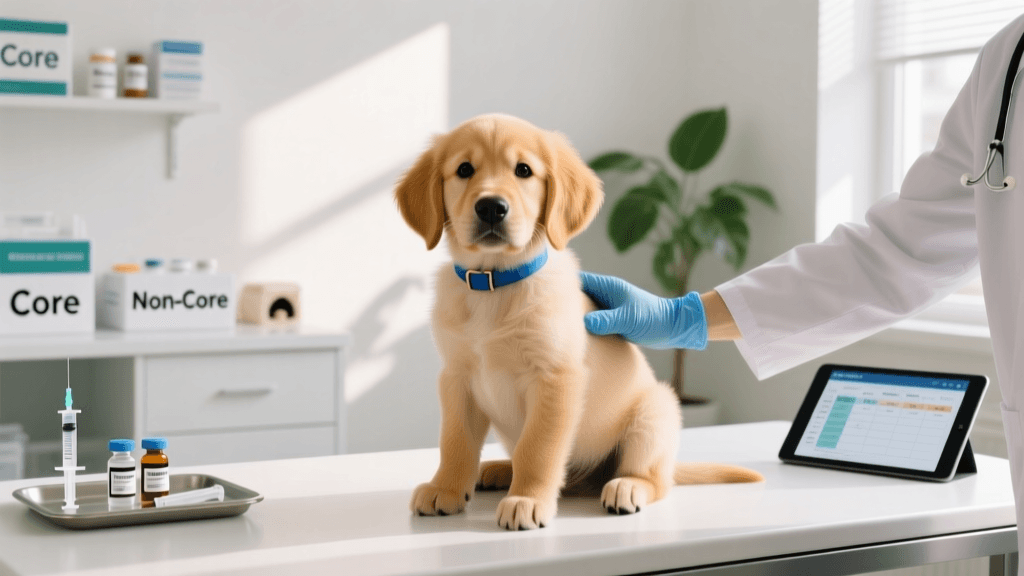
Not all vaccines are created equal, and your veterinarian will categorize them into 'core' and 'non-core' (or lifestyle) vaccines based on your puppy's risk factors. Core vaccines are universally recommended for all dogs, regardless of their geographic location or lifestyle, because they protect against severe, highly contagious, and potentially fatal diseases. The core DHPP vaccine protects against Distemper, Hepatitis (Adenovirus), Parainfluenza, and Parvovirus. Rabies is also a core vaccine due to its zoonotic risk (transmissibility to humans) and legal mandates.
Non-core vaccines are prescribed based on your dog's specific lifestyle, environment, and geographic location. If you plan to board your puppy, attend group training classes, or visit dog parks, the Bordetella (Kennel Cough) vaccine is highly recommended and often required by facilities. If you live in an area with standing water or wildlife, your vet may suggest the Leptospirosis vaccine, which protects against a bacterial infection that can cause severe liver and kidney damage. Additionally, dogs in tick-endemic regions should receive the Lyme disease vaccine, while those frequently exposed to other dogs in high-density areas might benefit from the Canine Influenza vaccine. Discussing your weekend plans, hiking habits, and living situation with your vet will help tailor this protocol perfectly to your puppy.
The Parvovirus Danger Zone and Safe Socialization
One of the most common mistakes first-time owners make is either isolating their puppy completely until they are fully vaccinated or exposing them to high-risk environments too early. Canine Parvovirus is a highly contagious, resilient, and often fatal gastrointestinal virus that can survive in soil and on surfaces for months. Until your puppy has received their final DHPP booster at 15-17 weeks of age, you must avoid public dog parks, pet stores, and areas where unknown dogs frequent. However, the critical socialization window for puppies closes around 16 weeks of age. To balance health and behavioral development, carry your puppy in a sling or stroller to expose them to new sights and sounds, and arrange playdates only with fully vaccinated, healthy adult dogs in private, controlled environments.
Parasite Prevention: Fleas, Ticks, and Heartworm
Preventive parasite control is a year-round commitment that should begin as early as your veterinarian recommends, often around 8 weeks of age. The American Heartworm Society strongly advocates for year-round heartworm prevention for all dogs, regardless of whether they live indoors or outdoors. Heartworm disease is transmitted by mosquitoes and is fatal if left untreated, requiring dangerous and expensive medical intervention. Monthly oral preventatives like Heartgard Plus or Interceptor Plus are highly effective and typically cost between $10 and $20 per month.
Flea and tick prevention is equally vital. Ticks can transmit debilitating diseases such as Lyme, Ehrlichiosis, and Anaplasmosis, while fleas can cause severe allergic dermatitis and transmit tapeworms. Modern oral isoxazoline medications, such as NexGard, Simparica, or Bravecto, offer excellent, fast-acting protection. Some combination pills, like Simparica Trio, cover heartworm, intestinal parasites, fleas, and ticks all in one monthly chew, which is highly convenient for new owners. Expect to spend roughly $15 to $25 per month on comprehensive flea and tick prevention. Always consult your vet before purchasing over-the-counter topical treatments, as some products containing permethrin are highly toxic to cats if you have a multi-pet household.
Spaying and Neutering: Timing and Health Benefits
Deciding when to spay or neuter your puppy is a significant health decision that has evolved in recent years. While traditional advice suggested altering all dogs at 6 months of age, modern veterinary science recognizes that the optimal timing depends heavily on the dog's breed and anticipated adult size. For small and medium breeds, spaying or neutering between 6 and 9 months is generally safe and helps prevent unwanted litters and certain reproductive cancers. However, for large and giant breeds (such as Golden Retrievers, German Shepherds, and Great Danes), recent studies suggest that delaying the procedure until the dog is physically mature (12 to 18 months) may reduce the risk of orthopedic issues like hip dysplasia and cranial cruciate ligament tears, as sex hormones play a crucial role in bone plate closure. The cost of these procedures can range from $200 to $800 depending on your location, the size of the dog, and whether you use a private clinic or a low-cost spay/neuter organization.
Dental Care Basics for Puppies
Dental health is frequently overlooked by first-time owners, yet periodontal disease is one of the most common conditions affecting adult dogs. The best time to start a dental care routine is during puppyhood when they are most adaptable. Begin by gently handling your puppy's muzzle and lips daily, rewarding them with high-value treats like small pieces of boiled chicken. Once they are comfortable, introduce a dog-specific enzymatic toothpaste (never use human toothpaste, as ingredients like xylitol and fluoride are toxic to dogs). Use a soft finger brush or a dog-specific toothbrush to gently clean their teeth a few times a week, gradually working up to daily brushing. Establishing this habit early can prevent painful dental extractions and systemic infections later in life, saving you thousands of dollars in professional veterinary dental cleanings.
Budgeting for Your Puppy's First Year of Health Care
Financial preparedness is a key component of responsible pet ownership. The first year of a dog's life involves the highest concentration of veterinary expenses. Here is a structured breakdown of estimated first-year health costs to help you budget effectively:
- Initial Vet Exam & Vaccinations: $200 - $400
- Spay/Neuter Surgery: $200 - $800
- Microchipping: $40 - $60
- Year-Round Parasite Prevention: $250 - $450
- Fecal Exams & Deworming: $50 - $100
- Emergency Fund / Pet Insurance Deductibles: $250 - $500
To mitigate the risk of catastrophic veterinary bills, first-time owners should strongly consider enrolling their puppy in a comprehensive pet insurance policy or a wellness plan while they are young and free of pre-existing conditions. Companies like Trupanion, Healthy Paws, or Lemonade offer accident and illness coverage that can reimburse 70% to 90% of unexpected medical bills, providing invaluable peace of mind. Ultimately, investing time, research, and resources into your puppy's preventive care during their first year lays the foundation for a vibrant, active, and joyous life together.
aaron-whyte
All our authors care for dogs every day — read more of their work on the authors page.