First-Time Dog Owner Budget: Real Costs and Essential Gear
Discover the real costs of dog ownership. This first-time owner guide breaks down essential gear, monthly budgets, and practical setup tips.
Welcome to Dog Ownership: Preparing for the Journey
Bringing a new dog into your home is one of the most rewarding experiences you can have. However, the transition from dreaming about a dog to actually living with one requires careful planning, especially when it comes to your finances and daily routine. Many first-time dog owners are caught off guard by the true cost of pet care and the sheer volume of gear marketed to them. According to the ASPCA, the average annual cost of dog ownership can range from $1,500 to over $3,000, depending on the size of the dog and your location. This guide will walk you through the real costs, the essential gear you actually need, and how to establish a daily routine that sets you and your new companion up for success.
The Financial Reality: First-Year Budget Breakdown
The first year of dog ownership is invariably the most expensive. You are not only covering routine care but also making one-time purchases for gear, initial veterinary visits, and training. Below is a realistic breakdown of what you can expect to spend during your dog's first year.
| Expense Category | Estimated First-Year Cost | Notes and Recommendations |
|---|---|---|
| Adoption/Purchase Fee | $50 - $2,500+ | Shelter adoptions often include initial vaccines and spay/neuter. |
| Initial Vet Visits & Vaccines | $200 - $500 | Includes core vaccines, microchipping, and spay/neuter if not done. |
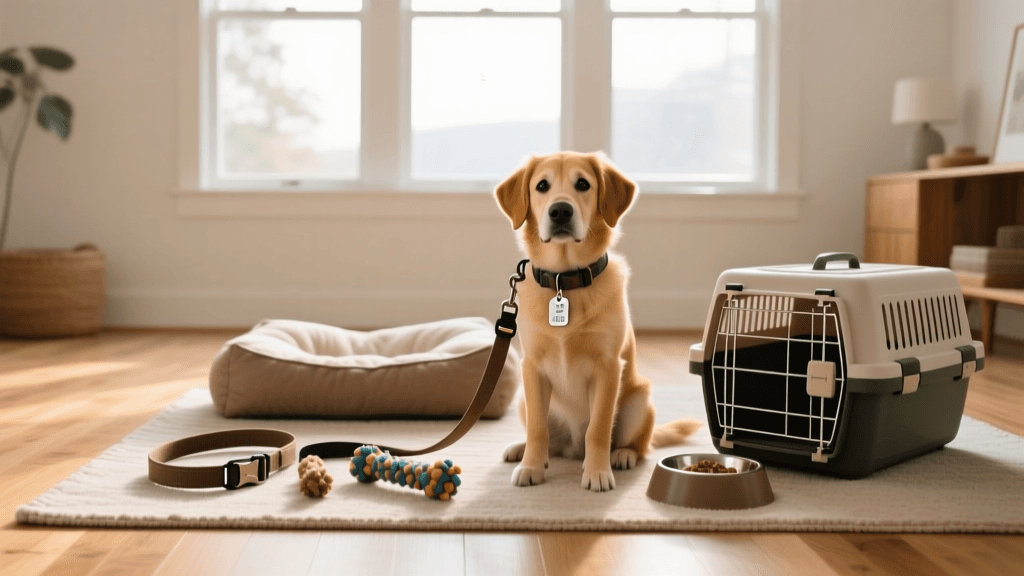
| Essential Gear & Supplies | $250 - $600 | Crate, bed, harness, leash, bowls, and initial toys. |
| High-Quality Dog Food | $400 - $900 | Varies heavily by dog size and brand (e.g., Purina Pro Plan, Orijen). |
| Preventative Medications | $200 - $400 | Flea, tick, and heartworm prevention (e.g., NexGard, Heartgard). |
| Training & Socialization | $150 - $400 | Group puppy classes or private behavioral sessions. |
| Pet Insurance (Annual) | $500 - $900 | Highly recommended to cap unexpected emergency costs. |
Essential Gear Setup (And What You Can Skip)
Walking into a pet store or browsing online can be overwhelming. The Humane Society emphasizes focusing on safety, comfort, and enrichment rather than novelty items. Here is your practical gear guide.
1. The Crate and Bed Setup
Crate training is vital for potty training and providing your dog with a safe den. Invest in a wire crate that will fit your dog's adult size, using a divider panel to adjust the space as they grow. A popular, durable choice is the MidWest Homes for Pets iCrate (approximately $50-$80). To measure for the correct size, measure your dog from the tip of their nose to the base of their tail, and add 2 to 4 inches. For the bed, skip the expensive plush orthopedic beds for the first six months; puppies chew. Instead, use a raised cot like the Coolaroo Elevated Pet Bed ($30) or simply fold up old towels until their chewing phase passes.
2. Walking and Safety Gear
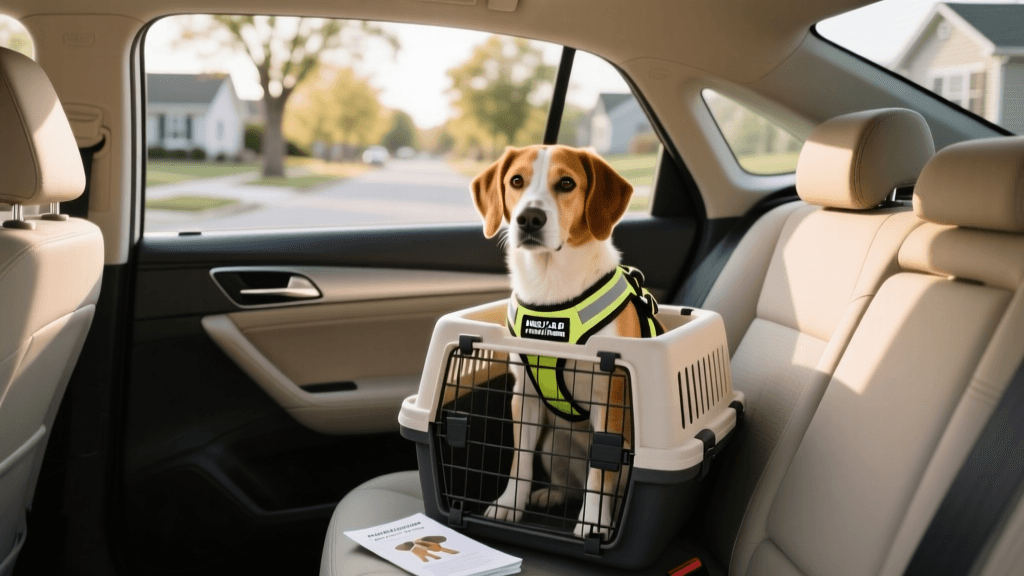
For leash walking, a front-clip harness is vastly superior to a standard collar, which can cause tracheal damage if your dog pulls. The Rabbitgoo No-Pull Dog Harness ($20-$25) is a favorite among trainers. Measure your dog's girth (the widest part of the ribcage just behind the front legs) to ensure a snug fit where you can slip two fingers between the harness and their body. Pair this with a standard 6-foot nylon or leather leash. Avoid retractable leashes, as they offer poor control and can cause severe friction burns or mechanical failures.
3. Enrichment and Cleaning
Dogs need mental stimulation to prevent destructive behavior. The KONG Classic ($15) is an industry standard; stuff it with plain pumpkin puree or dog-safe peanut butter and freeze it to keep your dog occupied for up to 45 minutes. Finally, accidents will happen. You must have an enzymatic cleaner like Nature's Miracle Advanced Stain and Odor Eliminator ($15). Standard household cleaners do not break down the uric acid in dog urine, meaning your dog will still smell it and be tempted to re-mark the same spot.
Establishing a Daily Routine for Success
Dogs thrive on predictability. A structured daily routine reduces anxiety and accelerates training. Here is how to structure your day.
The Potty Training Timeline
The golden rule of potty training is the 'month plus one' rule. A puppy can generally hold their bladder for one hour for every month of age, plus one. For example, a 3-month-old puppy can hold it for roughly 4 hours. However, during active play or immediately after eating, they will need to go out much sooner. Take your dog out immediately after they wake up, 15 minutes after eating or drinking, and immediately after a vigorous play session. Always reward them with a high-value treat (like small pieces of boiled chicken) the exact second they finish eliminating outside.
Feeding and Exercise Schedules
Free-feeding (leaving a bowl of food out all day) makes potty training incredibly difficult because you cannot predict when your dog will need to eliminate. Instead, feed your dog measured meals twice a day. For a 30-pound adult dog, this might mean 1.5 cups of high-quality kibble in the morning and 1.5 cups in the evening. Remove the bowl after 15 minutes if they haven't finished. Follow each meal with a potty break and a 20-to-30-minute structured walk. Mental exercise, such as 10 minutes of clicker training or scent work, tires a dog out just as much as a 2-mile run.
Hidden Costs and the Case for Pet Insurance
First-time owners often budget for food and toys but forget the hidden costs of veterinary care. Emergency surgeries, such as removing a swallowed sock or treating bloat, can easily cost between $3,000 and $7,000. The American Veterinary Medical Association (AVMA) strongly advises pet owners to consider pet insurance or establish a dedicated emergency savings fund. Companies like Trupanion or Healthy Paws offer comprehensive accident and illness plans that typically range from $40 to $80 per month, depending on your dog's breed, age, and your chosen deductible. Enrolling your dog while they are young and healthy is crucial, as insurance companies will not cover pre-existing conditions.
Pro Tip: Don't forget about local licensing. Most municipalities require dogs to be licensed annually, which usually costs between $10 and $25. Failure to license your dog can result in hefty fines if they are ever picked up by animal control.
Your First-Week Action Checklist
To ensure a smooth transition, complete these actionable steps before and during your dog's first week home:
- Puppy-Proof the Home: Get down on your hands and knees. Secure electrical cords, remove toxic houseplants (like lilies or sago palms), and ensure cleaning supplies are locked away.
- Set Up the Safe Zone: Place the crate in a quiet, low-traffic area of your home with a water bowl nearby. Cover the top with a breathable blanket to create a den-like atmosphere.
- Schedule the Vet Visit: Book a wellness exam within the first 3 to 5 days of bringing your dog home. Bring a fresh stool sample for parasite testing.
- Establish the Potty Spot: Pick one specific area in your yard or on your walking route. Always take your dog to this exact spot on a leash to build a strong scent association.
- Begin Name Recognition: Say your dog's name clearly, and the moment they look at you, mark the behavior with a 'Yes!' and give a treat. Repeat this 10 times a day.
Living with a dog is a profound commitment that reshapes your daily life. By understanding the true financial requirements, investing in the right practical gear, and enforcing a loving but firm daily routine, you will build a foundation of trust and happiness that will last for your dog's entire lifetime.
hannah-wickes
All our authors care for dogs every day — read more of their work on the authors page.