First 30 Days: A Training Progression Plan for New Dogs
Discover a step-by-step 30-day training progression plan for your new dog. Learn weekly milestones, essential gear, and expert tips for success.

Welcome Home: Setting the Stage for Training Success
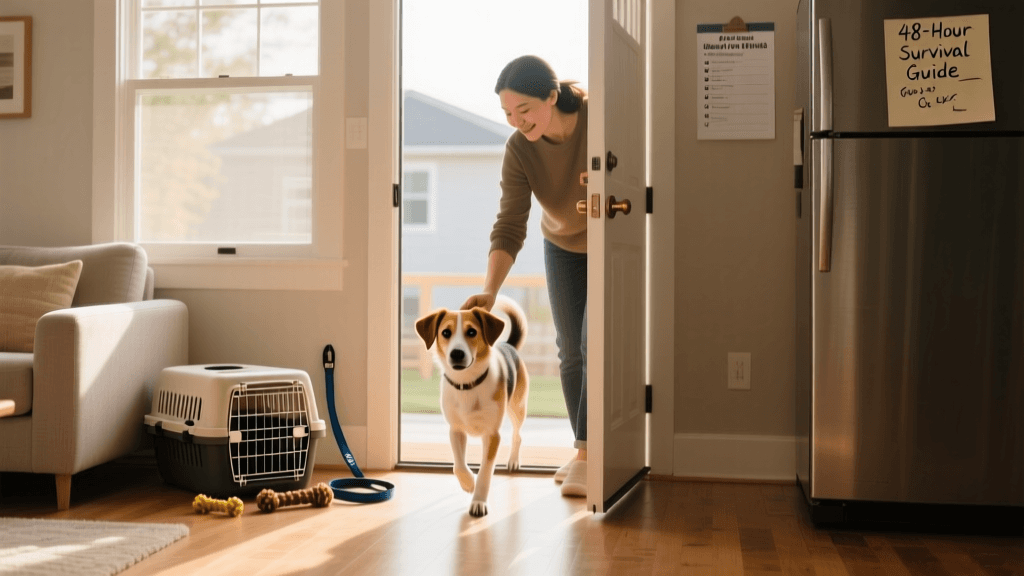
Bringing a new dog or puppy into your home is an exhilarating experience, but it also marks the beginning of a critical learning curve for both you and your canine companion. Without a structured approach, new owners often feel overwhelmed by behavioral quirks, potty accidents, and leash pulling. A well-designed training progression plan transforms chaos into confidence. This guide provides a comprehensive, step-by-step 30-day training progression plan tailored for new dog owners, focusing on decompression, foundational obedience, and environmental socialization.
The 3-3-3 Rule: Understanding Decompression
Before demanding perfect obedience, it is vital to understand the 3-3-3 rule of dog adoption. The first three days are for decompression; your dog may sleep excessively, hide, or test boundaries. The next three weeks are for learning your routine and showing their true personality. Finally, after three months, they begin to feel truly secure and bonded. Training during the first 30 days should prioritize relationship-building, trust, and low-stress acclimation over rigid compliance.
Essential Training Gear Checklist
Success in the first month requires the right tools. Investing in high-quality gear prevents frustration and ensures safety. Expect to spend between $120 and $180 on these foundational items:
- MidWest Homes for Pets iCrate ($45 - $70): A wire crate with a divider panel is essential for potty training and creating a safe den. Choose a size that allows your dog to stand, turn around, and lie down comfortably, but not so large that they can eliminate in one corner and sleep in the other.
- Ruffwear Front Range Harness ($40): This dual-clip harness features a front chest ring that gently discourages pulling without putting pressure on the trachea, making it ideal for Week 2 leash introductions.
- Kong Classic Red Rubber Toy ($15): Stuffable with peanut butter or plain yogurt, this tool is indispensable for crate training and teaching independent settling.
- Zuke's Mini Naturals Training Treats ($8): At just 2 calories per treat, these soft, pea-sized rewards allow for high-repetition training sessions without causing gastrointestinal upset or obesity.
Week 1: Foundation, Potty Training, and Crate Acclimation
The first week is all about management and establishing a predictable routine. Your primary goals are housebreaking and creating a positive association with the crate.
Potty Training Protocol
According to the ASPCA, successful house training relies on strict supervision and a consistent schedule. Take your dog outside every two hours, immediately after meals, and right after waking up. Use a specific verbal cue like "Go potty" while they are eliminating, followed by a high-value treat and enthusiastic praise the second they finish. If an accident happens indoors, clean it with an enzymatic cleaner like Nature's Miracle to completely neutralize the scent.
Crate Acclimation
The Humane Society of the United States emphasizes that a crate should never be used as punishment. Begin by feeding all meals inside the crate with the door open. Toss high-value treats into the back of the crate to encourage voluntary entry. Gradually increase the time the door is closed, starting with just 30 seconds while you sit nearby, and slowly build up to 30 minutes of quiet resting.
Week 2: Basic Cues and Leash Introduction
Once your dog is settling into their routine, introduce basic communication cues. Keep training sessions short—about 5 minutes, three times a day—to prevent mental fatigue.
Teaching Sit and Down
Use a food lure to guide your dog's nose up and back over their head to naturally lower their hindquarters into a sit. For the down cue, lure the nose from a sitting position straight down to the floor, then slowly pull the treat outward along the ground. Fade the food lure after 5 to 10 successful repetitions, replacing it with an empty hand signal and a verbal marker word like "Yes!" before delivering the reward.
Leash Manners
Attach the Ruffwear Front Range harness and a lightweight 6-foot nylon leash. Practice indoors first. Take one step; if the leash remains loose, mark with "Yes!" and deliver a treat at your knee seam. If the dog pulls, become a tree. Stop walking completely and wait for them to look back at you or release the tension before proceeding.
Week 3: Environmental Socialization and Impulse Control
Socialization is not merely about playing with other dogs; it is about teaching your dog to remain neutral and confident in the presence of novel stimuli.
Environmental Exposure
Create a checklist of surfaces (gravel, metal grates, wet grass), sounds (vacuum cleaners, traffic, umbrellas opening), and sights (people wearing hats, bicycles). Expose your dog to these from a distance where they remain under their stress threshold. Pair every novel experience with high-value treats like boiled chicken or freeze-dried liver.
Teaching Leave It
Place a low-value treat in a closed fist. Let your dog sniff and paw at your hand. The moment they pull their nose away, even for a microsecond, mark "Yes!" and reward with a high-value treat from your other hand. This builds the impulse control necessary to prevent them from eating dangerous items on walks.
Week 4: Proofing Behaviors and Expanding Boundaries
Proofing means testing your dog's understanding of cues in increasingly distracting environments. A dog that sits perfectly in your kitchen may completely ignore the cue at a busy park.
The Three Ds: Distance, Duration, and Distraction
Only increase one "D" at a time. If you are asking your dog to hold a down for a longer duration (e.g., 30 seconds), do not simultaneously add the distraction of a bouncing tennis ball. Practice known cues in the front yard, then on the sidewalk, and eventually at a quiet local park. Always carry a higher-value reward when moving to a more challenging environment.
"Training is not about dominating your dog; it is about building a shared language based on mutual trust and clear communication."
30-Day Training Progression Chart
| Timeline | Primary Focus | Daily Time Commitment | Key Milestones | Recommended Gear |
|---|---|---|---|---|
| Week 1 | Decompression & Management | 15 mins (Potty) + 10 mins (Crate) | Crate sleeping, basic potty schedule | iCrate, Enzymatic Cleaner |
| Week 2 | Foundation Cues & Leash | 15 mins (3x 5-min sessions) | Sit, Down, loose leash indoors | Front Range Harness, 6ft Leash |
| Week 3 | Socialization & Impulse | 20 mins (Exposure walks) | Neutral to novel sounds, Leave It | Long line, High-value treats |
| Week 4 | Proofing & Distraction | 20 mins (Outdoor sessions) | Cues in front yard, recall games | Treat pouch, Squeaky toy |
Authoritative Guidelines and Expert Insights
When developing your progression plan, it is crucial to rely on science-based, force-free methodologies. The American Kennel Club (AKC) provides extensive resources on positive reinforcement, emphasizing that reward-based training significantly reduces stress and accelerates learning compared to aversive methods.
Remember that every dog learns at their own pace. Rescue dogs with unknown histories may require extended decompression periods, while puppies may have shorter attention spans but faster neuroplasticity. By following this 30-day progression, utilizing the right gear, and maintaining patience, you lay an unbreakable foundation for a lifetime of companionship and behavioral harmony.
hannah-wickes
All our authors care for dogs every day — read more of their work on the authors page.