Bringing a Winter Puppy Home: Essential Cold-Weather Prep
Learn how to prepare your home and gather essential cold-weather gear for bringing a new puppy home in winter. Stay safe and warm this season!
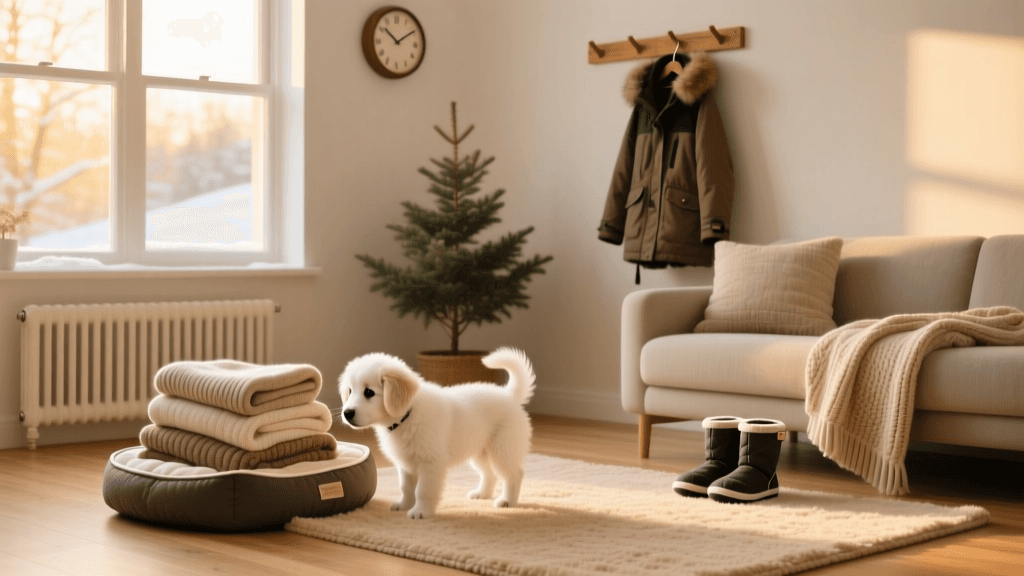
Bringing a new dog or puppy into your family is one of the most rewarding decisions you can make. However, when your adoption or purchase date falls in the middle of winter, the excitement is often accompanied by a unique set of seasonal challenges. Puppies and newly adopted adult dogs are already dealing with the stress of transitioning to a new environment, and adding freezing temperatures, icy sidewalks, and dry indoor air to the mix requires careful preparation. If you are in the process of getting a dog during the colder months, you must adapt your home preparation, gear acquisition, and training strategies to ensure your new companion stays safe, warm, and comfortable.
This comprehensive guide will walk you through everything you need to know about winter-proofing your home, selecting the right cold-weather gear, and managing outdoor potty training when the thermometer drops below freezing.
Winter-Proofing Your Home for a New Arrival
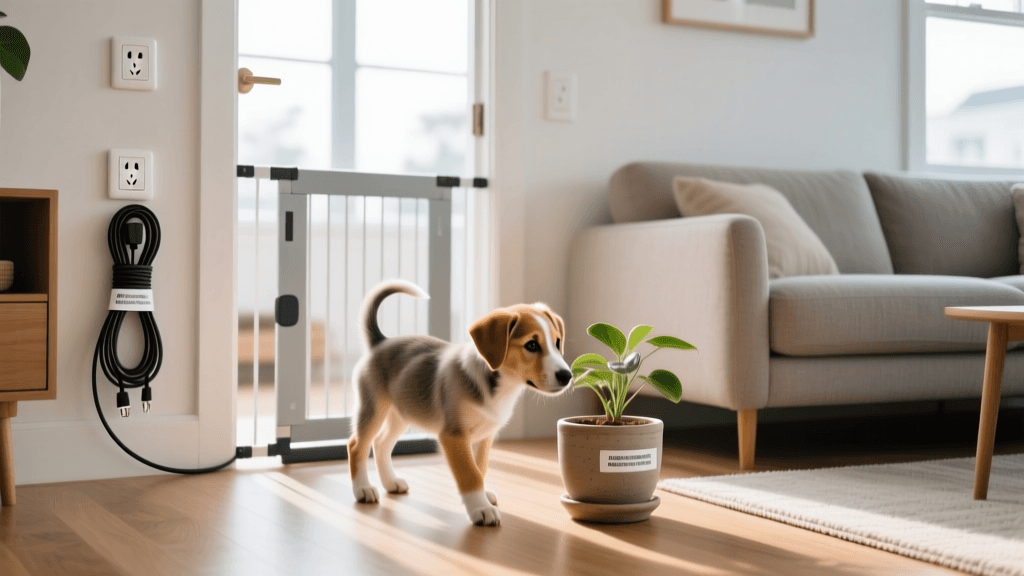
Before your new dog crosses the threshold, you must evaluate your home through a winter-specific lens. The hazards present in a household change drastically when the heating is on and the outdoors is unforgiving.
Managing Heat Sources and Humidity
Space heaters, radiators, and fireplaces are essential for keeping your home warm, but they pose severe burn risks to an inquisitive new puppy. Invest in sturdy, weighted baby gates or specialized fireplace screens to create a physical barrier between your dog and any heat source. Furthermore, winter heating systems drastically reduce indoor humidity. Dry air can lead to itchy skin, flaky dander, and irritated respiratory tracts for both you and your new pet. Consider running a cool-mist humidifier in the rooms where your dog spends the most time, aiming for an indoor humidity level between 30% and 40%.
The Mud and Moisture Station
Winter walks mean wet paws, melted snow, and slush. Before the dog arrives, set up a dedicated 'paw-cleaning station' near your primary entrance. You will need:
- Absorbent Microfiber Towels: Keep at least three dedicated dog towels by the door. Microfiber absorbs water and mud significantly faster than cotton.
- Heavy-Duty Entry Mats: Place a scraper mat outside the door and a waterproof, absorbent rug inside to catch dripping snowmelt.
- Paw Wash Cup: Products like the Dexas MudBuster are excellent for quickly rinsing off salty slush from paws before the dog tracks it across your floors.
Essential Cold-Weather Gear Checklist
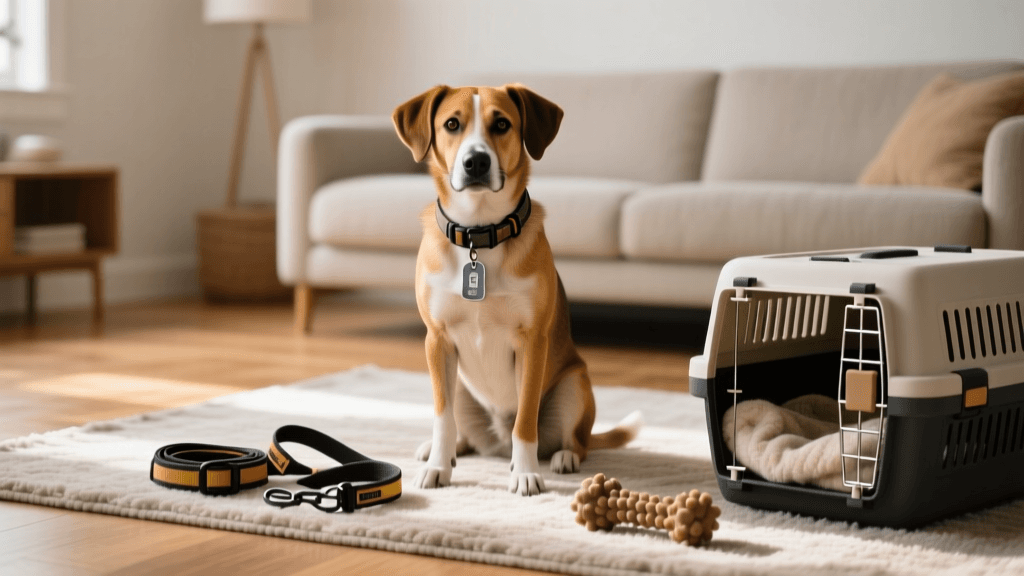
When getting a dog in winter, your shopping list must extend beyond the standard crate, leash, and kibble. Depending on your dog's breed, age, and coat type, cold-weather protection is not a luxury; it is a medical necessity. The American Kennel Club (AKC) notes that while breeds like Siberian Huskies are built for the cold, short-haired breeds, small dogs, and puppies require significant insulation.
Below is a breakdown of the essential winter gear you should have ready before bringing your new dog home:
| Item | Purpose | Estimated Cost | Key Feature to Look For |
|---|---|---|---|
| Insulated Dog Coat | Core body warmth | $40 - $80 | Water-resistant outer shell with fleece lining |
| Paw Protection Wax | Ice and salt barrier | $15 - $25 | 100% natural beeswax base (e.g., Musher's Secret) |
| Dog Booties | Paw insulation & grip | $30 - $60 | Vibram or rubber anti-slip soles (e.g., Ruffwear) |
| Indoor Potty Patch | Emergency blizzard relief | $30 - $50 | Real grass or washable artificial turf with tray |
| Enzymatic Cleaner | Accident cleanup | $12 - $18 | Bio-enzymatic formula to break down urine crystals |
Fitting Your Dog for Winter Apparel
Do not guess your new dog's clothing size. When you bring them home, use a soft measuring tape to record three vital measurements: the base of the neck, the widest part of the chest girth, and the length of the back from the base of the neck to the base of the tail. A properly fitted winter coat, such as the Hurtta Extreme Warmer, should cover the dog's core without restricting shoulder movement or interfering with their ability to eliminate outdoors.
Safe Outdoor Potty Training in Freezing Temps
Potty training is already a rigorous process, but winter weather adds a massive hurdle: puppies hate stepping into cold, wet snow. Many new owners make the mistake of letting the puppy out into a snow-covered yard and wondering why the dog immediately runs back to the door and has an accident inside.
Creating a Designated Potty Zone
Before the snow falls, or immediately after a storm, shovel a clear, designated potty area in your yard. Dogs rely heavily on scent and surface familiarity. If they are forced to wade through two feet of snow to find the grass, they will likely hold it until they return to the warmth of your living room. Always take your new dog to this exact cleared spot on a leash, even if you have a fenced yard, to reinforce the habit.
Time Limits and Positive Reinforcement
According to the ASPCA, pets should be closely monitored outdoors in cold weather, and time outside should be limited to prevent frostbite and hypothermia. For a young puppy, potty breaks in freezing temperatures should be capped at 5 to 10 minutes. Use a high-value treat, like freeze-dried liver, to immediately reward them the second they finish their business, then cheerfully guide them back inside. Never use the outdoors as a 'time-out' or punishment area during the winter.
Toxic Winter Hazards to Anticipate
The decision to get a dog requires a commitment to household safety, and winter introduces highly specific, lethal chemicals into your dog's environment.
- Antifreeze (Ethylene Glycol): Antifreeze has a sweet taste that is highly attractive to dogs, but even a few licks can cause fatal kidney failure. Check your driveway and garage for spills, and opt for pet-safe antifreeze made from propylene glycol instead. The Humane Society of the United States strongly advises keeping all chemical spills cleaned up immediately and storing containers out of reach.
- Ice Melts and Rock Salt: The chemicals used to de-ice public sidewalks (like calcium chloride and sodium chloride) can cause severe chemical burns on your dog's paw pads. Furthermore, when your dog licks their paws clean indoors, they ingest these toxins, leading to vomiting and neurological issues. Always wipe your dog's paws with a warm, damp cloth immediately upon re-entering the house, or use a paw balm like Musher's Secret before going out to create a protective barrier.
- Rodenticides: As temperatures drop, mice and rats seek shelter in homes and garages, leading to an increase in toxic bait usage. Ensure your property is free of these poisons, as they cause internal bleeding or brain swelling in canines.
Adjusting Diet and Indoor Enrichment
While it is true that dogs burn more calories to maintain their body heat in the cold, a new puppy's overall exercise levels usually drop significantly during their first winter. Monitor your dog's body condition score weekly. If they are gaining excess weight due to shortened walks, consult your veterinarian about adjusting their daily caloric intake.
Because outdoor playtime is restricted by the weather, you must compensate with indoor mental enrichment to prevent destructive chewing and anxiety. Invest in puzzle toys like the Kong Classic or Outward Hound's Nina Ottosson puzzle boards. Snuffle mats are also excellent for burning mental energy, forcing your new dog to use their nose to forage for kibble in the warmth of your living room.
Conclusion
Getting a dog in the winter requires foresight, patience, and a well-stocked inventory of cold-weather gear. By winter-proofing your home, utilizing protective paw balms and insulated coats, and maintaining a strict but compassionate potty training routine, you set your new companion up for a lifetime of success. Embrace the cozy moments of puppy cuddles by the fire, and remember that the snow will eventually melt, leaving you with a well-adjusted, happy dog ready to explore the world in the spring.
marcus-aldridge
All our authors care for dogs every day — read more of their work on the authors page.