Fear-Free Graduated Departure for Dog Separation Anxiety 2026
Discover the 2026 Fear-Free graduated departure protocol to cure your dog's separation anxiety using timed intervals, calming cues, and smart monitoring.
Understanding Canine Isolation Distress in 2026
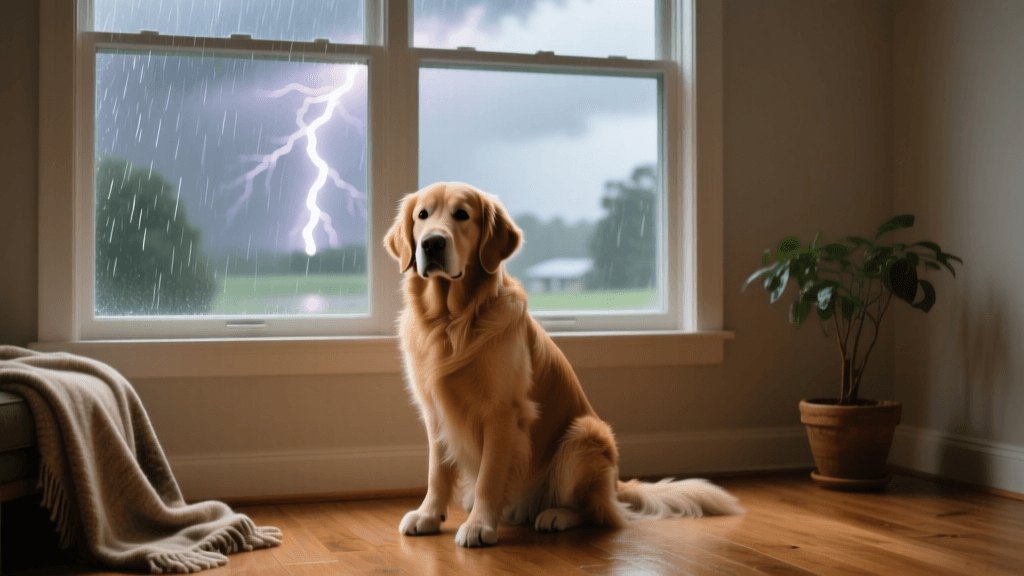
As we navigate the post-pandemic landscape of 2026, veterinary behaviorists are seeing a continued rise in dogs struggling with being left alone. While commonly referred to as separation anxiety, experts now prefer the term 'isolation distress' or 'confinement frustration' to more accurately describe the panic a dog experiences when separated from their primary attachment figure. According to the ASPCA's comprehensive guide on separation anxiety, this condition manifests through destructive behavior, vocalization, inappropriate elimination, and pacing. Understanding that this is a panic response—not spite or boredom—is the critical first step in implementing a successful behavioral modification plan.
The Neurochemistry of Panic: Why Cold-Turkey Crate Training Fails
Historically, outdated training advice suggested letting a dog 'cry it out' in a crate until they stopped. In 2026, veterinary science universally condemns this practice. When a dog with isolation distress is left alone abruptly, their amygdala hijacks their nervous system, flooding their brain with cortisol and adrenaline. This neurochemical state makes learning impossible. The dog is not making a choice to be destructive; they are experiencing a genuine fight-or-flight survival response. The Fear-Free Graduated Departure Protocol is designed to keep the dog under their anxiety threshold, allowing the prefrontal cortex to remain engaged so that new, positive associations with alone time can be formed.
Essential Tools for the 2026 Protocol
Before beginning the protocol, you must gather the right tools to monitor and manage your dog's stress levels. Modern technology has revolutionized how we track canine anxiety.
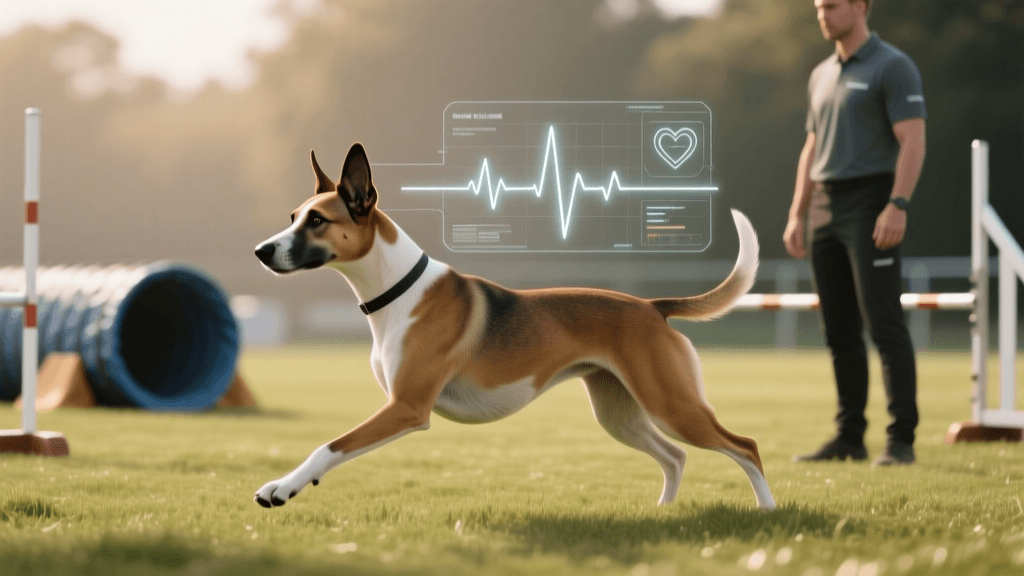
- AI-Powered Pet Cameras: Devices like the Furbo 4 or Petcube Bites 3 utilize advanced 2026 AI algorithms to differentiate between normal movement and stress-induced pacing, sending real-time alerts to your smartphone.
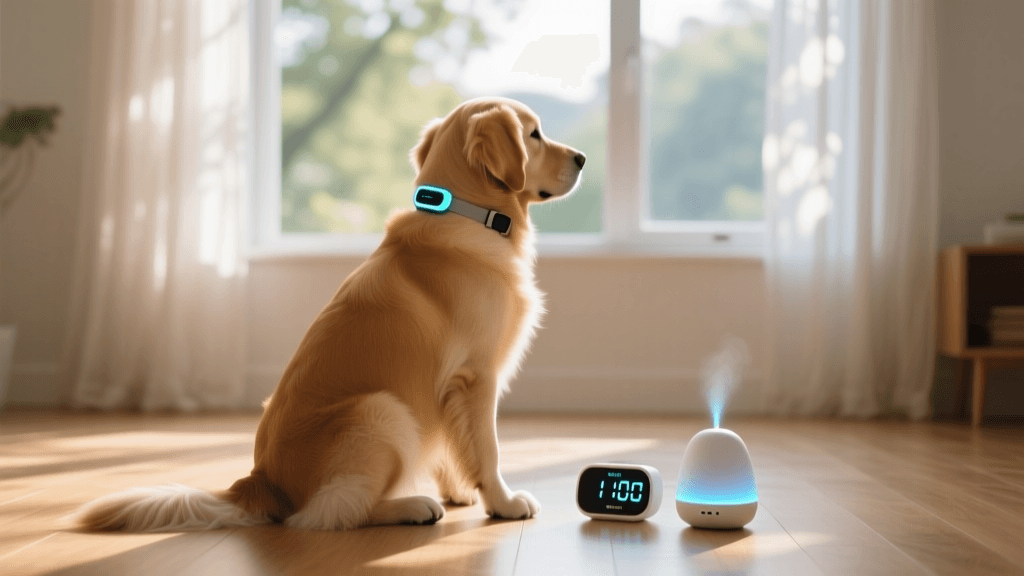
- Biometric Smart Collars: Collars such as the Fi Series 4 or Whistle Go track heart rate variability (HRV) and resting respiratory rates, providing objective data on your dog's physiological stress levels while you are away.
- High-Value Food Puzzles: Lick mats, frozen Kongs, and snuffle boxes are essential for creating a positive emotional response to your departure.
- Calming Pheromones: Plug-in diffusers like Adaptil Calm Home mimic the maternal dog-appeasing pheromones to create a baseline of environmental security.
Step-by-Step Graduated Departure Implementation
The core of the Fear-Free methodology relies on systematic desensitization. This means breaking the act of leaving into microscopic steps and only progressing when the dog remains entirely relaxed.
Phase 1: Desensitizing Pre-Departure Cues
Dogs are masters of pattern recognition. Long before you walk out the door, your dog knows you are leaving based on subtle cues: picking up your keys, putting on your shoes, or grabbing your coat. Phase 1 involves decoupling these actions from the actual departure. Over the course of two weeks, perform these actions randomly throughout the day without actually leaving. Pick up your keys, then sit on the couch and read a book. Put on your coat, then make a cup of coffee. By doing this, you strip the predictive power from these triggers, lowering your dog's baseline anxiety before you even approach the door.
Phase 2: The Threshold Game
Once your dog no longer reacts to pre-departure cues, you move to the door. The goal is to make the door opening and closing a boring, non-event. Touch the doorknob and walk away. Open the door one inch and close it. Open the door fully, step one foot out, step back in, and close it. Reward your dog with high-value treats for remaining calm and stationary on their designated mat. If your dog paces, whines, or breaks their stay, you have moved too fast and must return to an easier step.
Phase 3: Timed Absences and the Core Protocol
This is where the actual time away is introduced. You will leave the house, but you must return before your dog shows any signs of distress. According to VCA Animal Hospitals' clinical overview of isolation distress, returning while the dog is still calm prevents the reinforcement of panic behaviors. You must use your AI camera to monitor your dog remotely. If they pace or vocalize, you must wait for a brief moment of calm before re-entering, so you do not accidentally reward the panic response.
The Timed Absence Schedule
Progression through this schedule is rarely linear. Some dogs may master the first five steps in a day, while taking three weeks to move from five minutes to ten minutes. Always let your dog's body language dictate the pace.
| Step | Duration | Action | Success Metric (Via Camera) |
|---|---|---|---|
| 1 | 1 Second | Step out, close door, immediately return. | Dog remains on mat, no vocalization. |
| 2 | 5 Seconds | Step out, close door, count to 5, return. | Dog remains relaxed, ears neutral. |
| 3 | 30 Seconds | Step out, lock door, wait 30 seconds. | Dog engages with food puzzle or rests. |
| 4 | 1 Minute | Step out, walk down the driveway. | Heart rate (via smart collar) remains at resting baseline. |
| 5 | 5 Minutes | Leave property, sit in your car. | No pacing, no door scratching. |
| 6 | 15 Minutes | Drive around the block. | Dog is sleeping or calmly chewing a toy. |
| 7 | 30 Minutes | Run a quick local errand. | AI camera reports zero stress-alert events. |
| 8 | 1 Hour | Leave for a standard appointment. | Sustained resting state for 80% of the absence. |
| 9 | 2 Hours | Extended absence. | Normal settling behavior upon departure. |
| 10 | 4+ Hours | Standard workday absence. | Dog demonstrates complete environmental comfort. |
Integrating 2026 Smart Tech for Real-Time Threshold Tracking
The biggest challenge of the graduated departure protocol is knowing exactly when your dog crosses their anxiety threshold. In the past, owners had to rely on coming home to destroyed furniture or neighbor complaints. Today, 2026 smart home ecosystems allow for proactive intervention. By linking your biometric smart collar to your AI pet camera, you can set up automated routines. For example, if your dog's heart rate spikes above 110 BPM while you are at Step 4 (5 minutes), the camera can automatically dispense a calming treat and play a pre-recorded audio clip of your voice reading a book in a soothing tone. This technological safety net ensures that your dog is never left in a state of unmitigated panic, which is crucial for preventing the sensitization of the fear response.
When to Consult a Veterinary Behaviorist
It is vital to recognize that behavioral modification alone is sometimes insufficient for severe cases of isolation distress. If your dog is injuring themselves trying to escape confinement, or if they are entirely unable to eat high-value treats when you begin the pre-departure phase, it is time to consult a board-certified veterinary behaviorist. In 2026, the standard of care for severe separation anxiety often involves a combination of psychopharmacology and behavior modification. Medications such as Fluoxetine (Prozac), Clomipramine, or fast-acting situational medications like Trazodone can help lower the dog's baseline anxiety enough for the graduated departure protocol to actually work. Medication is not a failure of training; it is a necessary tool to balance the neurochemistry required for learning.
Conclusion
Treating isolation distress requires immense patience, consistency, and empathy. The Fear-Free Graduated Departure Protocol is not a quick fix, but rather a structured, scientifically backed roadmap to helping your dog feel safe in their own home. By leveraging modern 2026 smart technology to monitor stress levels and strictly adhering to sub-threshold training steps, you can rebuild your dog's confidence and transform alone time from a source of terror into a period of peaceful rest.
beth-carrasco
All our authors care for dogs every day — read more of their work on the authors page.