Decoding Canine Stress Signals in Agility Competitions 2026
Learn to decode canine stress signals in agility competitions. Discover 2026 biometric tracking, body language cues, and decompression protocols.
The Psychology of Arousal in Dog Sports
Dog agility is a thrilling testament to the bond between human and canine, requiring split-second communication, physical prowess, and deep mutual trust. However, the high-stakes environment of agility trials can easily push a dog's nervous system into overdrive. In the 2026 agility season, organizations and sports medicine veterinarians have placed an unprecedented emphasis on canine welfare, shifting the focus from pure speed to sustainable, stress-free performance. Understanding the fine line between 'eustress' (positive arousal or drive) and 'distress' (negative anxiety) is the most critical skill a modern handler can develop.
According to the Yerkes-Dodson law of psychology, performance improves with physiological or mental arousal, but only up to a certain point. When a dog's arousal levels exceed their individual threshold, cognitive function declines, and stress behaviors emerge. Handlers often misinterpret frantic, high-speed movements as 'drive,' when in reality, the dog may be exhibiting a flight-or-fight response. To truly understand your dog's experience on the course, you must learn to read the subtle micro-expressions and body language cues that indicate cognitive overload.
Identifying Distress vs. Drive on the Course
Distinguishing between a dog who is happily engaged and a dog who is merely coping requires keen observation. While both states involve elevated heart rates and fast movements, the underlying biomechanics and facial expressions differ significantly. The ASPCA's guide to canine body language highlights that tension in the commissures (corners of the mouth) and the whites of the eyes are primary indicators of internal conflict.
| Physical Indicator | High Drive (Eustress) | High Stress (Distress) |
|---|---|---|
| Facial Tension | Open, relaxed mouth; 'soft' eyes; ears forward or relaxed. | Tight commissures; 'whale eye' (showing whites); ears pinned flat. |
| Body Posture | Loose, fluid spine; bouncy gait; weight evenly distributed. | Stiff, rigid spine; frantic or choppy movements; weight shifted back. |
| Tail Carriage | Relaxed, sweeping wag or neutral carriage aligned with spine. | High and stiff (flagging) or tucked tightly against the abdomen. |
| Obstacle Approach | Eager, focused on the handler's cues, fluid stride adjustment. | Hesitant, leaping too early/late, avoiding eye contact with handler. |
| Vocalization | Rhythmic barking, quiet anticipation. | High-pitched, frantic screaming, whining, or sudden silence. |
Subtle Displacement and Appeasement Signals
When a dog experiences conflicting emotions—such as the desire to please the handler clashing with the fear of a loud environment or a challenging obstacle like the A-frame—they will often exhibit displacement behaviors. These are normal behaviors performed out of context. In 2026, top-tier agility judges and handlers are highly attuned to these signals, recognizing them as a plea for emotional support rather than disobedience.
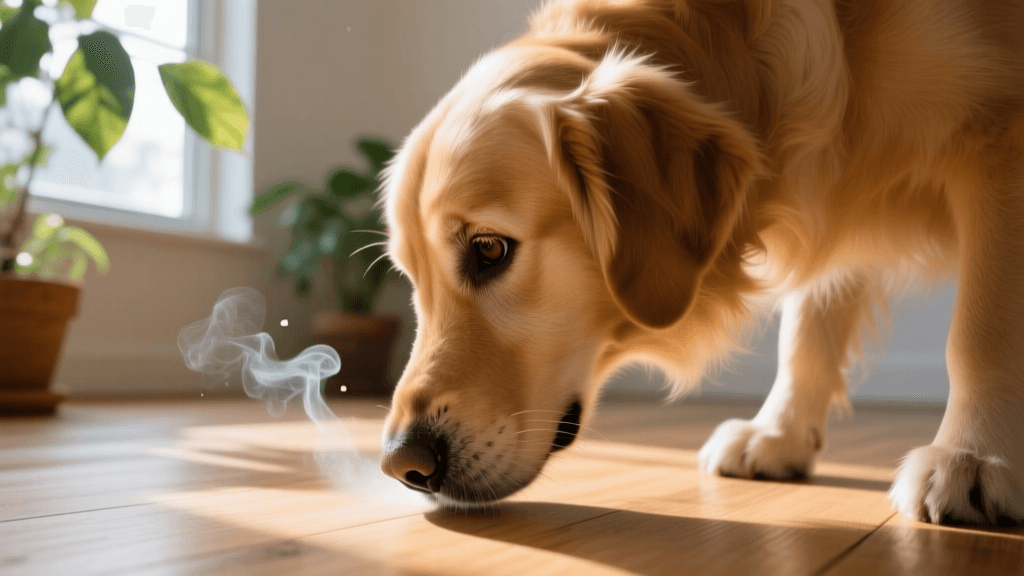
- Ground Sniffing: If your dog suddenly stops to intensely sniff the turf before entering the weave poles, they are not being defiant. Sniffing is a self-soothing mechanism that lowers the canine heart rate.
- Sudden Scratching or Biting: A dog that abruptly stops to scratch their neck or bite at their flanks is experiencing a surge of nervous energy and is attempting to physically discharge the tension.
- Yawning and Lip Licking: When not tired or eating, repetitive lip licking and exaggerated yawning are classic appeasement signals indicating the dog is feeling pressured or overwhelmed by the handler's body language.
- Shake-Offs: A full-body shake, as if wet, is a physiological reset button. Dogs do this to literally 'shake off' adrenaline after a stressful interaction or a difficult sequence on the course.
The Impact of Handler Anxiety on Canine Cortisol
Understanding your dog also means understanding how your own psychology affects them. Dogs are masters of emotional contagion. If you are nervous about qualifying, your breathing becomes shallow, your muscles tense, and your leash handling becomes rigid. Your dog reads these biomechanical shifts instantly. Studies in canine sports medicine show that a handler's elevated cortisol levels can directly trigger a sympathetic nervous system response in their dog, even before the dog steps up to the start line. Practicing mindfulness, deep diaphragmatic breathing, and maintaining a relaxed posture are not just for your benefit—they are critical welfare interventions for your canine partner.
2026 Biometric Tracking for Canine Athletes
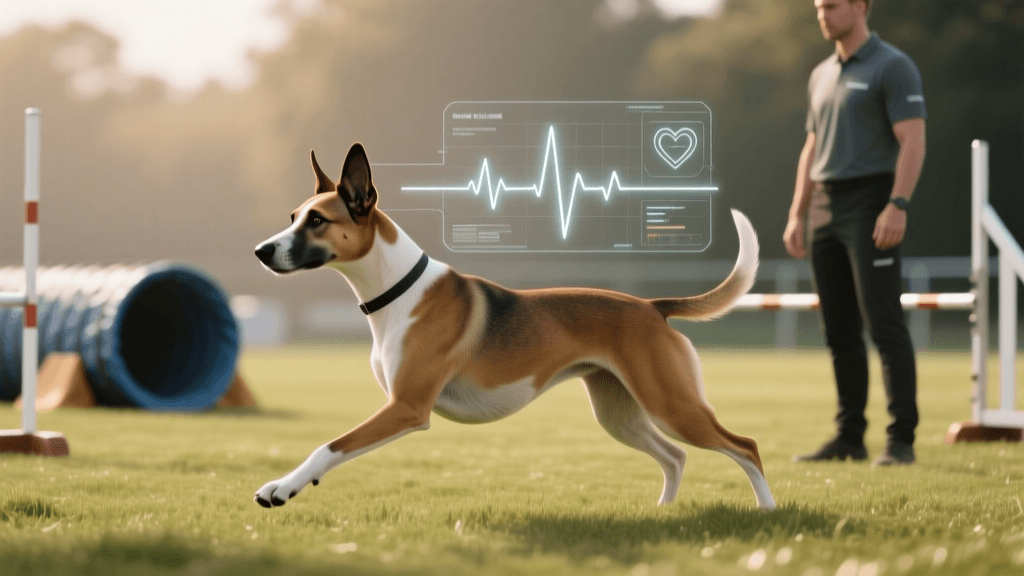
The integration of wearable technology in dog sports has revolutionized how we understand canine stress. In 2026, biometric harnesses equipped with ECG-grade sensors, such as the latest iterations of the Polar Canine HR system and Garmin's advanced telemetry vests, allow handlers to track Heart Rate Variability (HRV) in real-time. HRV is the variation in time between consecutive heartbeats and is a primary indicator of autonomic nervous system balance.
A high HRV indicates a relaxed, adaptable dog dominated by the parasympathetic (rest and digest) nervous system. A sudden, prolonged drop in HRV indicates sympathetic (fight or flight) dominance and high stress. By establishing a baseline HRV for your dog at home, you can use biometric data at trials to know exactly when your dog needs a break, long before physical stress signals become obvious to the naked eye. For comprehensive rules on how technology and welfare intersect in modern trials, handlers should always consult the American Kennel Club Agility Guidelines, which continually update their welfare standards to reflect the latest veterinary science.
Actionable Decompression Protocols Post-Run
What happens immediately after a run is just as important as the run itself. If a dog finishes a course in a state of high arousal or distress, putting them directly into a quiet crate can sometimes lead to 'crating frustration' or prolonged cortisol circulation. Implementing a structured decompression protocol helps the dog's nervous system return to baseline safely.
The 15-Minute Sniffari Protocol
Instead of immediately crating, take your dog to a designated 'quiet zone' away from the main rings for a 10 to 15-minute decompression walk. Use a long line (15-20 feet) and a comfortable, non-restrictive harness. Allow the dog to lead the way and sniff extensively. Sniffing engages the canine olfactory bulb, which has direct neural pathways to the limbic system (the brain's emotional center). This active processing of environmental scents acts as a natural sedative, rapidly lowering the heart rate and reducing circulating stress hormones.
Sensory Management in the Crate
Once the dog's breathing has returned to normal and they have exhibited a full-body shake-off or relaxed stretching, transition them to their crate. In the noisy environment of a 2026 agility trial, sensory management is vital:
- Visual Barriers: Use a breathable, dark-colored crate cover to block visual stimulation from moving dogs and crowds.
- Auditory Masking: Place a portable white noise machine (like the LectroFan Micro) near the crate to drown out sudden barks and PA system announcements.
- Olfactory Support: Utilize synthetic canine appeasing pheromones (such as Adaptil Transport spray) on the dog's bedding 20 minutes prior to crating to promote a sense of security.
Conclusion: Welfare Over Ribbons
Ultimately, the goal of dog agility is to celebrate the joy of movement and the partnership between human and dog. By learning to decode the subtle stress signals your dog displays, utilizing modern biometric data, and prioritizing post-run decompression, you ensure that your dog remains a willing, happy athlete. In 2026, the most successful competitors are not necessarily those with the fastest times, but those who possess the deepest understanding of their dog's psychological and emotional needs. Listen to what your dog's body is telling you, and let that understanding guide your journey on the course.
jonas-cole
All our authors care for dogs every day — read more of their work on the authors page.