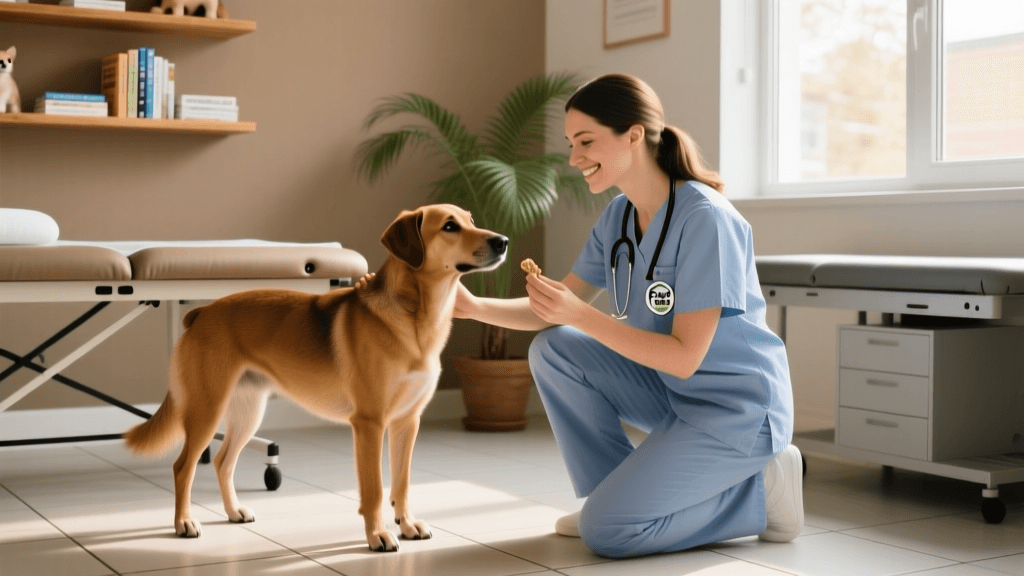
Cooperative Vet Care For Dogs: 2026 Bonding & Trust Guide
Learn how cooperative veterinary care and Fear Free handling techniques build deep trust, reduce stress, and strengthen your bond with your dog in 2026.
The 2026 Shift to Cooperative Canine Care
As we navigate through 2026, the landscape of veterinary medicine and canine behavioral science has undergone a profound and necessary transformation. The outdated paradigm of physically restraining a terrified dog for routine medical procedures has been largely replaced by a more empathetic, science-backed approach: cooperative care. Also known as consent-based handling, cooperative care empowers dogs to actively participate in their own healthcare routines. Rather than being pinned down for nail trims, ear cleanings, or vaccinations, dogs are taught to offer specific behaviors that signal their willingness to proceed. If the dog becomes overwhelmed, they can use an "opt-out" behavior to pause the procedure without facing any punishment or forced compliance.
For dog owners, this shift is not just about making veterinary visits easier; it is one of the most powerful relationship-building tools available. When you advocate for your dog’s emotional well-being and give them a voice in their physical handling, you transition from being a source of unpredictable stress to a trusted protector. This guide will explore how implementing cooperative care techniques at home can dramatically deepen your bond, reduce canine anxiety, and align with the gold standards of modern veterinary behaviorism.
Why Consent-Based Handling Deepens the Human-Canine Bond
The psychological benefits of cooperative care are rooted in neurobiology. When a dog is forcibly restrained, their brain floods with cortisol and adrenaline, triggering a fight, flight, or freeze response. In this state, learning is impossible, and the dog associates the handler (and the veterinary clinic) with profound fear. Conversely, when a dog is given agency and choices, their brain releases dopamine and oxytocin—the neurotransmitters associated with reward, learning, and social bonding.
By practicing consent-based handling, you are actively wiring your dog’s brain to associate your presence with safety and predictability. According to the American Veterinary Society of Animal Behavior (AVSAB), positive reinforcement and force-free handling are critical for maintaining animal welfare and preventing behavioral fallout. When your dog realizes that they can communicate a "no" and that you will respect it, their baseline anxiety drops significantly. This mutual communication fosters a profound level of trust that translates into every other aspect of your relationship, from off-leash reliability to relaxed cuddling on the couch.
Essential Tools for Your 2026 Training Kit
To successfully implement cooperative care, you need the right environment and equipment. The market in 2026 offers several excellent tools designed specifically to reduce sensory overload and promote focus:
- Adaptil Optimum Diffusers: The latest generation of synthetic canine appeasing pheromones helps create a baseline of calm in your training room, signaling safety to your dog’s olfactory system.
- Dremel PawControl 7760: Nail trimming is a common trigger for handling sensitivity. This 2026 model is engineered with advanced sound-dampening technology, making it significantly quieter and less vibration-heavy than older rotary tools, preventing acoustic startle responses.
- Karen Pryor Clicker Training Target Sticks: A telescopic target stick with a ball on the end is invaluable for teaching dogs to move their bodies into specific positions voluntarily, without the need for physical luring or pushing.
- Non-Slip Yoga Mats: Providing a dedicated, high-traction surface gives dogs the physical confidence to hold stationary positions, like a chin rest or a lateral lie-down, without fear of slipping.
- High-Value Lick Mats: Spreading wet food or bone broth on a textured silicone lick mat and freezing it provides a long-lasting, soothing distraction that encourages parasympathetic nervous system engagement (rest and digest).
Step-by-Step Consent Exercises for Home Practice
Building cooperative care is a gradual process that requires patience, high-value rewards, and a commitment to honoring your dog’s boundaries. Here are three foundational exercises to practice at home.
1. The Chin Rest (For Eye, Ear, and Dental Checks)
The chin rest is arguably the most versatile cooperative care behavior. It is used for administering eye drops, cleaning ears, examining teeth, and even drawing blood from the jugular vein.
How to teach it: Sit in front of your dog with a treat in one hand and your other hand held out flat, palm up. Wait for your dog to investigate your hand. The moment their chin makes contact with your palm, mark the behavior with a clicker or a verbal "yes" and deliver the treat. Gradually increase the duration your dog must keep their chin on your hand before receiving the reward. Once the behavior is solid, you can transition your hand to a specialized chin rest stool or a rolled-up towel on a table. The rule of consent: if the dog lifts their head, the procedure stops immediately. They must voluntarily return their chin to the target to resume.
2. The Paw Target (For Stress-Free Nail Trims)
Instead of grabbing your dog’s paw and risking a defensive reaction, teach them to place their paw onto a designated target on their own terms.
How to teach it: Place a small silicone mat or a textured coaster on the ground. Lure or shape your dog to place one front paw onto the mat. Mark and reward heavily. Once they are confidently targeting the mat, introduce the Dremel PawControl 7760 while it is turned off, rewarding them for keeping their paw on the mat while the tool touches their nail. Slowly introduce the sound and vibration in micro-sessions. If your dog pulls their paw away, do not chase them with the tool. Simply pause, reset, and ask for the paw target again. This teaches the dog that they control the pace of the grooming session.
3. The Bucket Game (For Full-Body Exams and Injections)
Popularized by animal behaviorist Chirag Patel, the Bucket Game is a brilliant consent protocol for full-body handling, vaccinations, and complex grooming.
How to teach it: Place a bucket or a sturdy stool in front of your dog. Train them to place their front paws on the bucket and focus on a lick mat or treat bowl directly in front of them. As long as the dog remains in this position and is eating, you may gently touch their sides, back, or hindquarters. If the dog steps off the bucket, stops eating, or turns their head away, all handling ceases instantly. The dog learns that staying at the bucket and eating keeps the handling gentle and predictable, and they have the absolute power to end the session simply by stepping away.
Traditional Restraint vs. Cooperative Care
Understanding the stark contrast between historical methods and modern consent-based care highlights why the latter is superior for long-term behavioral health and bonding.
| Aspect of Care | Traditional Restraint (Outdated) | Cooperative Care (2026 Standard) |
|---|---|---|
| Canine Agency | None; dog is physically overpowered. | High; dog can opt-out or pause the procedure. |
| Stress Hormones | Spikes in cortisol and adrenaline. | Maintains baseline; promotes oxytocin release. |
| Owner-Dog Bond | Damaged; dog associates owner with betrayal/fear. | Strengthened; dog views owner as an advocate. |
| Future Vet Visits | Progressively worse; learned helplessness or aggression. | Progressively easier; dog builds positive associations. |
| Safety for Staff | High risk of fear-based biting or scratching. | Low risk; dog is relaxed and cooperative. |
Decoding Canine Consent and Stress Signals
A critical component of cooperative care is the handler’s ability to read subtle canine body language. A dog may not always physically run away when they are uncomfortable; they often use subtle appeasement or displacement signals to communicate distress. According to resources provided by the American Kennel Club (AKC), recognizing these early warning signs is essential for preventing behavioral escalation.
Watch for the following "yellow light" signals during your handling sessions:
- Lip Licking and Yawning: When not related to food or tiredness, these are classic displacement behaviors indicating cognitive stress or discomfort.
- Whale Eye: When the dog turns their head slightly away but keeps their eyes fixed on you, showing the whites of their eyes (sclera).
- Freezing: A sudden cessation of movement or panting. This is a severe warning sign that the dog is overwhelmed and may bite if the pressure continues.
- Ear Pinning and Tail Tucking: Clear indicators of fear and a desire to increase distance from the stressor.
If you observe any of these signals during a chin rest or bucket game, immediately stop handling, remove the medical tool, and reward the dog for communicating their boundary. Respecting these subtle signals is the ultimate proof to your dog that their voice matters.
Aligning with Veterinary Behavior Standards
Practicing cooperative care at home perfectly complements the Fear Free Pets initiative, which has become the benchmark for veterinary clinics worldwide in 2026. Fear Free certified veterinarians rely on owners to prepare their dogs for clinic visits using these exact consent-based protocols. When you arrive at the clinic with a dog who already understands how to perform a chin rest for a blood draw or a paw target for a temperature check, the veterinary team can work efficiently and gently, minimizing the time your dog spends in a clinical environment.
Furthermore, the AVSAB strongly advocates for force-free handling, noting that punishment-based restraint or "flooding" (forcing an animal to endure a fear-inducing stimulus until they stop reacting) leads to long-term psychological damage and compromised immune function. By choosing cooperative care, you are aligning your home practices with the highest ethical and scientific standards in modern veterinary medicine.
Final Thoughts on Lifelong Trust
Bonding with your dog is not just about playing fetch or going for long hikes; it is fundamentally about how you support them when they are vulnerable. Medical care and grooming are inherently invasive, but they do not have to be traumatic. By embracing the cooperative care movement in 2026, you are giving your dog the gift of autonomy. You are teaching them that their body belongs to them, and that you are a partner in their health, not an enforcer of their discomfort. The time you invest in teaching a chin rest or a bucket game will pay dividends in the form of a deeply secure, resilient, and trusting relationship that will last your dog’s entire lifetime.
marcus-aldridge
All our authors care for dogs every day — read more of their work on the authors page.