Omega-3 Fatty Acids for Dogs: Joint & Brain Health Guide
Discover how Omega-3 fatty acids improve your dog's joint mobility and cognitive function. Learn dosages, top sources, and practical feeding tips.

Introduction: The Hidden Imbalance in Modern Canine Diets
When it comes to canine nutrition, the conversation often revolves around protein sources and carbohydrate limits. However, one of the most critical yet overlooked aspects of a dog's diet is the balance of essential fatty acids. In the wild, canines consumed a diet with an Omega-6 to Omega-3 ratio of roughly 2:1 to 5:1. Today, the average commercial kibble relies heavily on poultry fat, corn oil, and soybean oil, pushing that ratio to an inflammatory 15:1 or even 20:1. This profound imbalance sets the stage for chronic inflammation, accelerating joint degeneration and impairing cognitive function. By strategically integrating high-quality Omega-3 fatty acids into your dog's daily regimen, you can actively combat this dietary deficit, offering profound therapeutic benefits for both their physical mobility and neurological health.
The Biochemical Breakdown: Why Source Matters
Not all Omega-3s are created equal. The three primary types of Omega-3 fatty acids are Alpha-linolenic acid (ALA), Eicosapentaenoic acid (EPA), and Docosahexaenoic acid (DHA). ALA is primarily found in plant-based sources like flaxseed, chia seeds, and hemp. While ALA is an essential fatty acid, dogs lack the sufficient hepatic enzymes required to efficiently convert ALA into the biologically active forms, EPA and DHA. Studies indicate that the conversion rate in canines is often less than 10%, and sometimes as low as 2%.
Because of this metabolic bottleneck, supplementing your dog with flaxseed oil will yield minimal anti-inflammatory benefits. According to the Tufts University Cummings Veterinary Medical Center, marine-based sources are mandatory for achieving therapeutic results in dogs. EPA and DHA, found abundantly in cold-water fish, krill, and marine algae, bypass the need for conversion and are directly utilized by the body to modulate inflammatory pathways and build cellular structures.
Deep Dive: Omega-3s and Canine Osteoarthritis
Osteoarthritis (OA) is a degenerative joint disease affecting an estimated 20% to 40% of the general dog population, and up to 80% of senior dogs. The pain and stiffness associated with OA are driven by inflammatory mediators, specifically prostaglandins and leukotrienes, which are synthesized from arachidonic acid (an Omega-6 fatty acid) via the cyclooxygenase (COX) enzyme pathway.
This is where EPA becomes a powerful therapeutic agent. EPA competes directly with arachidonic acid for the COX enzymes. When EPA wins this competition, it results in the production of prostaglandins that are significantly less inflammatory. Over time, a high-EPA diet literally alters the lipid composition of the dog's cell membranes, reducing the baseline level of joint inflammation. Furthermore, EPA has been shown to down-regulate the expression of matrix metalloproteinases (MMPs), the very enzymes responsible for degrading articular cartilage in arthritic joints.
For dogs suffering from OA, Omega-3 supplementation is not just a supportive measure; it is a foundational pillar of pain management. When combined with traditional NSAIDs or alternative therapies like gabapentin and acupuncture, high-dose EPA can often allow veterinarians to lower the dosage of pharmaceutical pain relievers, thereby reducing the long-term risk of gastrointestinal and hepatic side effects. The American Kennel Club (AKC) widely recognizes fish oil as a top-tier supplement for supporting joint health and improving mobility in aging dogs.
Cognitive Support: From Puppyhood to Senior Years
While EPA is the undisputed king of joint health, DHA is the master architect of the brain. The mammalian brain is nearly 60% fat, and DHA is the most abundant Omega-3 fatty acid found in the cerebral cortex. During puppyhood, DHA is critical for proper neurological development, retinal function, and cognitive trainability. Puppies weaned from their mother's milk lose their primary natural source of DHA, making supplementation during the first 12 to 16 months of life highly beneficial for behavioral training and sensory development.
In senior dogs, DHA plays a vital role in mitigating Canine Cognitive Dysfunction Syndrome (CCDS), a condition analogous to Alzheimer's disease in humans. CCDS is characterized by neuronal loss, the accumulation of beta-amyloid plaques, and increased oxidative stress in the brain. DHA helps maintain neuronal membrane fluidity, facilitates neurotransmitter signaling, and possesses inherent neuroprotective properties. While Omega-3s cannot cure CCDS, a diet rich in DHA, often combined with medium-chain triglycerides (MCTs) and antioxidant-rich botanicals, has been clinically shown to slow the progression of cognitive decline, improving spatial awareness and reducing nighttime pacing in geriatric dogs.
Practical Sourcing: Which Supplement is Best?
Walking down the supplement aisle can be overwhelming. Here is a practical breakdown of the most common Omega-3 sources for dogs, including costs and efficacy:
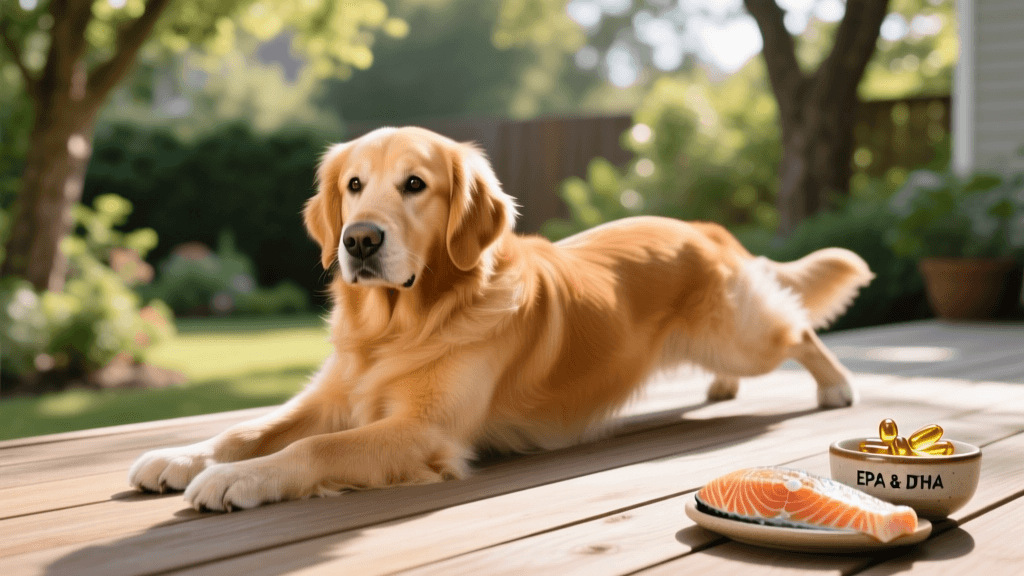
- Wild Alaskan Salmon Oil: The gold standard for general health. It provides a robust balance of EPA and DHA. Ensure it is wild-caught, as farmed salmon often contains higher levels of contaminants and lower Omega-3 profiles. Cost: $15 to $25 for a 16oz pump bottle.
- Krill Oil: Harvested from Antarctic crustaceans, krill oil binds its Omega-3s to phospholipids rather than triglycerides, which some studies suggest enhances cellular absorption. It also naturally contains astaxanthin, a potent antioxidant that protects the oil from rancidity. Cost: $25 to $40 for 16oz.
- Algal Oil: An excellent, sustainable, vegan alternative. Algae is where fish get their Omega-3s in the first place. Algal oil is exceptionally high in DHA, making it ideal for cognitive support and puppies. Cost: $20 to $35 for 16oz.
- Cod Liver Oil (Warning): While rich in Omega-3s, cod liver oil is dangerously high in fat-soluble Vitamins A and D. Long-term daily use at therapeutic Omega-3 doses can lead to severe hypervitaminosis A and D toxicity. Always choose 'body oils' (like salmon or sardine oil) over 'liver oils' for daily canine supplementation.
Dosing Guidelines and Cost Breakdown
Dosing Omega-3s is not a one-size-fits-all scenario. The required dosage depends heavily on your dog's weight and whether you are aiming for general maintenance or targeting a specific therapeutic outcome like severe osteoarthritis. Formulating a balanced diet requires adherence to standards like those outlined by the World Small Animal Veterinary Association (WSAVA), which emphasizes calculating nutrients based on metabolic body weight rather than just linear weight.
Below is a practical dosing chart. Note that 'Therapeutic Doses' should be introduced gradually over 2 to 3 weeks to avoid gastrointestinal upset, and should ideally be discussed with your veterinarian.
| Dog Weight (lbs) | Maintenance Dose (EPA+DHA) | Therapeutic Dose (Joint/Brain) | Est. Monthly Cost (Salmon Oil) |
|---|---|---|---|
| 10 - 25 | 150 - 300 mg | 500 - 800 mg | $8 - $12 |
| 26 - 50 | 300 - 600 mg | 800 - 1,200 mg | $12 - $18 |
| 51 - 80 | 600 - 900 mg | 1,200 - 1,800 mg | $18 - $25 |
| 81 - 110+ | 900 - 1,200 mg | 1,800 - 2,500+ mg | $25 - $35 |
Pro-Tip: Always check the supplement label for the specific EPA and DHA concentrations per pump or capsule, not just the 'Total Fish Oil' volume. A 1000mg capsule of fish oil may only contain 300mg of combined EPA/DHA.
Safety Precautions, Storage, and Administration
Because Omega-3s are highly reactive polyunsaturated fats, they are incredibly susceptible to oxidation. When fish oil oxidizes, it turns rancid, losing its anti-inflammatory properties and actually introducing harmful free radicals into your dog's body. To prevent this, always purchase oils packaged in dark, opaque bottles that block UV light. Once opened, liquid fish oil must be stored in the refrigerator and used within 60 to 90 days. If the oil smells sharply metallic, overwhelmingly fishy, or sour, discard it immediately.
When administering the supplement, timing is everything. Omega-3s are fat-soluble, meaning they require dietary fat to stimulate bile release for proper absorption in the small intestine. Always administer the oil or capsule alongside your dog's largest, most fat-dense meal of the day. If you are using a liquid pump, dispense it directly over the kibble and stir it in to ensure complete consumption and to coat the dry food, which can also entice picky eaters.
Finally, remember that fats are calorically dense (9 calories per gram). If you are adding a tablespoon of salmon oil to your dog's bowl daily, you are adding roughly 120 calories to their intake. To prevent unwanted weight gain—which would directly counteract the joint-relieving benefits of the Omega-3s—you must proportionally reduce their daily kibble ration to accommodate the supplemental calories.
jonas-cole
All our authors care for dogs every day — read more of their work on the authors page.