Best Puppy Breeds for Remote Workers in 2026: WFH Wellness Guide
Discover the best puppy breeds for remote workers in 2026. Learn WFH wellness routines, separation anxiety prevention, and top health tips for your dog.
The Intersection of Remote Work and Canine Wellbeing
The modern home office of 2026 is a sanctuary of productivity, but for many remote workers, it has also become a nursery for a new puppy. As fully remote and flexible hybrid work models have become permanently entrenched this year, the demand for canine companionship has surged. However, blending Zoom calls with potty breaks requires strategic breed selection and a rigorous wellness routine. Choosing the right puppy is not just about aesthetics or size; it is fundamentally about matching a dog's neurological and physiological needs with your home-office lifestyle. A poorly matched breed can lead to chronic stress, destructive behavior, and severe anxiety for both the dog and the owner.
Why Breed Selection Impacts Canine Mental Health
When you work from home, your puppy becomes accustomed to your constant presence. This can inadvertently set the stage for severe separation anxiety when you eventually leave for corporate retreats, vet visits, or social outings. According to the ASPCA, separation anxiety is one of the most prevalent behavioral and mental health issues in dogs, often triggered by a sudden change in the guardian's schedule. For remote workers, selecting breeds with lower predispositions to hyper-attachment and high adaptability is crucial for long-term psychological wellbeing. High-drive herding breeds, for example, often struggle in sedentary home-office environments unless the owner commits to rigorous daily canine sports.
Top 4 Health-Optimized Puppy Breeds for the Home Office
1. Cavalier King Charles Spaniel
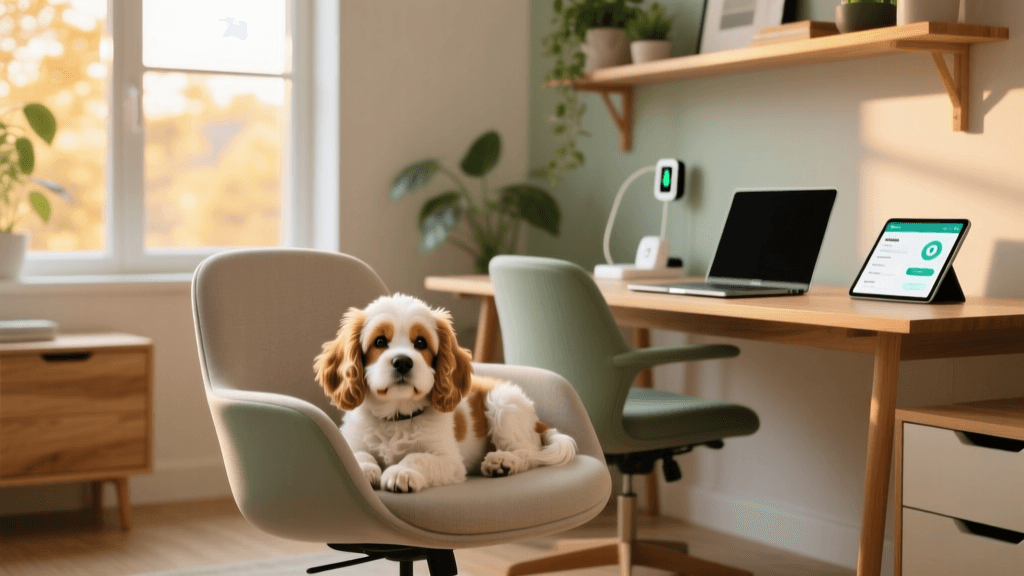
The Cavalier is the quintessential lap dog, perfectly content to sleep under your desk while you work. They are highly empathetic, which makes them excellent emotional support companions during stressful workdays. However, their primary health concern in 2026 remains Mitral Valve Disease (MVD). Responsible breeders now utilize advanced echocardiogram screening protocols to ensure breeding stock is clear of early-onset heart murmurs. When selecting a Cavalier puppy, always request the 2026 veterinary cardiology clearance certificates for both parents. They require only moderate exercise—about 30 to 45 minutes of walking daily—making them ideal for owners with back-to-back virtual meetings.
2. Bichon Frise
For remote workers operating in closed home offices or shared apartments, the Bichon Frise is a top-tier choice. Their hypoallergenic, hair-like coat produces minimal dander, keeping your workspace clean and allergy-free. Bichons are notoriously cheerful and adaptable, bouncing back quickly from stress. Their main wellness requirement is strict grooming; their coat mats easily, requiring professional grooming every four to six weeks (budget approximately $80 to $120 per session in 2026). Additionally, owners should monitor for patellar luxation, a common knee issue in small breeds, by maintaining a lean body weight and providing orthopedic bedding.
3. Miniature Poodle
Do not let their elegant appearance fool you; the Miniature Poodle is a robust, highly intelligent working dog. They are exceptionally easy to train to remain quiet during conference calls, a massive benefit for remote professionals. Because they are so intelligent, their mental health relies heavily on cognitive enrichment. A bored Poodle will quickly develop neurotic behaviors like excessive licking or barking. Incorporating daily puzzle feeders and scent-work games into your lunch break is mandatory for this breed's psychological health. They are also generally long-lived, frequently reaching 15 years or more with proper joint and dental care.
4. Havanese
The Havanese is a sturdy toy breed that lacks the fragility and high-strung nervousness often seen in smaller dogs. They are deeply devoted but generally possess a more relaxed 'off-switch' than other companion breeds. They are less prone to 'yappy' tendencies, which is a blessing for open-mic environments. Health-wise, they are relatively robust, though owners should screen for juvenile cataracts and hip dysplasia. Their silky coat can be kept in a short 'puppy cut' to minimize daily brushing, saving you time between work sprints.
The 2026 WFH Puppy Wellness & Enrichment Schedule
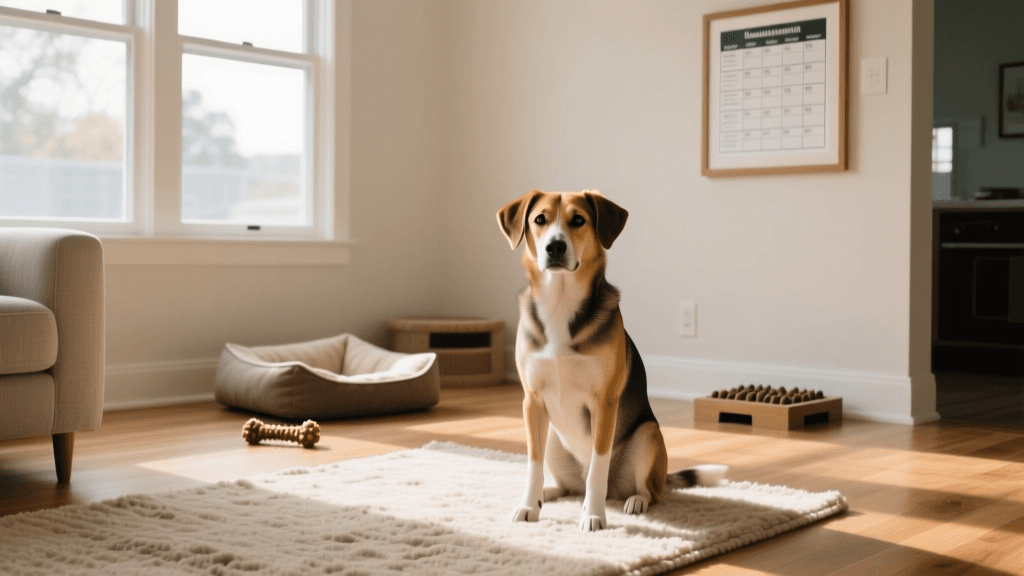
Structure is the bedrock of canine mental health. When you are working from home, it is easy to let the puppy nap all day and then become hyperactive at night. Implementing a strict daily schedule ensures your puppy's physical and mental needs are met without disrupting your workflow. Below is a recommended daily schedule optimized for the remote worker.
| Time | Activity | Wellness Benefit | Recommended 2026 Gear |
|---|---|---|---|
| 7:30 AM | Morning Potty & Sniffari Walk | Physical exercise and olfactory enrichment to drain mental energy. | Ruffwear Front Range Harness |
| 8:30 AM | Breakfast & Crate Time | Teaches independence while owner starts morning emails. | Impact Dog Crate (Sound-dampened) |
| 12:00 PM | Midday Training & Puzzle | Cognitive fatigue; reinforces obedience and focus. | Outward Hound Nina Ottosson Dog Brick |
| 3:00 PM | Independent Play & Chewing | Jaw exercise, stress relief, and teething support. | KONG Classic Red (stuffed & frozen) |
| 5:30 PM | Evening Walk & Socialization | Exposure to environmental stimuli to build confidence. | LED Lighted Collar for visibility |
Preventing 'Velcro Dog' Syndrome in Remote Environments
The most significant health risk for a WFH puppy is the development of hyper-attachment, colloquially known as 'Velcro Dog' syndrome. If your puppy follows you from the desk to the kitchen to the bathroom, they are not learning how to self-soothe. To prevent this, you must practice 'invisible departures' and enforced independence.
Start by crate training or using a playpen while you are still in the room. Place the crate across the room from your desk. When the puppy is resting quietly, use a smart camera like the Furbo 360 Dog Camera (retailing around $250 in 2026) to monitor them and toss treats when they are calm and settled. This reinforces that being alone in their safe space is rewarding. Furthermore, consider consulting your veterinarian about proactive calming supplements. Products like Purina Pro Plan Veterinary Supplements Calming Care, which utilizes a specific probiotic strain (Bifidobacterium longum BL999) to promote calm behavior, can be highly effective when used alongside behavioral training.
Nutrition and Weight Management for Low-Activity WFH Dogs
Remote workers often take fewer incidental steps than those who commute or work active jobs, and this sedentary lifestyle can easily transfer to their dogs. Canine obesity is a leading cause of premature joint degradation, diabetes, and cardiovascular strain. The CDC's Healthy Pets guidelines emphasize that maintaining an optimal body condition score is one of the most effective ways to prevent chronic diseases and reduce the risk of zoonotic health issues.
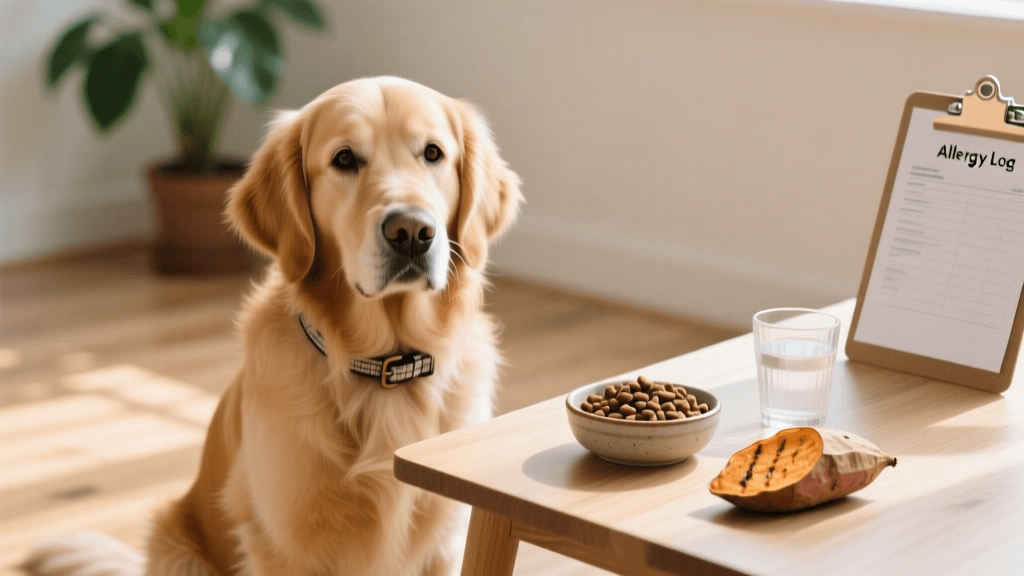
Do not free-feed your WFH puppy. Instead, calculate their exact daily caloric needs based on their expected adult weight and current growth curve. Use a digital kitchen scale to measure their kibble down to the gram, as even a 10% overfeeding can lead to significant weight gain in small breeds. To automate this and prevent the puppy from pestering you during meetings, invest in a smart feeder like the Petlibro Granary Automatic Feeder. It allows you to schedule micro-meals throughout the day, keeping the puppy's blood sugar stable and reducing begging behaviors while you are on camera.
Conclusion
Integrating a puppy into your remote work life in 2026 is a deeply rewarding experience, provided you approach it with a focus on holistic wellness. By selecting a breed that naturally aligns with a home-office environment—such as the Cavalier, Bichon, Miniature Poodle, or Havanese—and enforcing strict routines for independence, mental enrichment, and weight management, you will cultivate a balanced, happy dog who thrives both on and off the clock.
aaron-whyte
All our authors care for dogs every day — read more of their work on the authors page.