Recognizing and Managing Dog Dementia in Senior Pets
Learn how to recognize canine cognitive dysfunction and manage dog dementia with practical routines, supplements, and vet-approved senior care tips.

Understanding Canine Cognitive Dysfunction (CCD)
As our beloved dogs enter their golden years, we expect them to slow down physically. However, when mental decline begins to overshadow physical aging, it can be deeply distressing for pet parents. Canine Cognitive Dysfunction (CCD), commonly referred to as dog dementia, is a neurodegenerative disease that affects senior dogs in a manner strikingly similar to Alzheimer's disease in humans. According to the American Kennel Club (AKC), CCD is characterized by a decline in awareness, deficits in learning and memory, and decreased responsiveness to stimuli. While it is estimated that nearly 28% of dogs over the age of 11 will develop some form of cognitive impairment, that number jumps to 68% in dogs over the age of 15. Early recognition and proactive management are critical to maintaining your senior dog's quality of life.
The DISHA Acronym: Spotting the Signs Early
Because the onset of dog dementia is often gradual, symptoms can easily be mistaken for normal aging or physical ailments like arthritis. Veterinary behaviorists frequently use the DISHA acronym to help owners identify the hallmark signs of CCD:
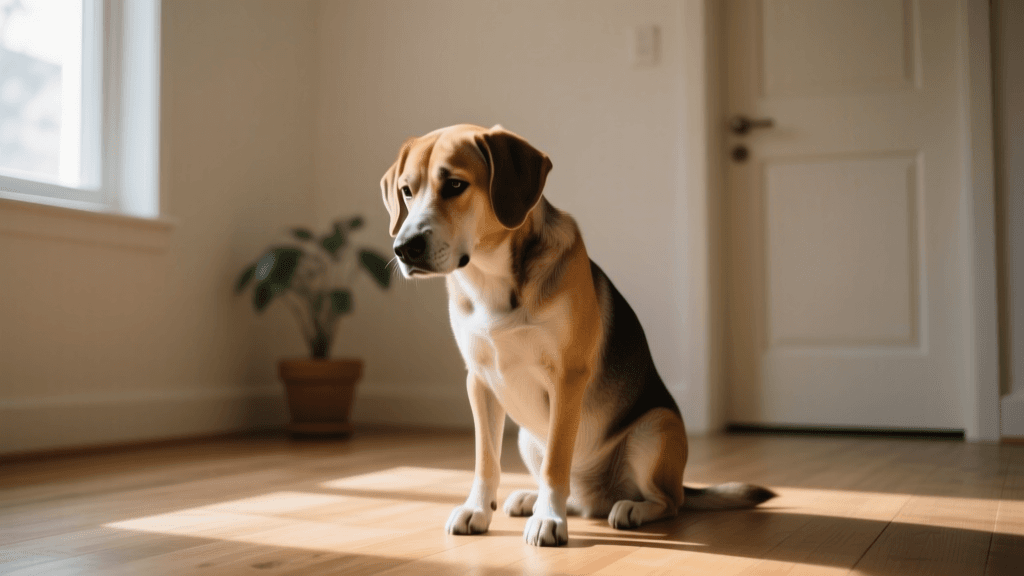
- Disorientation: Your dog may wander aimlessly, get stuck behind furniture, stare blankly at walls, or fail to recognize familiar rooms and family members. They might go to the hinge side of the door when waiting to go outside.
- Interactions: Changes in social behavior are common. An outgoing dog may become clingy, irritable, or withdrawn, showing less interest in greeting you at the door or seeking affection.
- Sleep-Wake Cycle Changes: Dogs with CCD often experience circadian rhythm disruptions. They may sleep deeply all day but pace, pant, vocalize, or wander restlessly throughout the night.
- House Soiling: A previously well-house-trained dog may begin having accidents indoors. They might forget to signal that they need to go out, or they may eliminate in the house and seem entirely unaware of what they have done.
- Activity Level Changes: You may notice a decrease in purposeful activity (like playing or exploring) and an increase in repetitive, aimless behaviors such as excessive licking, pacing in circles, or snapping at imaginary flies.
If your dog exhibits two or more of these signs, the University of Illinois College of Veterinary Medicine strongly recommends scheduling a comprehensive veterinary exam to rule out other underlying medical conditions, such as urinary tract infections, vision loss, or brain tumors.
Environmental Modifications for a Dementia-Friendly Home
Creating a predictable, safe, and comforting environment is one of the most effective ways to reduce anxiety in a dog suffering from cognitive decline. Senior dogs with CCD can become easily overwhelmed by changes in their surroundings.
Lighting and Visibility
Nighttime pacing and anxiety are often exacerbated by poor vision in the dark. Invest in LED motion-sensor nightlights (typically costing $15 to $25 for a multi-pack) and place them along the routes your dog takes to their bed, water bowl, and potty door. This provides a gentle visual guide that helps reorient them if they wake up confused.
Flooring and Traction
Cognitive decline often compounds with physical weakness or arthritis. If your dog feels their paws slipping on hardwood floors, it can trigger panic. Lay down non-slip area rugs or interlocking foam mats in high-traffic areas. Ensure the rugs have rubberized backings to prevent them from sliding out from under your dog.
Scent Marking
As vision and hearing fade, a dog's sense of smell becomes their primary anchor. Use pet-safe essential oils to create "scent maps" around your home. For example, place a drop of diluted lavender oil on a cotton ball near their bed to signal a resting zone, and use a citrus scent near hazardous areas like staircases to signal a boundary.
Nutritional Support and Dietary Supplements
While there is no cure for CCD, specific nutritional interventions can slow the progression of the disease by reducing oxidative stress in the brain and improving cellular energy. Before introducing any supplement, always consult your veterinarian to ensure it does not interact with your dog's current medications.
| Supplement / Diet | Primary Benefit | Typical Dosage (50lb Dog) | Estimated Monthly Cost |
|---|---|---|---|
| Medium-Chain Triglycerides (MCTs) | Provides alternative brain energy source (ketones) | 1-2 tsp of coconut oil or specialized diet (e.g., Purina Bright Mind) | $30 - $60 |
| SAMe (S-adenosylmethionine) | Supports liver function and increases brain serotonin/dopamine | 200mg - 400mg daily (e.g., Nutramax Denamarin) | $45 - $70 |
| Omega-3 Fatty Acids (EPA/DHA) | Reduces neuroinflammation and supports cell membrane health | 1000mg - 1500mg combined EPA/DHA (e.g., Nordic Naturals Pet Omega-3) | $25 - $40 |
| Antioxidant Blends (Vitamins E & C) | Neutralizes free radicals causing brain cell damage | As directed by vet (often included in senior prescription diets) | $50 - $80 (Diet) |
Pro Tip: Transitioning to a prescription senior cognitive diet, such as Hill's Prescription Diet b/d or Royal Canin Veterinary Diet NeuroCare, can provide a balanced, pre-measured blend of these antioxidants and fatty acids without the need to purchase multiple separate supplements.
Daily Routines and Mental Stimulation
Dogs with dementia thrive on strict, predictable routines. Waking up, eating, walking, and sleeping at the exact same times every day reduces the cognitive load required to navigate their day. However, mental stagnation can accelerate cognitive decline. You must provide gentle, low-stress mental enrichment.
Adapted Physical Exercise
Replace long, exhausting hikes with shorter, more frequent "sniffaris." Two 15-minute walks per day on a secure, non-retractable harness allow your dog to process environmental scents, which stimulates the brain's olfactory lobe without causing physical fatigue. Avoid changing your walking routes frequently; familiar paths provide comfort and confidence.
Interactive Enrichment Toys
Ditch the standard food bowl and introduce foraging tools. A Snuffle Mat ($20-$30) encourages natural foraging behaviors and tires the brain out gently. Alternatively, use a Kong Senior (the purple rubber is softer on aging teeth) stuffed with softened kibble and a dollop of plain pumpkin puree, then frozen. This provides a soothing, repetitive licking activity that releases endorphins and reduces anxiety.
Veterinary Interventions and Medications
If environmental and nutritional modifications are not enough to manage your dog's symptoms, your veterinarian may prescribe medication. The most common FDA-approved medication for CCD is Selegiline (Anipryl). This drug works as a monoamine oxidase-B (MAO-B) inhibitor, helping to increase dopamine levels in the brain, which can improve sleep-wake cycles and reduce aimless pacing. It typically takes 4 to 8 weeks to see noticeable improvements, and it costs approximately $50 to $90 per month depending on your dog's weight and pharmacy.
For dogs suffering from severe nighttime anxiety, veterinarians may also prescribe short-term anti-anxiety medications like Trazodone or Gabapentin to help both the dog and the owner get a restful night's sleep.
When to Reassess Quality of Life
Caring for a dog with dementia is an act of profound love, but it can also lead to caregiver burnout. The ASPCA emphasizes the importance of regularly assessing your senior dog's quality of life. Keep a daily journal tracking their "good days" versus "bad days." If your dog stops eating, ceases to enjoy their favorite interactions, or experiences unmanageable anxiety despite medical intervention, it may be time to have a compassionate conversation with your vet about end-of-life care.
Managing dog dementia requires patience, adaptability, and a proactive approach to senior health. By combining environmental safety, targeted nutrition, and veterinary guidance, you can ensure your aging companion's final years are as comfortable, dignified, and joyful as possible.
tom-renshaw
All our authors care for dogs every day — read more of their work on the authors page.