Expert Q&A: Decoding and Managing Canine Resource Guarding
Vets and trainers answer top questions on canine resource guarding. Learn triggers, body language signs, and safe management protocols for your home.

Understanding Resource Guarding: A Dual-Expert Perspective
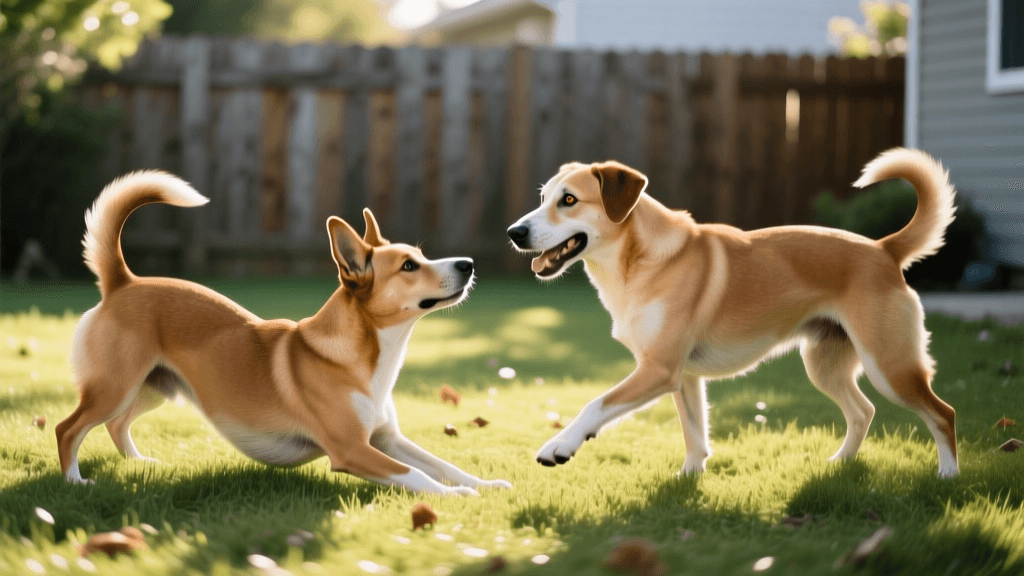
Resource guarding—when a dog uses defensive behaviors to protect a valued item from being taken away—is one of the most misunderstood canine behaviors. To separate fact from fiction, we sat down with Dr. Elena Rostova, DVM, a board-certified veterinary behaviorist, and Marcus Thorne, CDBC (Certified Dog Behavior Consultant), to answer your most pressing questions about why dogs guard, how to read their subtle warning signs, and exactly how to manage this behavior safely.
Q&A: The 'Dominance' Myth and the 'Why' Behind the Growl
Paws-Tales: Many owners believe a dog that guards its food or toys is trying to be the 'alpha' or assert dominance. Is this true?
Dr. Rostova (Vet): This is one of the most pervasive and damaging myths in dog training. Resource guarding is not about dominance or a desire to control humans; it is rooted in anxiety and a survival instinct. The dog simply perceives a threat to a valuable resource and is communicating, 'Please back away, this is mine.' According to the American Veterinary Society of Animal Behavior (AVSAB), using confrontational or punishment-based methods to suppress these guarding behaviors actually increases the underlying anxiety and can lead to more severe, unpredictable aggression.
Marcus (Trainer): Exactly. When we punish a growl, we don't remove the dog's fear of losing the item; we just teach them to skip the warning and go straight to a bite. We must view guarding as an emotional response, not a behavioral rebellion.
Q&A: Reading the Subtle Signs Before a Bite
Paws-Tales: What are the early warning signs that a dog is uncomfortable, before they actually growl or snap?
Marcus (Trainer): Dogs rarely bite 'out of nowhere.' They follow what behaviorists call the Ladder of Aggression. If we miss the early, subtle signs of stress, the dog is forced to escalate. The ASPCA notes that understanding canine body language is critical for preventing bites in the home.
| Stage | Canine Body Language | What the Dog is Saying | Recommended Human Response |
|---|---|---|---|
| 1. Calming Signals | Yawning, lip licking, turning head away, whale eye | 'I am feeling anxious and want to avoid conflict.' | Stop approaching; give the dog immediate space. |
| 2. Avoidance | Walking away, hiding, stiffening body posture | 'I am trying to remove myself or the item from you.' | Do not follow the dog; let them retreat. |
| 3. Warning | Hard stare, low rumble, curling lips, raised hackles | 'You are too close. Back away now.' | Avert your eyes, back away slowly, toss a high-value treat. |
| 4. Defensive Action | Snapping, lunging, biting | 'You did not listen to my warnings.' | Seek immediate professional behaviorist intervention. |
Q&A: Actionable Management and the 'Trade-Up' Protocol
Paws-Tales: If a dog guards their food bowl or favorite toys, what is the safest, most actionable protocol an owner can start today?
Marcus (Trainer): Management comes first, training second. If your dog guards a specific area, use a physical barrier like the Regalo Easy Step Walk Thru Gate (typically $35-$45) to separate them during high-risk times. For active training, we use the 'Trade-Up' game. Here is the exact protocol:
- Assess the Threshold: Find the distance where your dog notices you but does not stiffen or growl. For severe guarders, this might be 10 to 15 feet away.
- Prepare High-Value Currency: You need something better than what they have. I recommend Zuke's Mini Naturals in Peanut Butter or Roasted Chicken (about $7-$9 for a 6oz bag). They are soft, smelly, and can be eaten in one second.
- The Toss and Retreat: From your threshold distance, toss a treat toward the dog, then immediately take a step back. Do not reach for their bowl or toy. You are teaching them that your approach predicts good things, not theft.
- The 3-Second Trade: Once the dog happily anticipates your approach, offer a trade. If they have a $15 KONG Classic Red, offer a piece of real chicken. When they drop the KONG, give the chicken, wait 3 seconds, and then give the KONG back. Giving the item back is crucial; it proves you aren't stealing.
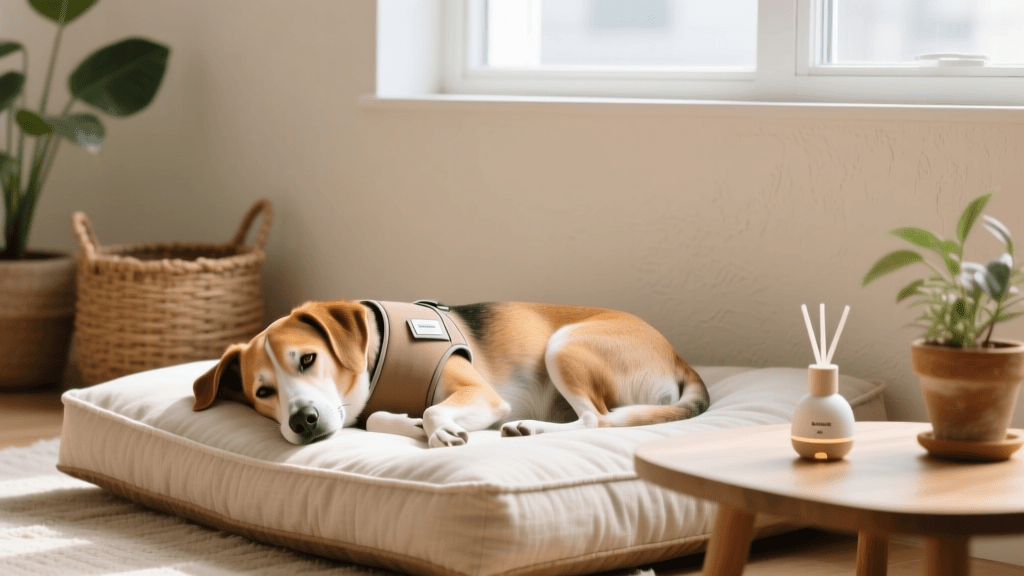
Dr. Rostova (Vet): I would add that for dogs who inhale their food and guard the bowl, changing the feeding method can reduce anxiety. Ditch the stainless steel bowl and use a $20-$30 Snuffle Mat or a puzzle feeder. This slows down eating, engages their foraging instincts, and removes the 'bowl' as a guardable object.
Q&A: Navigating Multi-Dog Households
Paws-Tales: How do you manage resource guarding when there are two dogs in the same home?
Marcus (Trainer): Multi-dog guarding is highly stressful. You must implement strict environmental management. Never feed dogs within 6 feet of each other. Use baby gates or separate crates. If Dog A guards toys from Dog B, all high-value items like raw hides or bully sticks must only be given when they are physically separated. The cost of a second crate (around $60-$100 for a 42-inch wire crate) is vastly cheaper than a veterinary bill for a dog fight.
When to Call a Professional
Paws-Tales: At what point should an owner stop DIY training and seek professional help?
Dr. Rostova (Vet): If a dog has broken the skin, if the guarding is directed at children, or if the dog is exhibiting extreme anxiety (panting, pacing, inability to settle), you need a professional. A veterinary behaviorist can assess if there is an underlying medical issue causing pain-induced guarding. In severe cases, we may prescribe SSRIs like fluoxetine to lower the dog's baseline anxiety, making behavioral modification possible. You can find specialized help through institutions like the Tufts University Cummings Veterinary Medical Center Behavior Clinic or by searching for a board-certified veterinary behaviorist in your area.
Marcus (Trainer): Remember, resource guarding is a natural canine behavior. With patience, high-value treats, and respectful distance, you can change your dog's emotional response and build a foundation of absolute trust.
tom-renshaw
All our authors care for dogs every day — read more of their work on the authors page.