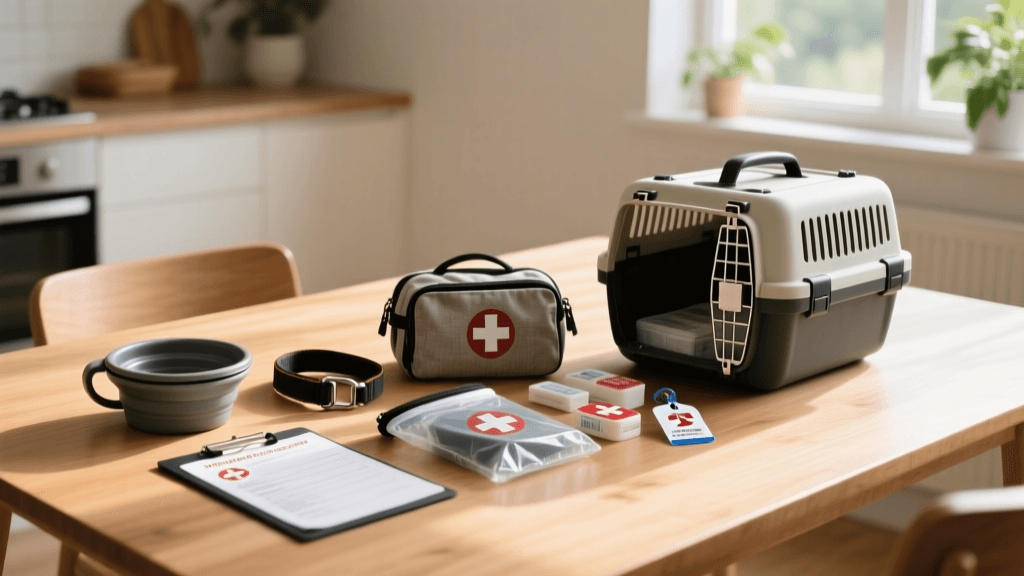
How to Evacuate With Your Dog During Natural Disasters
Learn how to safely evacuate with your dog during hurricanes and wildfires. Discover essential go-bag items, timelines, and emergency shelter tips.
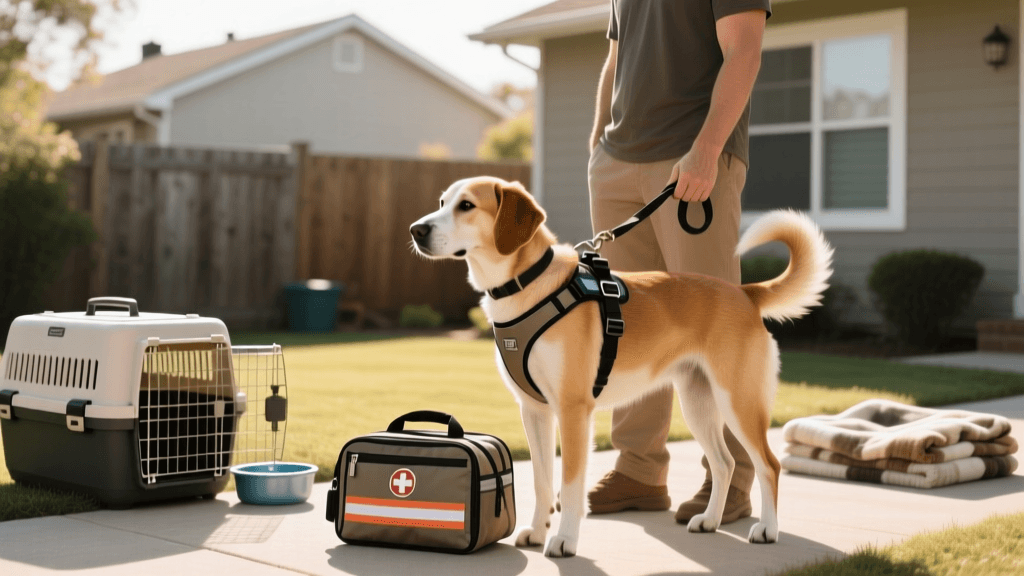
Preparing for the Unpredictable: Evacuating With Your Dog
When a hurricane, wildfire, or severe flood threatens your community, the chaos of evacuation can be overwhelming. For dog owners, the stakes are significantly higher. You are not just responsible for your own safety, but for the life of a dependent animal who cannot read emergency broadcasts or pack a bag. According to the Federal Emergency Management Agency (FEMA), disasters displace thousands of pets every year, and many are never reunited with their owners due to a lack of preparation.
Evacuating with a dog requires more than just grabbing a leash and heading to the car. It demands a strategic approach, specialized gear, and a clear understanding of emergency shelter policies. This comprehensive guide will walk you through building a canine go-bag, understanding evacuation timelines, and ensuring your dog remains safe and secure during a natural disaster.
Understanding the PETS Act and Shelter Realities
Before you pack a single item, you must understand where you and your dog can go. Following the tragic loss of pets during Hurricane Katrina, the U.S. government passed the Pets Evacuation and Transportation Standards (PETS) Act. This law requires state and local emergency preparedness authorities to include pets in their disaster relief plans.
However, the PETS Act does not mean every standard emergency shelter will allow dogs inside the sleeping areas. Typically, pet-friendly shelters are set up as separate, adjacent facilities or designated zones where owners must care for their animals. Space is highly limited, and you are generally required to bring your own crate, food, and supplies. Never assume a shelter will provide dog food or bedding. Always identify at least three pet-friendly options in advance: a designated county shelter, a dog-friendly hotel chain outside the evacuation zone, and a friend or relative's home.
Building the Ultimate Canine Go-Bag
Your dog's emergency kit should be stored in a waterproof, easily accessible duffel bag or plastic bin. The ASPCA recommends preparing for a minimum of three to seven days of self-sufficiency. Here are the critical components your dog's go-bag must contain.
Food, Water, and Sanitation
Dogs require approximately one ounce of water per pound of body weight daily, but stress and heat can double this requirement. For a 50-pound dog, pack at least one gallon of water per day. Store dry kibble in airtight, waterproof containers to prevent spoilage. If you feed raw or wet food, you must pack a dedicated cooler or switch to shelf-stable emergency dog food rations. Always include collapsible silicone bowls and a manual can opener if utilizing canned goods.
Medical and First-Aid Supplies
Keep a dedicated 14-day supply of your dog's essential medications (such as heartworm prevention, thyroid meds, or anti-seizure drugs) in a waterproof pill organizer. Rotate these medications every six months to ensure they do not expire. Your canine first-aid kit should also include:
- Styptic powder: To stop bleeding from torn nails.
- Vet wrap and gauze: For wrapping paws or stabilizing minor injuries.
- Saline eye wash: To flush out dust, ash, or debris from wildfires.
- Diphenhydramine (Benadryl): For allergic reactions or mild sedation (consult your vet for exact milligram dosages based on your dog's weight).
- Digital thermometer: Dogs run hotter than humans; a normal range is 101°F to 102.5°F.
Emergency Kit Checklist and Cost Breakdown
Below is a structured breakdown of the essential gear needed for a mid-sized dog (30-60 lbs). Costs are estimates based on average retail prices for durable, emergency-grade products.
| Item Category | Specific Recommendation | Estimated Cost | Replacement Timeline |
|---|---|---|---|
| Crash-Tested Harness | Sleepypod Clickit Sport or Kurgo Enhanced Strength | $75 - $95 | Replace after any car accident or 5 years |
| Collapsible Travel Crate | Propper or Ruff Land Performance Kennel | $50 - $150 | Inspect latches and hinges annually |
| Water Supply (3 Days) | 3 Gallons bottled water + Lifestraw Peak Squeeze | $15 - $25 | Rotate bottled water every 6 months |
| Food Supply (3 Days) | Dehydrated emergency dog food (e.g., Honest Kitchen) | $30 - $45 | Check expiration dates every 6 months |
| Calming Aid | Adaptil Calming Collar or Thundershirt | $25 - $45 | Collars last 30 days; shirts wash as needed |
| Records & ID | Waterproof USB drive + laminated physical copies | $10 - $15 | Update vet records and photos annually |
The 72-Hour Evacuation Timeline
Timing is everything during a natural disaster. Waiting until the mandatory evacuation order is issued often means sitting in gridlocked traffic with a panicked dog. Follow this timeline when a predictable event, like a hurricane, is approaching.
T-Minus 72 Hours: The Watch Phase
When a storm is projected to hit within three days, pull out your dog's go-bag and verify the inventory. Ensure your dog's microchip registration is up to date with your current cell phone number. Fill your vehicle's gas tank immediately. Bring all outdoor dog toys and doghouses inside to prevent them from becoming dangerous projectiles in high winds.
T-Minus 48 Hours: The Warning Phase
Call your designated out-of-town pet-friendly hotel or relative to confirm your reservation. Begin acclimating your dog to their travel crate if they do not sleep in it regularly. Feed them their meals inside the crate to build positive associations. If your dog suffers from severe motion sickness or anxiety, contact your veterinarian to request a prescription for Cerenia (anti-nausea) or Trazodone (anti-anxiety).
T-Minus 12 Hours: The Departure Phase
Load the vehicle. Place the dog's crate in the safest part of the vehicle—typically the back seat or the cargo area of an SUV, secured with tie-down straps or a seatbelt threaded through the harness. Never place a dog in the bed of a pickup truck or leave them unattended in a parked car, even with the windows cracked.
Managing Canine Anxiety During Transit and Sheltering
The sensory overload of a disaster—sirens, barometric pressure drops, the smell of smoke, and panicked crowds—can trigger severe anxiety in dogs. The American Red Cross emphasizes the importance of keeping pets secured and calm to prevent them from bolting and becoming lost.
Utilize a snug-fitting anxiety wrap, such as a Thundershirt, which applies gentle, constant pressure to calm the canine nervous system. Pheromone sprays like Adaptil can be sprayed on the bedding inside the crate 15 minutes before loading your dog. If you are sheltering in a crowded gymnasium or pet-friendly zone, keep your dog on a short, 4-foot leash rather than a retractable leash. Retractable leashes offer zero control in high-stress environments and can cause severe friction burns if a dog suddenly lunges.
"In an emergency, your dog will look to you for cues on how to react. If you remain calm, methodical, and stick to their normal routine as closely as possible—even in a shelter—your dog will feel significantly more secure."
Identification: Your Dog’s Ticket Home
If the worst happens and you are separated from your dog, identification is your only lifeline. A collar with an ID tag is the first line of defense, but collars can snap or slip off during a struggle. A microchip is essential, but it is not a GPS tracker; it is a passive RFID chip that must be scanned by a shelter or vet.
To maximize your chances of recovery, create a "Lost Dog" flyer in advance. Include a clear, full-body photo of your dog, their name, your phone number, and any distinct medical needs. Store this digital flyer on your phone and email it to yourself so you can immediately post it to local social media groups and share it with emergency responders if you are displaced.
Conclusion
Evacuating with your dog is a monumental responsibility, but it is entirely manageable with the right preparation. By investing in a crash-tested harness, assembling a comprehensive go-bag, and understanding the realities of emergency shelters, you transform a potentially chaotic nightmare into a structured, safe relocation. Do not wait for the sirens to sound; build your dog's emergency kit today, because when disaster strikes, your preparation is the only thing standing between your best friend and the unknown.
anouk-beaumont
All our authors care for dogs every day — read more of their work on the authors page.