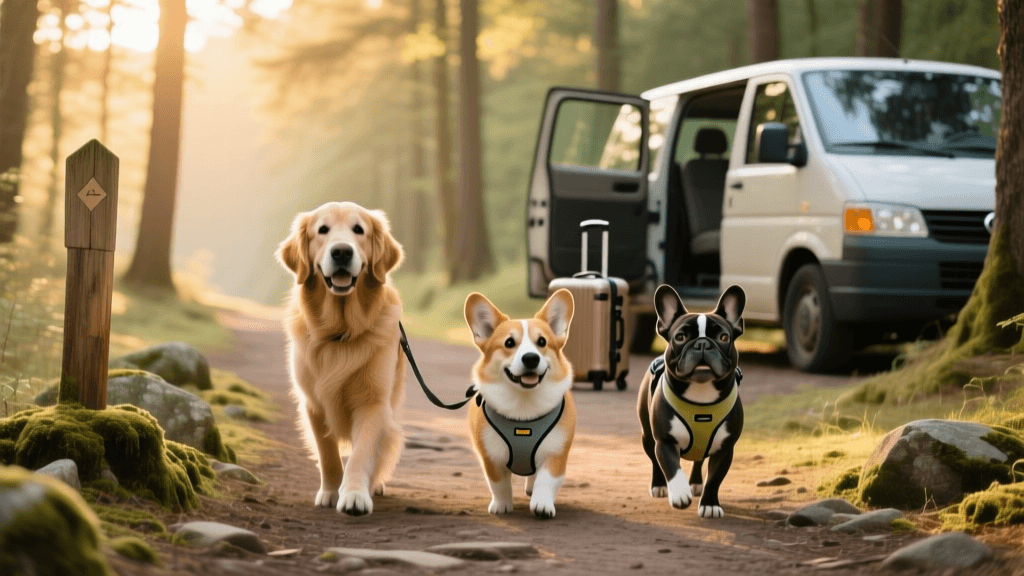
Joint Nutrition and Recovery Routines for Active Hiking Dogs
Discover essential joint nutrition, supplement comparisons, and post-hike recovery routines to keep your active hiking dog healthy, mobile, and pain-free.
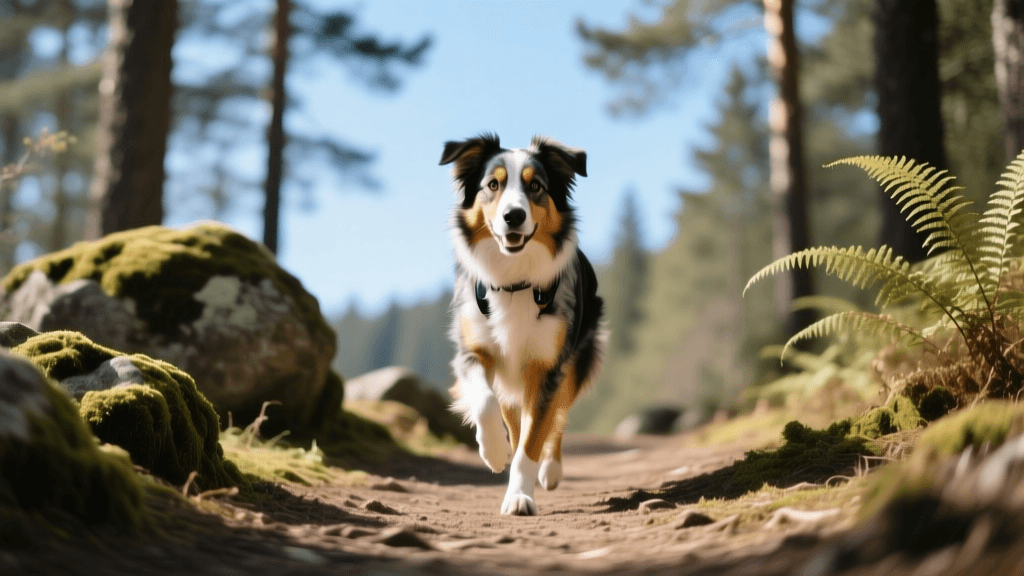
The Hidden Biomechanical Toll of Hiking on Canine Joints
Sharing the trail with your dog is one of the most rewarding aspects of pet ownership. Whether you are navigating rocky alpine scrambles or logging miles on forested single-track, hiking provides unparalleled mental stimulation and cardiovascular exercise for your canine companion. However, the rugged terrain that makes hiking so exhilarating also places immense biomechanical stress on your dog’s musculoskeletal system.
When a dog descends a steep trail, the braking forces applied to their carpal (wrist), shoulder, and stifle (knee) joints can equate to two to three times their total body weight. Over time, this repetitive micro-trauma accelerates cartilage degradation and can lead to early-onset osteoarthritis, particularly in medium-to-large breeds and senior dogs. To ensure your hiking partner stays on the trail for years to come, a proactive approach combining targeted joint nutrition, structured daily routines, and strategic post-hike recovery is essential.
Nutritional Deep Dive: Building Blocks of Joint Health
Preventing joint degradation requires more than just a high-protein kibble; it demands specific nutraceuticals that mitigate inflammation and support cartilage synthesis. According to veterinary nutrition experts at Tufts University Cummings School of Veterinary Medicine, incorporating targeted Omega-3 fatty acids is one of the most evidence-based strategies for managing joint inflammation in dogs.
- EPA and DHA (Omega-3 Fatty Acids): Eicosapentaenoic acid (EPA) and docosahexaenoic acid (DHA) disrupt the inflammatory cascade in the joints. The therapeutic veterinary dosage for active or arthritic dogs is typically between 50 to 100 mg of combined EPA/DHA per kilogram of body weight daily. For a 25 kg (55 lb) hiking dog, this means 1,250 mg to 2,500 mg of EPA/DHA daily, which usually requires a concentrated fish oil pump or specialized joint supplement rather than standard food.
- Glucosamine HCl and Chondroitin Sulfate: These are the foundational building blocks of glycosaminoglycans (GAGs), which form the structural matrix of joint cartilage. Look for products utilizing Glucosamine Hydrochloride (HCl) rather than sulfate, as HCl has higher bioavailability and provides more active glucosamine per milligram.
- New Zealand Green Lipped Mussel (GLM): GLM is a powerhouse ingredient for active dogs. It contains a unique omega-3 fatty acid called ETA (eicosatetraenoic acid), which specifically targets the enzymes that cause cartilage breakdown. It also provides a natural source of chondroitin and amino acids.
- MSM (Methylsulfonylmethane): An organic sulfur compound that acts as a potent analgesic and anti-inflammatory agent, helping to reduce the acute muscle and joint soreness that follows a strenuous 10-mile hike.
Comparison Chart: Top Joint Supplements for Active Dogs
Choosing the right supplement depends on your dog’s size, age, and the intensity of your outdoor activities. Below is a comparison of four top-tier joint supplements favored by canine sports medicine veterinarians.
| Supplement Brand | Key Active Ingredients | Est. Monthly Cost (50lb Dog) | Best Use Case |
|---|---|---|---|
| Nutramax Dasuquin Advanced | Glucosamine, Chondroitin, Boswellia, ASU | $65 - $75 | Senior dogs or dogs with existing joint stiffness and cartilage wear. |
| GlycoFlex Max (VetriScience) | New Zealand Green Lipped Mussel, MSM, Glucosamine | $45 - $55 | Active hiking dogs needing natural inflammation control and muscle recovery. |
| Native Pet Omega Chews | Wild-Caught Salmon Oil, GLM, Vitamin E | $30 - $35 | Young, active dogs requiring preventative Omega-3 joint and coat support. |
| Zesty Paws Mobility Bites | Glucosamine, Chondroitin, Turmeric, OptiMSM | $25 - $30 | Multi-dog households needing a cost-effective, high-palatability daily chew. |
Daily Routines for Joint Preservation
Nutrition must be paired with intelligent daily routines to protect your dog’s joints. Just as human athletes do not sprint without warming up, your dog should never transition from a sedentary car ride directly into a steep uphill climb.
The Trailhead Warm-Up
Spend the first 5 to 10 minutes of your hike on flat, even terrain at a brisk walking pace. This increases synovial fluid circulation, effectively ‘greasing’ the joints before they bear heavy loads. Incorporate a few figure-eight weaves through your legs to gently mobilize the spine and hips.
Orthopedic Recovery Bedding
Where your dog sleeps dictates how well they recover. Standard poly-fill dog beds compress under the weight of a medium-to-large dog, leaving their joints resting on the hard floor. Investing in a high-density orthopedic bed is non-negotiable for hiking dogs. Brands like Big Barker or K9 Ballistics use therapeutic foam that prevents bottoming out. While the upfront cost ranges from $180 to $300, the investment directly correlates to reduced morning stiffness and prolonged mobility.
Managing Multi-Dog Hiking Households
Hiking with multiple dogs introduces complex logistical and nutritional challenges. A household with a 2-year-old Border Collie and a 9-year-old Labrador Retriever requires a bifurcated approach to joint health.
- Pacing and Terrain Selection: The younger dog may require 15 miles of rugged terrain to feel fatigued, while the senior dog may develop micro-injuries after 5 miles. Plan ‘loop’ hikes where the senior dog can return to the car or basecamp to rest on an elevated cot, while the younger dog completes the remaining mileage.
- Targeted Supplementation: Feed the younger dog a preventative Omega-3 rich diet, while the senior dog should receive a comprehensive clinical joint supplement (like Dasuquin Advanced). Use distinctively colored treat pouches on your hiking belt to avoid mixing up their specific trail snacks and supplements.
Post-Hike Recovery Nutrition and Hydration
Recovery begins the moment you step off the trail. Dehydration exacerbates joint friction by reducing the volume and viscosity of synovial fluid. A general rule of thumb is that dogs require 1 ounce of water per pound of body weight daily. For a 50 lb dog, that is 50 ounces (about 1.5 liters). However, strenuous hiking in moderate heat can double this requirement.
Trailside Hydration Strategy
Carry a dedicated canine hydration pack or a collapsible silicone bowl. Offer water every 20 to 30 minutes during active hiking. Do not allow your dog to gulp massive quantities of water at once, as this increases the risk of gastric dilatation-volvulus (bloat) and causes rapid electrolyte flushing.
Nutritional Recovery Treats
Within 45 minutes of finishing a long hike, offer a recovery snack that combines easily digestible carbohydrates with joint-supporting proteins. Plain, low-sodium bone broth (ensure it contains zero onions or garlic) is an excellent post-hike recovery tool. It provides natural collagen, glucosamine, and vital hydration. Alternatively, freeze-dried green-lipped mussels make for an excellent, lightweight trail treat that delivers a concentrated burst of ETA and protein to begin immediate muscle and cartilage repair.
Pro Tip: Keep a silicone ice-cube tray filled with frozen bone broth and pureed blueberries in your freezer. Pop out two or three cubes into your dog’s bowl after a hot, exhausting hike for a hydrating, antioxidant-rich, and joint-soothing treat.
Recognizing Early Signs of Joint Fatigue
Dogs are stoic creatures driven by their pack instinct to keep up with their owners. They will rarely vocalize pain until a joint issue has become severe. The Washington State University College of Veterinary Medicine emphasizes that early detection of osteoarthritis and joint fatigue relies heavily on observing subtle behavioral changes rather than waiting for obvious limping.
Furthermore, the American Kennel Club advises owners to monitor for the following subtle indicators that your dog’s current hiking routine is exceeding their joint capacity:
- The ‘Bunny Hop’ Gait: Using both hind legs simultaneously while running, rather than a smooth, alternating stride.
- Reluctance to Descend: Hesitation at the top of steep downhills, stairs, or when asked to jump down from the tailgate of your vehicle.
- Post-Hike Licking: Obsessively licking the carpal (wrist) joints or elbows after a long day on the trail, which is a self-soothing mechanism for localized inflammation.
- Morning Stiffness: A stiff, stilted gait during the first five minutes of waking up the morning after a hike, which gradually improves as they move around.
By integrating clinical-grade joint nutrition, enforcing structured warm-up and cool-down routines, and carefully monitoring your dog’s biomechanical feedback, you can safely share thousands of miles of wilderness with your best friend. Remember, the goal is not just to reach the summit, but to ensure your dog has the joint health and vitality to hike it with you again next season.
hannah-wickes
All our authors care for dogs every day — read more of their work on the authors page.