Caring for Your Senior Dog: Home Adjustments and Daily Routines
Discover practical tips for caring for your senior dog. Learn how to adjust your home, daily routine, and diet to keep your aging pet comfortable and happy.
Embracing the Golden Years: A Comprehensive Guide to Senior Dog Care
Watching your vibrant, energetic puppy transition into a distinguished senior dog is one of the most rewarding, yet emotionally complex, journeys a pet owner can experience. The 'Life with Your Dog' category often focuses on puppy training or adult dog adventures, but the senior life stage requires a unique, deeply compassionate approach to daily care. As your dog ages, their physical and cognitive needs shift dramatically. What once was a simple walk around the block may now require strategic planning, and your home environment may need significant modifications to ensure their safety and comfort. In this comprehensive life stage care guide, we will explore actionable, specific adjustments you can make to your home, daily routine, and veterinary care plan to ensure your aging companion thrives in their golden years.
When is a Dog Considered a Senior?
Before adjusting your care routine, it is crucial to understand when your dog actually enters their senior life stage. Aging is not a one-size-fits-all process in canines; it is heavily dependent on breed size and genetics. According to the American Veterinary Medical Association (AVMA), smaller breeds tend to live longer and age more slowly than giant breeds. As a general rule of thumb, dogs under 20 pounds are considered seniors around 11 years of age, while dogs between 21 and 50 pounds reach senior status at 10 years. Medium-large dogs (51 to 90 pounds) typically become seniors at 9 years, and giant breeds over 90 pounds may show signs of aging as early as 7 years old. Recognizing these milestones allows you to proactively implement the care strategies outlined below before mobility or cognitive issues become severe.
Modifying Your Home for Mobility and Comfort
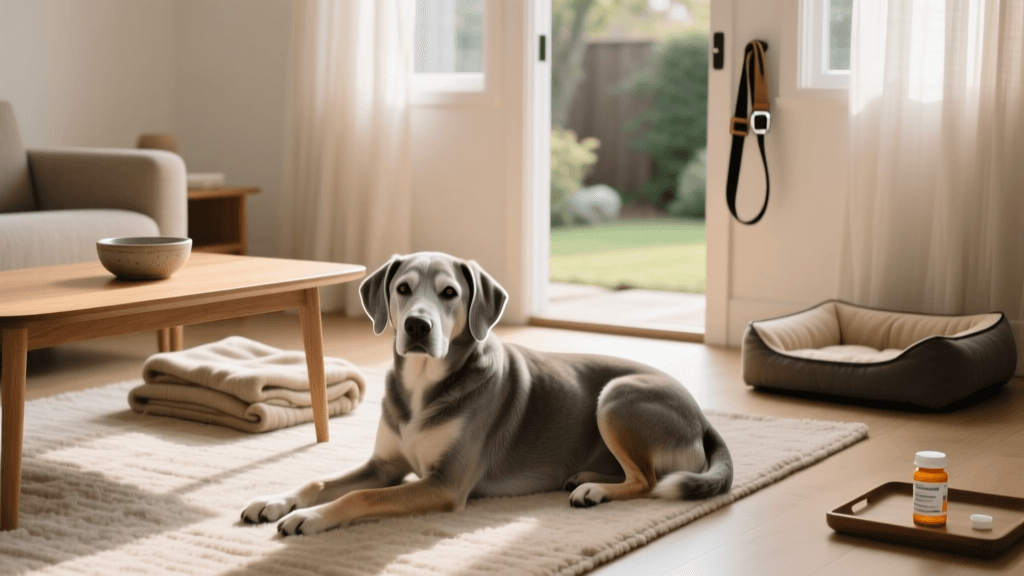
One of the most immediate changes you will notice in an aging dog is a decline in mobility. Conditions like osteoarthritis, hip dysplasia, and general muscle atrophy can make navigating a standard human home incredibly challenging. Making targeted home modifications is essential for preserving your dog's independence and preventing painful falls.
Upgrading to Orthopedic Bedding
Standard dog beds or thin mats do not provide adequate support for aging joints. Invest in a high-quality orthopedic bed featuring a minimum of 4 to 6 inches of high-density memory foam. Brands like K&H Pet Products or Big Barker offer therapeutic beds specifically designed to prevent the foam from bottoming out under the weight of large, senior dogs. Expect to spend between $120 and $250 on a quality orthopedic bed. Place these beds in draft-free areas of the home, away from direct air conditioning vents, as senior dogs often struggle with thermoregulation.
Installing Ramps and Stairs
Jumping onto the couch or into the back of an SUV can cause severe spinal or joint injuries in older dogs. For furniture, use pet stairs with a gentle incline and deep, wide steps. For vehicles, purchase a telescoping aluminum ramp. When selecting a ramp, pay close attention to the slope ratio. A safe incline for a senior dog is a 4:1 ratio (for every 4 inches of length, the ramp rises 1 inch). A ramp that is too steep will cause hesitation and potential sliding.
Flooring and Traction Solutions
Hardwood and tile floors are notorious for causing slip-and-fall accidents in senior dogs with weakened hindquarters. Cover high-traffic pathways with non-slip area rugs or interlocking foam puzzle mats. If rugs are not an option, consider applying Dr. Buzby's ToeGrips. These small, flexible rubber cylinders slide over your dog's nails to provide immediate traction on hard surfaces. Costing around $30 per set, they are a highly effective, non-invasive alternative to dog boots, which many senior dogs find distressing to wear.
Adapting Exercise and Mental Enrichment
The ASPCA emphasizes that while senior dogs need less strenuous exercise, they still require consistent daily movement to maintain muscle mass and joint lubrication. The goal is to shift from high-intensity endurance activities to low-impact, mindful movement.
The Power of the 'Sniffari'
Instead of a brisk, two-mile power walk, take your senior dog on a 'Sniffari.' This involves a slow, meandering walk where the dog is allowed to stop and sniff the environment as much as they desire. Sniffing is intensely mentally stimulating for dogs and can tire them out just as effectively as physical exercise, without placing undue stress on their joints. Keep walks to 10-15 minutes, two or three times a day, rather than one long, exhausting excursion.
Cognitive Enrichment Toys
Canine Cognitive Dysfunction (CCD) is a reality for many aging dogs. Keep their brain sharp by introducing puzzle feeders and snuffle mats. Products like the Outward Hound Dog Brick puzzle toy require the dog to slide, lift, and manipulate compartments to retrieve treats. This low-physical, high-mental activity helps stave off cognitive decline and provides a sense of purpose and accomplishment for a dog that can no longer run or fetch.
Nutritional Shifts and Targeted Supplementation
As metabolism slows down and activity levels decrease, your dog's caloric requirements will drop. However, their need for high-quality, easily digestible protein and targeted joint-supporting nutrients increases. The American Kennel Club advises consulting with your veterinarian before making drastic dietary changes, but generally, transitioning to a senior-specific formula is recommended around the age of seven or eight.
Look for diets enriched with Omega-3 fatty acids (EPA and DHA) to reduce joint inflammation, and medium-chain triglycerides (MCTs), which have been shown to support brain health in aging canines. Additionally, incorporating a veterinary-approved joint supplement containing Glucosamine Hydrochloride, Chondroitin Sulfate, and MSM (Methylsulfonylmethane) can significantly improve daily comfort levels.
Adult vs. Senior Dog Care Comparison
| Care Aspect | Adult Dog (1-6 Years) | Senior Dog (7+ Years) |
|---|---|---|
| Veterinary Visits | Annual wellness exams | Bi-annual exams (Every 6 months) |
| Exercise Routine | High-intensity, long duration (1-2 hours) | Low-impact, shorter, frequent sessions (15 mins) |
| Bedding Needs | Standard pads, cots, or mats | Orthopedic memory foam (4-6 inches thick) |
| Dietary Focus | Caloric maintenance and high energy | Joint support, lower calories, high digestibility |
| Dental Care | Brushing and annual cleanings | Frequent monitoring, soft diets if extractions occur |
Proactive Veterinary Monitoring
In the senior life stage, a lot can change in six months. What appears to be 'just slowing down' could be an underlying metabolic issue such as hypothyroidism, early-stage kidney disease, or diabetes. Bi-annual veterinary visits should include a comprehensive senior blood panel, checking thyroid levels (T4), kidney values (BUN and Creatinine), liver enzymes, and a complete blood count. Early detection is the cornerstone of managing chronic conditions and extending your dog's quality of life.
'The goal of senior care is not just to add years to your dog's life, but to add life to their years. Proactive monitoring and environmental adjustments are the keys to achieving this balance.' - Veterinary Gerontology Principles
Conclusion: Patience and Compassion
Living with a senior dog requires a shift in expectations and an abundance of patience. Your dog may sleep more, move slower, and require more hands-on assistance with daily tasks. However, the bond forged during these quiet, twilight years is profoundly deep. By implementing these practical home modifications, adjusting your exercise and nutritional routines, and maintaining rigorous veterinary oversight, you honor the lifetime of love your dog has given you by ensuring their final chapters are lived in comfort, dignity, and peace.
hannah-wickes
All our authors care for dogs every day — read more of their work on the authors page.