Master the Emergency Recall Command for Dog Safety
Learn how to train a reliable emergency recall to protect your dog from traffic, wildlife, and toxins. Step-by-step whistle and verbal cue guide.
Every year, thousands of dogs are injured or lost after slipping their collars, breaking through fences, or bolting out open doors. When a dog locks onto a scent, spots a squirrel, or panics at a loud noise, their prey drive or fight-or-flight response completely overrides standard obedience. According to the American Veterinary Medical Association (AVMA), traffic accidents and wildlife encounters are leading causes of severe injuries in off-leash or escaped dogs. Having a reliable emergency recall is not just a party trick; it is a critical, life-saving safety net.
The Difference Between a Standard Recall and an Emergency Recall
Most dog owners teach a standard 'come' command using a casual tone, often followed by mundane outcomes like being leashed to go home or having a bath. Over time, the dog learns that 'come' means the end of fun. An emergency recall, however, is a highly conditioned, specialized cue reserved exclusively for life-threatening situations. It relies on classical conditioning and a distinct auditory signal—like a specific whistle frequency—that cuts through environmental noise and canine adrenaline. The American Kennel Club (AKC) emphasizes that building a rock-solid recall requires high-value reinforcement and distinct cues that are never poisoned by negative associations.
Essential Gear for Emergency Recall Training
To train an emergency recall effectively, you need specific tools that ensure safety and clarity. Budget approximately $85 to $100 for the following foundational gear:
- Acme 211.5 Gundog Whistle ($18 - $22): This whistle produces a consistent, high-pitched frequency that travels up to 400 yards and cuts through wind, traffic, and distance. Unlike your voice, a whistle does not carry emotional panic, which can cause a fleeing dog to run faster.
- Biothane Long Line ($35 - $45): A 20-foot to 30-foot long line made of waterproof Biothane (1/2-inch width). Biothane does not absorb mud or water, preventing burns on your hands if the dog bolts. Preventive Vet strongly recommends long lines for safely proofing recall commands in open environments without the risk of the dog escaping.
- Emergency Jackpot Treats ($30 - $35): Standard kibble will not override a deer scent. Use Ziwi Peak Air-Dried Beef or Stella & Chewy's Freeze-Dried Raw Patties. Crumble them into a dedicated treat pouch that is only used for emergency recall sessions.
Step-by-Step Emergency Recall Training Protocol
Phase 1: Charging the Whistle (Weeks 1-2)
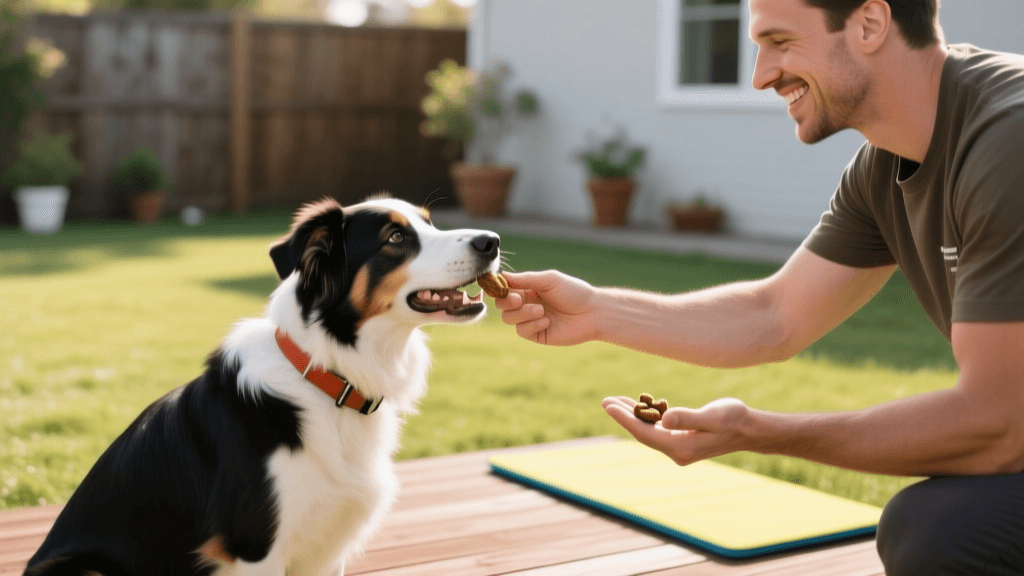
Begin indoors in a low-distraction environment. The goal is to classically condition the dog to associate the whistle with an immediate, massive reward. Blow one sharp blast on the Acme whistle, and within exactly one second, deliver a handful of high-value meat treats. Repeat this 10 times per session, twice a day. Do not require the dog to move toward you yet; simply build the neurological association that Whistle = Jackpot. By day 14, your dog should visibly perk up and look for food the moment they hear the blast.
Phase 2: Adding Distance and the Long Line (Weeks 3-4)
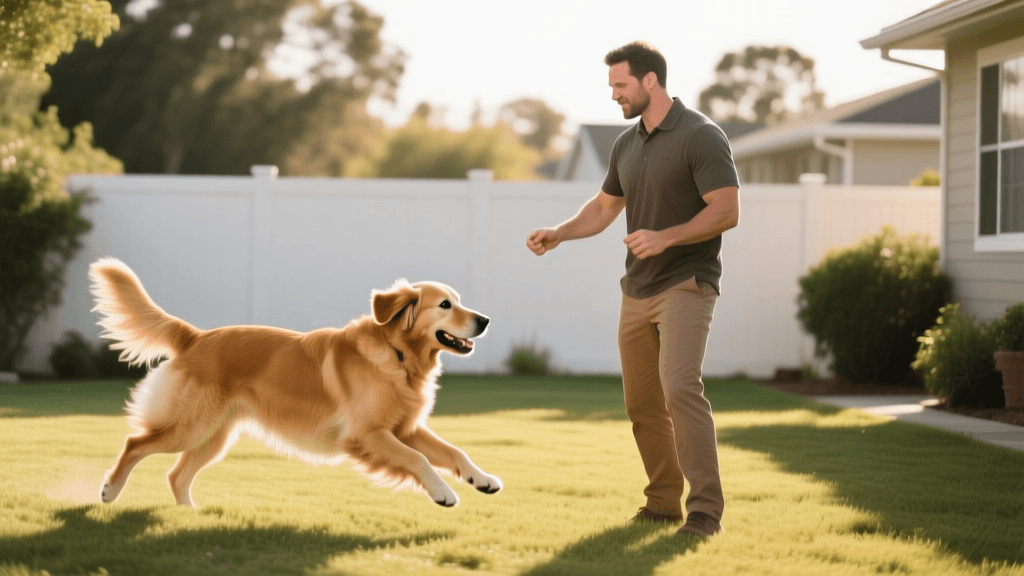
Move to a fenced yard or quiet field. Attach the 20-foot Biothane long line to your dog's back-clip harness (never a neck collar, to prevent tracheal damage if they hit the end of the line). Wait until your dog is mildly distracted, such as sniffing a bush. Blow the whistle once. If they turn toward you, praise enthusiastically and run backward to trigger their chase instinct. When they reach you, deliver the jackpot treat within the critical 3-second window. If they do not respond, do not repeat the whistle. Instead, gently reel them in using the long line, reward them for arriving, and note that the distraction level was too high for this phase.
Phase 3: Proofing Against High Distractions (Weeks 5-8)
Introduce controlled distractions. Have a family member toss a low-value toy or drop a piece of kibble on the ground. As your dog moves toward the distraction, blow the emergency whistle. The moment they abandon the distraction and orient toward you, mark the behavior with a 'Yes!' and deliver the highest value reward you have. Gradually increase the distance to the full 30 feet of the long line.
The 3-Second Rule and Timing Mechanics
In emergency recall training, timing is everything. Canine associative learning operates on a razor-thin window. The reward must be delivered within three seconds of the dog completing the recall, ideally the exact moment they reach your feet. If you fumble with treat bags or struggle to open containers, you lose the psychological impact of the jackpot. Keep your high-value rewards pre-loaded in an open-top training pouch worn on your hip. When the dog arrives, plunge your hand into the pouch and deliver a 'jackpot'—a continuous stream of 5 to 8 small pieces of meat fed one by one over five seconds. This prolongs the reward event and solidifies the dopamine release associated with the whistle.
Emergency Recall Progression Chart
Use the following data table to track your dog's training progression. Do not advance to the next phase until your dog meets the success metric for their current phase.
| Training Phase | Distance | Environment / Distraction | Reward Type | Success Metric |
|---|---|---|---|---|
| Phase 1: Charging | 2-5 feet | Quiet Indoor Room | Real Meat / Liver | 10/10 immediate orientation |
| Phase 2: Long Line | 10-20 feet | Fenced Yard / Mild Sniffing | Freeze-Dried Raw | 9/10 returns within 3 seconds |
| Phase 3: Proofing | 15-30 feet | Quiet Park / Tossed Toy | Jackpot (Handful of Meat) | 8/10 abandons distraction |
| Phase 4: Real World | Variable | Open Woods / Wildlife Scent | Life Reward + Jackpot | Consistent U-Turn on first blast |
Backup Strategies: The Emergency U-Turn
Even with rigorous training, extreme prey drive or terror can cause a dog to ignore the whistle. If your dog blows past the whistle cue, immediately employ the Emergency U-Turn. Turn your back to the dog, run in the opposite direction, and make bizarre, high-pitched noises (like kissing sounds or squealing). Dogs are biologically hardwired to investigate fleeing, erratic prey. This often breaks their fixation on the original trigger and triggers their instinct to chase you. Once they catch up, reward them heavily. Never chase a fleeing dog; it turns the interaction into a game of keep-away or triggers a flight response.
Critical Safety Rules to Prevent Cue Poisoning
The fastest way to ruin an emergency recall is 'cue poisoning.' This occurs when the dog learns that the whistle predicts an unpleasant outcome. To maintain the integrity of your emergency cue, adhere strictly to these rules:
- Never use the whistle for mundane tasks: Do not use it to call your dog for a bath, nail trim, or to leave the dog park. Use your standard verbal 'come' or 'let's go' for daily activities.
- Never punish the return: Even if you are frustrated, terrified, or angry that your dog bolted, you must praise and reward them the moment they return to you. Punishing a dog upon return teaches them that coming to you results in negative consequences.
- Limit frequency: Once the behavior is proofed, only use the emergency whistle once every few weeks during random, high-reward drills to keep the association strong without burning out the cue.
By investing the time, utilizing the proper safety gear, and respecting the psychological thresholds of your dog, you can forge an emergency recall that acts as an invisible lifeline. In the unpredictable world of dog ownership, this single trained behavior is the ultimate investment in your dog's safety and longevity.
hannah-wickes
All our authors care for dogs every day — read more of their work on the authors page.