Early-Onset Puppy Osteoarthritis: 2026 Treatment Guide
Discover 2026 veterinary protocols for treating early-onset osteoarthritis in puppies, including joint supplements, pain management, and physical therapy.
Understanding Early-Onset Osteoarthritis in Puppies
When most pet owners hear the term osteoarthritis (OA), they immediately picture senior dogs struggling to climb the stairs. However, early-onset osteoarthritis is a significant and painful reality for many puppies during their first year of life. According to the American College of Veterinary Surgeons, juvenile OA is almost always secondary to Developmental Orthopedic Diseases (DOD). Conditions such as hip dysplasia, elbow dysplasia, and Osteochondritis Dissecans (OCD) cause abnormal joint mechanics and cartilage wear in growing puppies, leading to inflammatory joint disease well before their first birthday.
Large and giant breed puppies—such as German Shepherds, Golden Retrievers, Labrador Retrievers, and Great Danes—are disproportionately affected due to their rapid growth rates and genetic predispositions. Managing early-onset OA in 2026 requires a multimodal approach that balances aggressive pain relief with the unique physiological needs of a growing skeletal system.
Recognizing the Signs of Juvenile OA
Puppies are notoriously stoic and will often mask pain until it becomes severe. Because they are still developing, the signs of early-onset OA can easily be mistaken for normal puppy clumsiness or simple fatigue. Key indicators that your puppy may be developing joint degeneration include:
- The 'Bunny-Hopping' Gait: Using both hind legs simultaneously when running or climbing stairs, rather than moving them independently.
- Morning Stiffness: Hesitance or visible stiffness when rising from a nap or first waking up in the morning, which improves slightly after 'warming up.'
- Reluctance to Perform High-Impact Activities: Sudden disinterest in jumping onto furniture, catching frisbees, or engaging in rough play with other dogs.
- Joint Licking or Chewing: Obsessively grooming a specific joint, such as the carpus (wrist) or stifle (knee), which indicates localized discomfort.
- Behavioral Changes: Uncharacteristic irritability, withdrawal, or snapping when touched around the hindquarters or shoulders.
2026 Veterinary Treatment Protocols for Growing Puppies
Treating a puppy with OA requires extreme care. Many standard adult arthritis treatments are contraindicated for dogs whose growth plates have not yet fused. The 2026 veterinary consensus focuses on joint preservation, safe pain modulation, and systemic inflammation reduction.
1. Disease-Modifying Osteoarthritis Drugs (DMOADs)
DMOADs are the cornerstone of juvenile OA management because they actively protect cartilage rather than just masking pain. The most common injectable DMOAD is Polysulfated Glycosaminoglycan (PSGAG), widely known by the brand name Adequan Canine. The standard protocol involves a loading series of intramuscular injections administered twice weekly for four weeks, followed by a monthly maintenance dose. PSGAG works by inhibiting the enzymes that break down joint cartilage while stimulating the production of healthy synovial fluid, providing a protective environment for the growing joint.
2. Pain Management: NSAIDs vs. Monoclonal Antibodies
Non-Steroidal Anti-Inflammatory Drugs (NSAIDs) like Meloxicam and Carprofen remain the first-line pharmacological defense for acute pain flare-ups in puppies. However, they must be used at the lowest effective dose and monitored via routine bloodwork to protect the puppy's developing liver and kidneys.
A major topic in 2026 veterinary rheumatology is the use of anti-Nerve Growth Factor (anti-NGF) monoclonal antibodies, such as bedinvetmab (Librela). While these monthly injections have revolutionized OA care in adult dogs, they are strictly contraindicated in puppies under 12 months of age. NGF is essential for normal neurological and skeletal development in growing animals. Administering anti-NGF therapies to a puppy can result in severe developmental abnormalities. Therefore, veterinarians rely on traditional NSAIDs, Gabapentin, and DMOADs for juvenile patients.
3. Nutritional Interventions and Joint Supplements
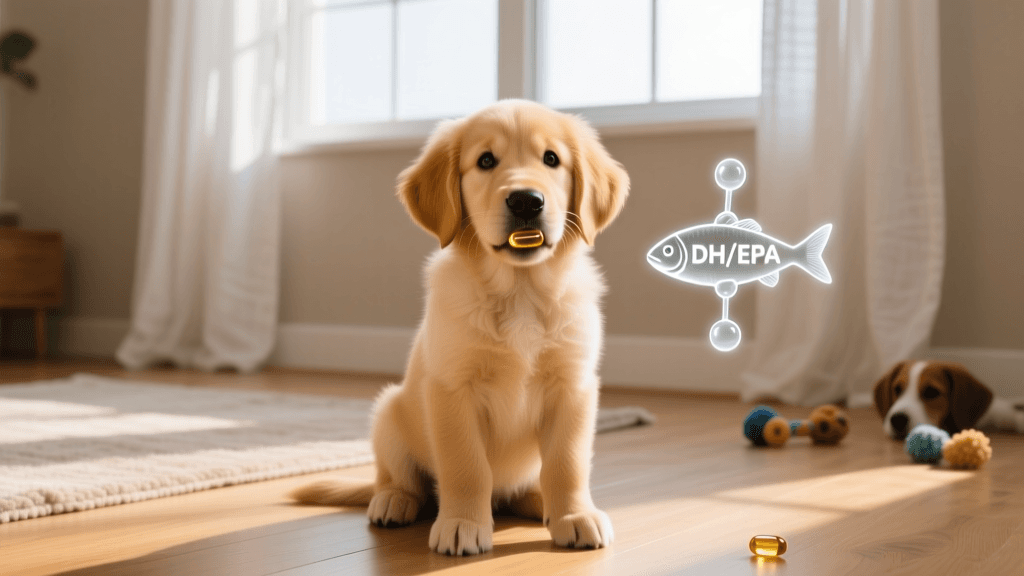
Nutraceuticals play a vital role in modulating joint inflammation. The American Kennel Club emphasizes the importance of therapeutic levels of Omega-3 fatty acids, specifically EPA and DHA derived from wild-caught fish oil or algae. To achieve an anti-inflammatory effect, puppies require much higher doses than what is found in standard commercial puppy foods—typically around 300mg of combined EPA/DHA per 10 pounds of body weight.
Additionally, Green-Lipped Mussel (Perna canaliculus) extract and Undenatured Type II Collagen (UC-II) have shown immense promise in 2026 clinical trials for reducing joint swelling and improving mobility in young dogs with developmental dysplasia.
Comparison Chart: 2026 Puppy Joint Interventions
| Intervention Type | Primary Active Ingredient | Mechanism of Action | Est. 2026 Monthly Cost |
|---|---|---|---|
| Injectable DMOAD | Polysulfated Glycosaminoglycan (PSGAG) | Inhibits cartilage-degrading enzymes; boosts synovial fluid. | $45 - $75 |
| Prescription NSAID | Meloxicam / Carprofen | Blocks COX enzymes to reduce acute pain and joint swelling. | $30 - $60 |
| Therapeutic Omega-3 | EPA / DHA (Fish or Algae Oil) | Competes with arachidonic acid to lower systemic inflammation. | $25 - $40 |
| Collagen Supplement | UC-II (Undenatured Type II Collagen) | Modulates the immune system to prevent cartilage attack. | $35 - $50 |
Physical Rehabilitation and Environmental Modifications
Medication alone cannot rebuild muscle or correct biomechanical faults. Canine physical rehabilitation is a mandatory component of early-onset OA treatment. Hydrotherapy, specifically the use of an underwater treadmill, allows puppies to build the stabilizing muscles around their hips and shoulders without the concussive force of gravity and hard surfaces. The buoyancy of the water supports their weight, while the resistance builds crucial lean muscle mass.
At home, environmental modifications are just as critical. Slippery hardwood or tile floors force a puppy's legs to splay outward, placing immense torque on dysplastic joints. Covering high-traffic areas with slip-resistant rugs, interlocking foam mats, or applying temporary paw grips (like Dr. Buzby's ToeGrips) can dramatically improve a puppy's confidence and stability. Furthermore, investing in a high-density, orthopedic puppy bed ensures that their joints are properly supported during the 18+ hours a day they spend sleeping.
Weight Management: The Most Critical Factor
If there is one universal truth in veterinary orthopedics, it is that excess weight accelerates joint destruction. According to the Washington State University Veterinary Teaching Hospital, maintaining a lean body condition is the single most effective modifiable factor in slowing the progression of OA. For a puppy with early-onset OA, the target Body Condition Score (BCS) should be a strict 4 out of 9. You should be able to easily feel their ribs without pressing hard, and they should have a visible abdominal tuck when viewed from the side. Overfeeding, even by a small margin during the rapid growth phases of the first year, exponentially increases the mechanical load on compromised cartilage.
Long-Term Prognosis and Surgical Considerations
While medical management is highly effective, some puppies with severe developmental anomalies may require surgical intervention to prevent crippling OA in adulthood. Procedures such as Juvenile Pubic Symphysiodesis (JPS) can alter the growth of the pelvis to improve hip coverage, but this must be performed before the puppy is 20 weeks old. Other options, like the Triple Pelvic Osteotomy (TPO) or total joint replacements, are evaluated on a case-by-case basis by a board-certified veterinary surgeon.
Ultimately, a diagnosis of early-onset osteoarthritis in a puppy is not a reason to despair. With the advanced, multimodal treatment protocols available in 2026, strict weight management, and dedicated physical therapy, the vast majority of these puppies go on to live active, comfortable, and joyful lives well into their senior years.
robin-maitland
All our authors care for dogs every day — read more of their work on the authors page.