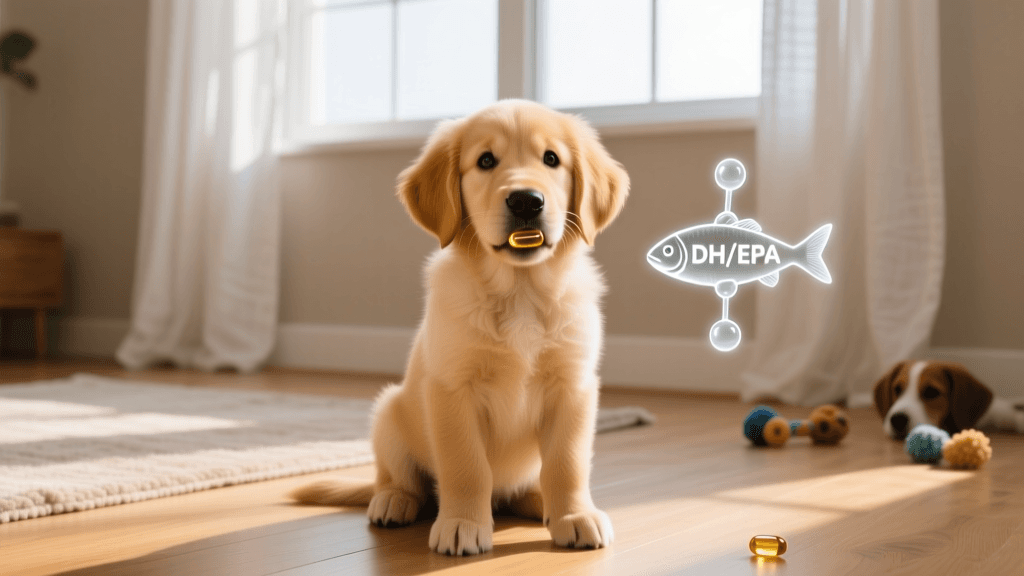
Best Omega-3 Supplements for Puppies in 2026: Top DHA Picks
Discover the best Omega-3 DHA and EPA supplements for puppies in 2026. Learn safe dosing, brain development benefits, and top fish oil picks.
The First Year: Why Puppy Brains Crave DHA
The first twelve months of a puppy's life are characterized by explosive physical and neurological growth. While high-quality puppy kibble provides the foundational macronutrients needed for muscle and bone development, veterinary nutritionists in 2026 are increasingly emphasizing the critical role of targeted Omega-3 fatty acid supplementation. Specifically, Docosahexaenoic acid (DHA) and Eicosapentaenoic acid (EPA) are essential fats that a puppy's body cannot synthesize in sufficient quantities on its own. During the rapid brain growth phases that occur between 8 weeks and 6 months of age, DHA becomes a primary structural component of the cerebral cortex and the retina. Puppies deprived of adequate DHA during this critical developmental window may experience delayed cognitive maturation, which can directly impact their ability to focus during early socialization and potty training.
According to the American Kennel Club, incorporating fish oil or algae-based Omega-3s into a puppy's diet not only supports neurological health but also fosters a lustrous coat, reduces allergic skin reactions, and lubricates developing joints. However, dosing a growing puppy is vastly different from supplementing an adult dog. Over-supplementation can lead to gastrointestinal distress, altered blood clotting, and excessive caloric intake, making precision and product quality paramount for new pet parents.
DHA vs. EPA: Understanding the Puppy Ratio
When shopping for Omega-3 supplements, you will notice two primary active ingredients listed on the nutritional panel: DHA and EPA. While both are beneficial, their roles in a puppy's body differ significantly.
- DHA (Docosahexaenoic Acid): This is the ultimate brain-builder. DHA is heavily concentrated in the brain and eyes. For puppies under one year of age, DHA is the most critical Omega-3 fatty acid. Studies have consistently shown that puppies fed DHA-enriched diets make fewer errors in maze navigation, exhibit better trainability, and demonstrate enhanced problem-solving skills compared to their DHA-deficient littermates.
- EPA (Eicosapentaenoic Acid): EPA is the primary anti-inflammatory agent. While puppies do not typically suffer from the chronic joint inflammation seen in senior dogs, EPA plays a vital role in modulating the immune system, supporting cardiovascular health, and managing the micro-inflammation associated with rapid bone growth in large breed puppies.
For adult dogs, a balanced 1:1 or even EPA-heavy ratio is often recommended for joint and heart health. However, for puppies in their first year, veterinary nutritionists recommend a formulation that is heavily skewed toward DHA, often in a 2:1 or 3:1 DHA-to-EPA ratio, to prioritize cognitive and visual development.
2026 Veterinary Dosing Guidelines for Puppies
Dosing Omega-3s for puppies requires careful calculation based on their current weight and expected adult size. The World Small Animal Veterinary Association (WSAVA) stresses that supplements should be introduced gradually and adjusted as the puppy grows. Below is a general 2026 dosing framework for combined DHA and EPA tailored for growing puppies. Always consult your primary veterinarian before starting a new supplement regimen, especially if your puppy is on a prescription growth diet.
| Puppy Weight (lbs) | Daily DHA Target (mg) | Daily EPA Target (mg) | Total Omega-3 (mg) | Typical Pump Count (Liquid) |
|---|---|---|---|---|
| 5 - 10 lbs | 75 - 100 mg | 25 - 40 mg | 100 - 140 mg | 1/2 Pump |
| 11 - 25 lbs | 150 - 200 mg | 50 - 75 mg | 200 - 275 mg | 1 Pump |
| 26 - 50 lbs | 250 - 350 mg | 100 - 150 mg | 350 - 500 mg | 1.5 - 2 Pumps |
| 51 - 75 lbs | 400 - 500 mg | 150 - 200 mg | 550 - 700 mg | 2 - 3 Pumps |
| 76+ lbs (Large Breed) | 500 - 650 mg | 200 - 300 mg | 700 - 950 mg | 3 - 4 Pumps |
Note: Pump volumes vary wildly between brands. Always read the specific product's guaranteed analysis to calculate exactly how many milligrams of DHA and EPA are dispensed per pump or capsule.
Top Omega-3 Formats for Growing Pups
The source and molecular structure of the Omega-3 supplement dictate how well your puppy's digestive system can absorb it. In 2026, the market has shifted heavily toward highly bioavailable, sustainably sourced options.
1. Wild-Caught Alaskan Salmon Oil (Triglyceride Form)
Salmon oil remains the gold standard for canine Omega-3s. However, you must look for oils in their natural triglyceride (TG) form rather than synthetic ethyl esters (EE). The TG form is vastly superior for a puppy's developing digestive tract, ensuring maximum absorption of DHA. Wild-caught Alaskan salmon is preferred over farmed Atlantic salmon due to lower risks of PCB contamination and a more favorable natural fatty acid profile.
2. Microalgae Oil (The Vegan DHA Powerhouse)
For puppies with fish allergies or sensitive stomachs, microalgae oil has emerged as a premier alternative in 2026. Algae is the original source of DHA in the marine food chain (fish get their Omega-3s by eating algae). Algae-based supplements offer highly concentrated DHA without the risk of heavy metal bioaccumulation or the 'fishy burps' that can cause puppy bad breath. It is also the most ecologically sustainable option on the market.
3. Antarctic Krill Oil
Krill oil provides Omega-3s bound to phospholipids, which are exceptionally easy for a puppy's cellular membranes to absorb. Additionally, krill oil naturally contains astaxanthin, a potent antioxidant that preserves the oil from rancidity and provides extra cellular protection for a puppy's developing immune system.
Large Breed vs. Small Breed Considerations
The first year of a Great Dane's life looks vastly different from that of a Chihuahua, and their Omega-3 requirements reflect this. Large and giant breed puppies (those expected to weigh over 70 lbs as adults) are highly susceptible to developmental orthopedic diseases such as osteochondritis dissecans (OCD) and hip dysplasia. While calcium and phosphorus ratios usually get all the attention in large breed puppy diets, the anti-inflammatory properties of EPA are crucial for mitigating joint capsule inflammation during rapid growth spurts. Large breed puppies may require the upper limits of the dosing chart provided above, carefully monitored by a veterinarian to ensure the extra fat calories do not push their growth rate beyond safe skeletal limits.
Conversely, small breed puppies have incredibly fast metabolisms and a higher risk of hypoglycemia. They require highly concentrated Omega-3 sources so that the volume of oil added to their tiny meals does not displace the vital proteins and calories they need for baseline energy and thermoregulation.
Reading the Label: Purity and Sustainability in 2026
Not all fish oils are created equal. The supplement industry is loosely regulated, meaning a bottle labeled 'Salmon Oil' could be rancid, oxidized, or laced with environmental toxins. When selecting an Omega-3 supplement for your puppy in 2026, look for the following certifications on the label:
- IFOS (International Fish Oil Standards) 5-Star Rating: This independent third-party testing guarantees the oil is free from harmful levels of mercury, lead, and PCBs, and confirms that the DHA/EPA levels match the label claims.
- Marine Stewardship Council (MSC) Certification: Ensures the fish were harvested using sustainable practices that do not deplete ocean ecosystems.
- NASC (National Animal Supplement Council) Quality Seal: Indicates the manufacturer adheres to strict quality control and labeling standards specific to animal health products.
Avoid any human-grade Omega-3 gummies or flavored liquids, as these often contain xylitol (highly toxic to dogs), artificial sweeteners, or citrus oils that can cause severe gastrointestinal upset in puppies.
Integrating Omega-3s with Training Milestones
The cognitive benefits of DHA are most apparent when paired with active early socialization and obedience training. If you are working on potty training, recall, or crate training during the 3-to-6-month window, a DHA-rich diet acts as neurological scaffolding. Puppies with optimized DHA levels tend to exhibit longer attention spans and recover from the stress of new environments more quickly. To maximize this benefit, schedule your most intensive training sessions for the morning, shortly after your puppy has consumed their DHA-supplemented breakfast, allowing the fatty acids to be actively utilized during periods of high cognitive demand.
Safe Storage to Prevent Oxidation
Omega-3 fatty acids are highly unstable and prone to oxidation when exposed to heat, light, and oxygen. Rancid fish oil is not only ineffective; it can cause severe diarrhea, vomiting, and systemic inflammation in a puppy's delicate gut. To preserve the integrity of the supplement:
- Always store liquid fish or algae oils in the refrigerator immediately after opening.
- Opt for pump bottles that limit the oil's exposure to air, rather than squeeze bottles that introduce oxygen into the container every time they are used.
- Perform the 'sniff test' before every use. While fish oil naturally smells like the ocean, a sharp, acrid, or overwhelmingly rotten odor indicates the oil has oxidized and must be discarded immediately.
- Use the product within 60 to 90 days of opening, regardless of the expiration date printed on the bottle.
Conclusion: Setting the Foundation for a Healthy Life
Investing in a high-quality, DHA-rich Omega-3 supplement during your puppy's first year is one of the most impactful decisions you can make for their long-term health. By supporting rapid brain development, soothing growing joints, and fostering a robust immune system, you are setting the stage for a highly trainable, vibrant, and healthy adult dog. Remember to introduce the oil slowly, monitor your puppy's stool for any signs of digestive sensitivity, and work closely with your veterinarian to tailor the dosage to your pup's unique growth trajectory.
tom-renshaw
All our authors care for dogs every day — read more of their work on the authors page.