7 Dangerous Mistakes to Avoid When Driving With Your Dog
Planning a road trip with your pup? Discover the top dangerous mistakes to avoid when driving with your dog to ensure a safe and stress-free journey.

The Hidden Dangers of Hitting the Road With Your Dog
Taking your dog on a road trip is one of the greatest joys of pet ownership. Whether you are heading to a local park, embarking on a cross-country adventure, or simply running errands, your furry best friend is likely your favorite copilot. However, sharing your vehicle with a dog comes with significant safety responsibilities that many owners overlook. According to the ASPCA's guidelines on safe car travel, an unrestrained pet is not only a major distraction to the driver but also a severe hazard to themselves and other passengers in the event of a collision.
As a senior dog care advocate, I have seen countless well-meaning owners make critical errors when transporting their pets. To keep your dog safe, healthy, and happy, you must understand the risks. Here are the top seven dangerous mistakes you must absolutely avoid when driving with your dog.
Mistake 1: Letting Your Dog Ride in the Front Seat
It might seem adorable to have your dog sitting right next to you in the passenger seat, but this is one of the most dangerous choices you can make. Modern vehicles are equipped with passenger-side airbags designed specifically to protect the skeletal structure of an average-sized human adult. These airbags deploy at speeds of up to 200 miles per hour.
If your dog is in the front seat when an airbag deploys, the sheer force of the impact can cause catastrophic, often fatal, injuries to their head, neck, and spine. Furthermore, a dog in the front seat is highly likely to climb into your lap, obstruct your view of the road, or interfere with the steering wheel and pedals.
What to Do Instead:
Always secure your dog in the back seat or the rear cargo area of an SUV or hatchback. The back seat is significantly safer in the event of a frontal collision and keeps your dog out of the deployment zone of front airbags.
Mistake 2: Using the Wrong Restraint System (or None at All)
Many owners mistakenly believe that simply placing a dog in the back seat is enough, or they use cheap, untested restraints like ziplines attached to the dog's collar or standard walking harnesses. In a sudden stop or crash, a collar can cause severe tracheal damage, and standard walking harnesses will easily snap or tear under the kinetic force of a crashing vehicle.
Warning: A 50-pound unrestrained dog becomes a 2,000-pound projectile in a crash at just 30 mph. This poses a lethal threat to every human and animal inside the vehicle.
To ensure maximum protection, you must use equipment that has been rigorously crash-tested. The Center for Pet Safety conducts independent crash-test studies on pet travel products, and their data reveals that many popular commercial harnesses fail catastrophically under crash conditions.
Restraint Systems Comparison Chart
| Restraint Type | Safety Rating | Best Use Case | Examples / Brands |
|---|---|---|---|
| Crash-Tested Harness | Excellent | Back seat travel for medium/large dogs | Sleepypod Clickit Sport, Kurgo Tru-Fit |
| Crash-Tested Crate | Excellent | Cargo area travel for all sizes | Gunner Kennels G1, Ruff Land Performance |
| Zip-Line Tether | Poor / Dangerous | Do NOT use in moving vehicles | Generic pet tethers |
| Standard Walking Harness | Poor / Dangerous | Walking only, never for car travel | Standard nylon/mesh harnesses |
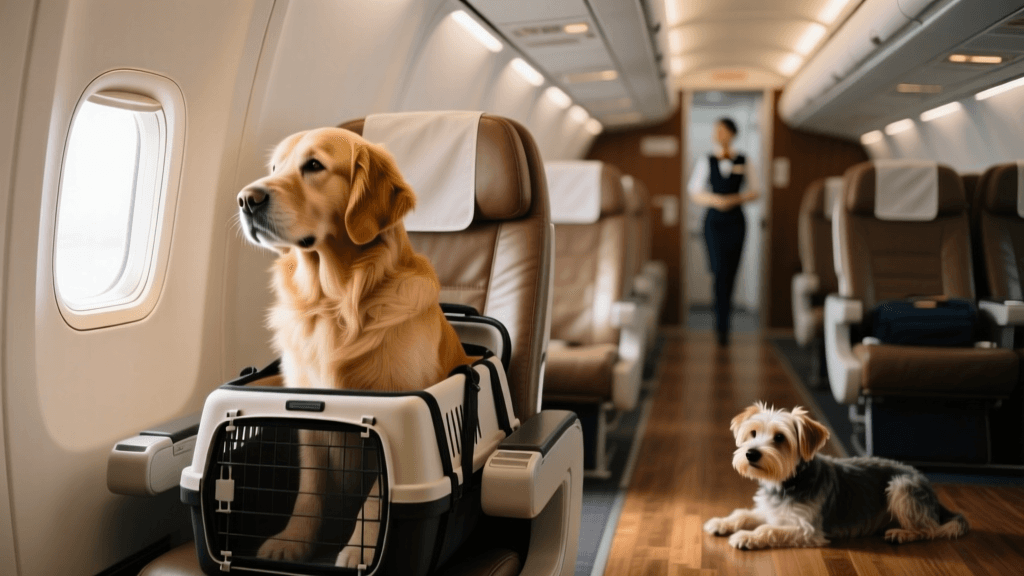
| Wire/Fabric Carrier | Poor / Dangerous | Airline cabin (if approved), not cars | Generic soft-sided carriers |
Always look for the Center for Pet Safety (CPS) certification logo when purchasing car safety gear for your dog.
Mistake 3: Allowing Your Dog to Hang Their Head Out the Window
We have all seen the classic image of a happy dog with its ears flapping in the wind, head hanging out of a moving car window. While it looks like pure joy, it is incredibly hazardous. When your dog's head is outside the vehicle, their eyes, ears, and nose are completely exposed to flying debris, rocks, insects, and dust.
At highway speeds, a tiny pebble or a stray bug can cause severe corneal ulcers, lacerations, or permanent eye damage. Additionally, dogs can easily be distracted by a passing animal or smell, leading them to jump or fall out of the moving vehicle, which is almost always fatal.
What to Do Instead:
Keep your car windows rolled up or cracked only enough to allow fresh air to circulate (no more than two inches). If you want to provide your dog with a view and fresh air, invest in a specialized dog car window guard or mesh screen that allows airflow while physically blocking your dog from sticking their head out.
Mistake 4: Leaving Your Dog in a Parked Car
This is perhaps the most common and deadly mistake dog owners make. Many people believe that if they park in the shade, leave the windows cracked, or only run into a store for 'just five minutes,' their dog will be fine. The reality of thermodynamics inside a parked vehicle is terrifying.
The American Veterinary Medical Association (AVMA) warns that the temperature inside a parked car can rise by 20 degrees Fahrenheit in just 10 minutes, and 40 degrees in an hour, even on a mild 70°F day. Dogs do not sweat through their skin like humans; they cool themselves primarily by panting. When the ambient air temperature inside a car exceeds their body temperature, panting becomes useless, and heatstroke sets in rapidly, leading to organ failure and death.
The Parked Car Temperature Danger Zone
| Outside Temperature | Time Elapsed | Estimated Interior Car Temperature |
|---|---|---|
| 70°F (21°C) | 10 Minutes | 89°F (31°C) |
| 70°F (21°C) | 30 Minutes | 104°F (40°C) |
| 80°F (26°C) | 10 Minutes | 99°F (37°C) |
| 80°F (26°C) | 30 Minutes | 114°F (45°C) |
| 90°F (32°C) | 10 Minutes | 109°F (42°C) |
The Golden Rule: If you cannot bring your dog inside the destination with you, leave them at home. Period.
Mistake 5: Feeding a Full Meal Right Before the Trip
Just like humans, dogs can suffer from motion sickness. Feeding your dog a large, heavy meal immediately before getting into the car is a recipe for gastrointestinal distress. The combination of a full stomach and the sensory disorientation of a moving vehicle frequently leads to nausea, excessive drooling, and vomiting.
Cleaning up vomit in a moving car is not only unpleasant but also highly distracting for the driver, creating a secondary safety hazard.
What to Do Instead:
Feed your dog their main meal three to four hours before you plan to depart. This gives their digestive system ample time to process the food. During the trip, offer small, bland treats for positive reinforcement, and provide small amounts of water at regular rest stops to keep them hydrated without overfilling their stomach.
Mistake 6: Skipping the Acclimation Process
Many owners make the mistake of assuming their dog will naturally love car rides, only to load them into the vehicle for a two-hour highway drive and discover their pet is terrified. Forcing a highly anxious dog into a prolonged car ride can lead to panic attacks, destructive behavior, excessive vocalization, and long-term vehicular phobias.
What to Do Instead:
Acclimate your dog to the car gradually over several weeks. Start by simply sitting in the parked car with the engine off, offering high-value treats like freeze-dried liver or peanut butter. Next, turn the engine on without moving. Then, take a short drive around the block, ending at a fun location like a park. Slowly increase the duration of the drives, ensuring every car trip ends on a positive note.
Mistake 7: Forgetting the Pet Travel Kit
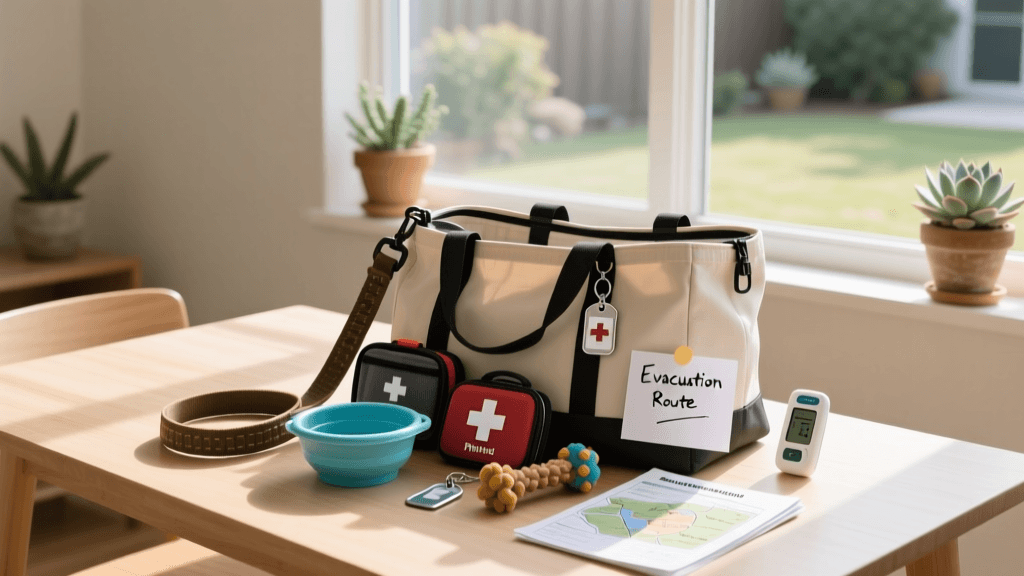
Hitting the road without a dedicated travel kit for your dog is a logistical nightmare waiting to happen. Relying on finding pet supplies at your destination or assuming you can share your human water bottles and snacks is a mistake that compromises your dog's health and comfort.
The Essential Dog Road Trip Checklist:
- Collapsible Silicone Bowls: For easy food and water dispensing at rest stops.
- Gallons of Familiar Water: Sudden changes in water sources can cause severe diarrhea in dogs. Bring enough water from home to last the first few days of your trip.
- Canine First-Aid Kit: Including styptic powder, vet wrap, tweezers, and saline eye wash.
- Vaccination Records & ID: Keep physical copies of their rabies certificate and ensure their microchip contact info is updated. Many hotels, parks, and emergency vet clinics require proof of vaccination.
- Enzymatic Stain Remover: For immediate cleanup of any car sickness or accidents.
- Favorite Comfort Items: A familiar blanket or worn t-shirt with your scent to reduce anxiety in new environments.
Final Thoughts on Safe Dog Travel
Driving with your dog should be a bonding experience, not a stressful or dangerous ordeal. By avoiding these seven critical mistakes, you are not just obeying best practices; you are actively protecting your dog's life and the lives of everyone on the road. Invest in crash-tested gear, respect the laws of thermodynamics regarding parked cars, and take the time to properly prepare your pup for the journey ahead. Safe travels!
marcus-aldridge
All our authors care for dogs every day — read more of their work on the authors page.