Flying With Dogs: Answering Google's Top Questions
Planning to fly with your dog? We answer Google's most-asked questions about airline pet policies, cargo vs. cabin rules, costs, and carrier sizes.
Can My Dog Fly in the Cabin With Me?
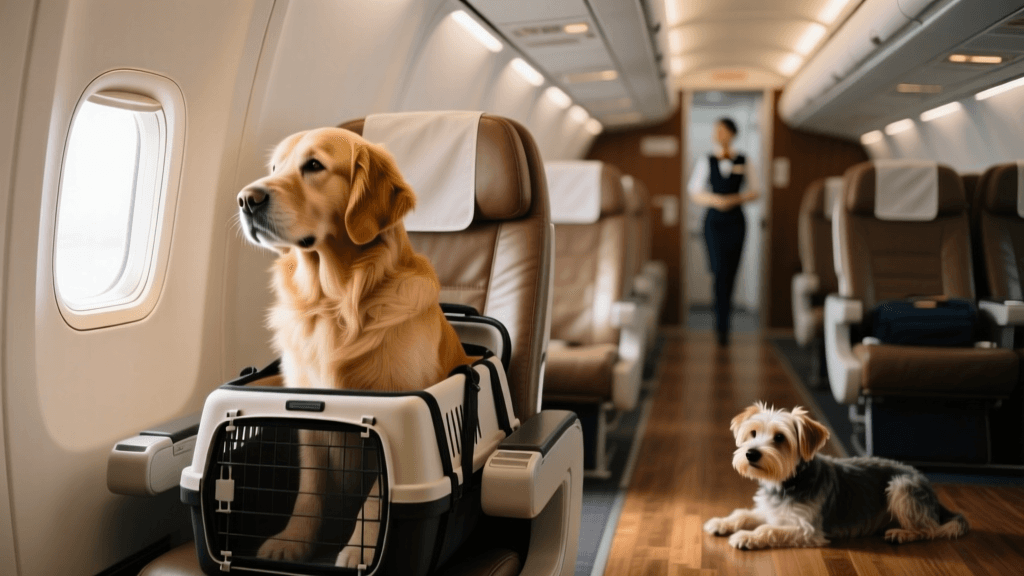
One of the most frequent questions pet parents type into search engines is whether their furry friend can join them in the airplane cabin. The short answer is yes, but with strict size and weight limitations. Most major domestic airlines, including Delta, United, and American Airlines, allow small dogs to fly in the cabin provided they fit comfortably in an airline-approved soft-sided carrier that stows completely under the seat in front of you.
Generally, the combined weight of the dog and the carrier must not exceed 20 pounds. Carrier dimensions vary slightly by airline and aircraft type, but a standard soft-sided carrier measuring 18 inches long by 11 inches wide by 11 inches high is widely accepted. Because the carrier counts as your personal item or carry-on, you will need to check any additional luggage. It is crucial to call the airline directly after booking your ticket to reserve a spot for your dog, as airlines cap the number of pets allowed in the cabin per flight—usually between two and six.
What Are the Rules for Flying Dogs in Cargo?
If your dog exceeds the cabin weight limit, they must travel in the climate-controlled, pressurized cargo hold. This is often the most anxiety-inducing topic for pet owners, but understanding the International Air Transport Association (IATA) Live Animals Regulations can provide peace of mind. IATA sets the global standard for safe pet transport, and all major airlines adhere to these strict guidelines.
For cargo travel, soft-sided carriers are strictly prohibited. Your dog must travel in a hard-sided, fiberglass or rigid plastic kennel secured with metal nuts and bolts (plastic clips are not permitted). The crate must be large enough for your dog to stand up without their head touching the top, turn around comfortably, and lie down in a natural position. Additionally, the kennel must have ventilation on at least three sides for domestic flights, and four sides for international travel. Airlines also enforce seasonal temperature embargoes, refusing to board pets in cargo if the tarmac temperature at the departure, layover, or destination airport falls below 45°F (7°C) or exceeds 85°F (29°C) to prevent hypothermia or heatstroke.
Cabin vs. Cargo: A Quick Comparison
| Feature | Cabin Travel | Cargo Travel |
|---|---|---|
| Weight Limit | Usually under 20 lbs (with carrier) | No strict upper limit (varies by aircraft) |
| Carrier Type | Soft-sided, flexible under-seat bag | Hard-sided, IATA-compliant rigid kennel |
| Check-In | At the main passenger ticket counter | At the airline's dedicated cargo facility |
| Cost (One-Way) | $95 to $150 flat fee | $250 to $1,000+ (based on weight/distance) |
| Booking Window | Must be added to your passenger reservation | Booked separately via airline cargo division |
How Much Does It Cost to Fly With a Dog?
Budgeting for pet travel requires looking beyond the airline ticket. For cabin travel, expect to pay a flat pet fee ranging from $95 to $150 each way, depending on the airline. For cargo travel, pricing is dynamic and based on the combined weight of your dog and the crate, as well as the flight distance. A 50-pound dog in a large crate flying cross-country can cost anywhere from $500 to over $1,000.
However, airline fees are only part of the equation. You must also factor in veterinary and administrative costs. An official health certificate from your veterinarian typically costs between $50 and $150. If you are traveling internationally or to specific states like Hawaii, this certificate must be endorsed by the USDA APHIS, which adds a $38 fee. Finally, purchasing an IATA-compliant cargo crate can cost anywhere from $100 for a medium-sized dog to over $350 for a giant breed.
What Health Documents Are Required?
Airlines and government agencies require proof that your dog is healthy and vaccinated. According to the American Veterinary Medical Association (AVMA), most domestic airlines require a Certificate of Veterinary Inspection (CVI), commonly known as a health certificate, issued within 10 days of your outbound flight. Some airlines require a second, updated certificate for the return flight if your trip lasts longer than 10 days.
For international travel, the paperwork becomes significantly more complex. The Centers for Disease Control and Prevention (CDC) strictly regulates the importation of dogs to prevent the spread of rabies. Dogs entering the United States from high-risk rabies countries must have a valid rabies vaccination certificate, an ISO-compatible microchip, and often require a CDC Dog Import Permit. Always check the destination country's specific agricultural website at least three months in advance, as some nations require a rabies titer test (FAVN-OIE) and a mandatory waiting period of up to six months before entry.
Can I Give My Dog Sedatives or Anxiety Medication?
A highly searched question is whether owners can tranquilize their dogs to keep them calm during a flight. The AVMA and IATA strongly advise against using sedatives or tranquilizers for air travel. At high altitudes, the cabin and cargo hold experience changes in barometric pressure and reduced oxygen levels. Sedatives can suppress a dog's cardiovascular and respiratory systems, making it incredibly difficult for them to regulate their body temperature and breathing, which can lead to fatal complications.
Instead of chemical sedation, veterinarians recommend natural calming alternatives. Pheromone sprays like Adaptil, calming treats containing L-theanine or hemp, and anxiety wraps like the Thundershirt can provide comfort without altering your dog's vital functions. If your dog suffers from severe travel anxiety, consult your veterinarian about non-sedating anti-anxiety medications, such as trazodone or gabapentin, but always do a trial run at home weeks before the flight to observe how your dog reacts.
How Should I Feed and Water My Dog Before a Flight?
Proper feeding and hydration are critical for a safe journey. USDA and IATA regulations dictate that dogs traveling in cargo must be fed within four hours prior to check-in, but not within two hours of the flight. This ensures they have enough energy but reduces the likelihood of an upset stomach or vomiting during transit. You must also sign a certification at the cargo drop-off confirming the exact time your dog was last fed and offered water.
For hydration, freeze a small dish of water the night before and attach it to the inside of the crate door. This provides a slow-release water source that won't spill during loading and unloading. For cabin travel, offer your dog a light meal three to four hours before arriving at the airport, and provide small sips of water during the security screening process and while waiting at the gate.
Step-by-Step Preparation Timeline
Successful air travel requires weeks of preparation. Follow this timeline to ensure a smooth journey:
- 8 Weeks Before: Purchase the correct airline-approved carrier or IATA cargo crate. Begin crate training immediately. Leave the crate open in your living room, feed your dog their meals inside it, and take them on short car rides in the crate to build positive associations.
- 4 Weeks Before: Book your flight and immediately call the airline to add your dog to the reservation. If traveling internationally, review the destination country's import requirements and schedule any necessary rabies titer tests.
- 2 Weeks Before: Do a dry run at the airport. Drive to the terminal, walk your dog through the busy parking garages and departure lanes, and practice setting up the carrier. This desensitizes them to the loud noises and chaotic environments of the airport.
- 48 Hours Before: Visit your veterinarian to obtain your health certificate. Double-check that your dog's collar has an up-to-date ID tag and that their microchip information is registered and current.
- Day of Flight: Arrive at the airport at least two hours early for cabin travel, and three to four hours early for cargo drop-off. Take your dog to the designated pet relief area before heading through security.
Flying with your dog requires meticulous planning, but by understanding the rules and preparing your pet well in advance, you can ensure a safe and stress-free journey to your destination.
marcus-aldridge
All our authors care for dogs every day — read more of their work on the authors page.