Bringing Home a Senior Dog: Preparation and First-Month Care
Discover how to prepare your home and provide essential first-month care when adopting a senior dog. Includes costs, gear, and vet tips.
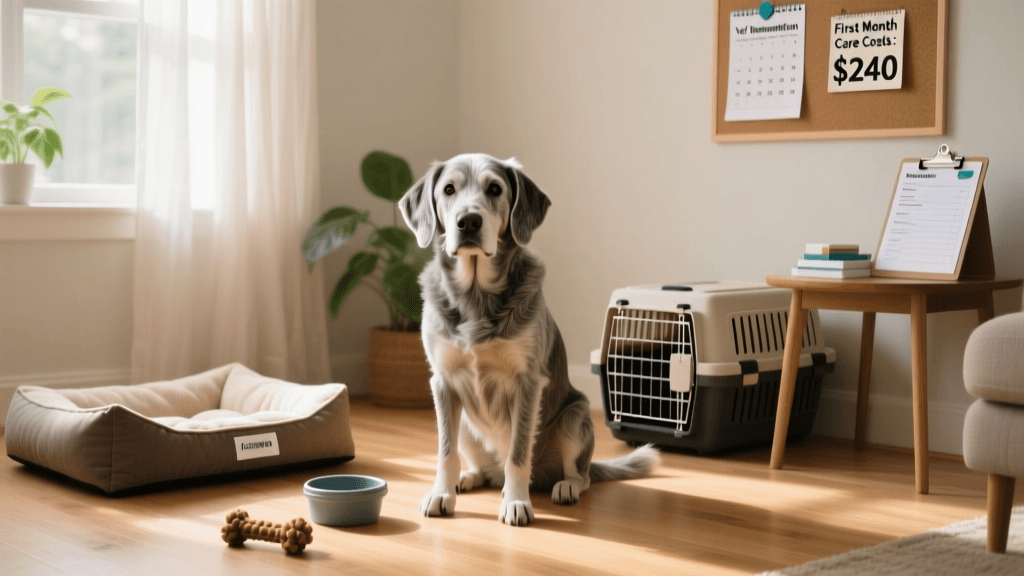
Why Adopt a Senior Dog?
When prospective owners begin their journey to get a dog, they often gravitate toward puppies or young adults. However, adopting a senior dog is one of the most rewarding decisions you can make. Older dogs typically come with established temperaments, are often already house-trained, and require less intense physical exercise than their younger counterparts. Yet, bringing home an aging canine requires a distinct approach to home preparation, veterinary care, and daily management. This life stage care guide will walk you through the essential steps to prepare your home, manage first-month costs, and ensure your new senior companion transitions smoothly into their forever home.
Defining the Senior Life Stage
Before you bring your new dog home, it is crucial to understand what constitutes a "senior" dog, as this varies significantly by breed and size. According to the American Kennel Club (AKC), aging timelines are not one-size-fits-all. Larger dogs age much faster than smaller breeds, meaning your preparation and anticipated veterinary needs will differ based on the dog's physical profile.
- Small Breeds (under 20 lbs): Typically enter their senior years between 10 and 12 years of age. Chihuahuas, Pomeranians, and Toy Poodles often remain spry well into their early teens.
- Medium Breeds (21 to 50 lbs): Generally considered seniors around 8 to 10 years of age. Breeds like Beagles and Cocker Spaniels fall into this category.
- Large Breeds (51 to 90 lbs): Enter their senior phase between 6 and 8 years of age. Labrador Retrievers and German Shepherds require early joint support and mobility planning.
- Giant Breeds (over 90 lbs): Can be considered seniors as early as 5 to 6 years old. Great Danes and Saint Bernards need immediate orthopedic and cardiac screening upon adoption.
Preparing Your Home for an Aging Canine
Preparing your home for a senior dog goes beyond buying food and water bowls. You must proactively modify your environment to accommodate declining vision, hearing loss, and joint stiffness (such as osteoarthritis or hip dysplasia).
Mobility Aids and Flooring
Slippery hardwood or tile floors are a major hazard for senior dogs, often leading to splayed legs and exacerbated joint pain. Lay down interlocking foam mats (like Pawnotch or Gorilla Mats) or secure non-slip yoga mats in high-traffic areas and near their sleeping zones. If your dog needs to access furniture or vehicles, invest in a ramp rather than stairs. Look for a ramp with an incline between 18 and 25 degrees, covered in high-traction material like ribbed carpet or rubber. The PetSafe CozyUp Folding Ramp is a reliable option that supports up to 150 pounds.
Orthopedic Bedding and Sleep Zones
Standard dog beds do not provide adequate support for aging joints. You must invest in a high-density orthopedic memory foam bed. Look for a bed that is at least 4 to 7 inches thick to ensure the dog's weight does not compress the foam down to the hard floor. Brands like Big Barker or Furhaven offer excellent support. Place the bed in a draft-free area that is easily accessible without requiring the dog to navigate stairs or jump.
Lighting and Vision Support
Many senior dogs develop lenticular sclerosis (nuclear sclerosis) or cataracts, which diminish their ability to see in low light. To prevent anxiety and nighttime accidents, install amber or red-spectrum LED nightlights in hallways, near the bed, and by the door leading to the yard. Dogs have dichromatic vision and perceive amber/red hues better than bright white or blue light, which can disrupt their circadian rhythms.
Essential Gear and First-Month Costs
Budgeting for a senior dog requires upfront investment in specialized gear and immediate veterinary screening. Below is a breakdown of essential items and estimated first-month costs.
| Item | Purpose | Estimated Cost | Recommended Specifications |
|---|---|---|---|
| Orthopedic Memory Foam Bed | Joint support and pressure relief | $120 - $250 | Minimum 4 inches high-density foam; waterproof liner |
| Non-Slip Flooring / Rugs | Prevent slips and splaying | $50 - $150 | Interlocking foam tiles or rubber-backed runners |
| Adjustable Harness | Lifting assistance and safe walking | $60 - $90 | Ruffwear Web Master (features a top handle for lifting) |
| Elevated Food/Water Bowls | Reduce neck and spinal strain | $30 - $60 | Adjustable height; 4-6 inches off the ground for large breeds |
| Pet Ramp | Furniture and vehicle access | $40 - $120 | 18-25 degree incline; high-traction surface |
| Joint Supplements | Cartilage support and inflammation | $30 - $60 | Glucosamine HCl, Chondroitin, MSM, and Omega-3s |
The First 48 Hours: Decompression and Routine
When you first bring your senior dog home, they may appear lethargic, confused, or overly anxious. This is entirely normal. Senior dogs have often spent years in a previous home or months in a shelter, and the sudden environmental shift can be overwhelming. Apply the widely recommended "3-3-3 Rule" of dog adoption: 3 days to decompress, 3 weeks to learn your routine, and 3 months to fully settle in.
During the first 48 hours, keep the environment exceptionally quiet. Limit introductions to new people or other pets. Set up a "safe zone" with their orthopedic bed, water, and a few low-calorie treats. Take them out on a short, 10-minute leash walk solely for bathroom breaks, using the exact same door and yard spot each time to build spatial memory. Avoid forcing interaction; let the dog approach you on their own terms.
"Adopting a senior dog is not merely about giving them a comfortable final chapter; it is about offering them a new lease on life filled with dignity, routine, and profound mutual gratitude."
Veterinary Baseline and Preventative Care
Within the first week of adoption, schedule a comprehensive veterinary exam. According to the ASPCA, senior dogs should undergo veterinary check-ups at least twice a year, but a baseline exam is critical immediately upon acquisition. Request a comprehensive senior blood panel, which should include a Complete Blood Count (CBC), a full chemistry panel (checking liver and kidney function), a thyroid screen (hypothyroidism is common in older dogs), and a urinalysis.
Additionally, discuss a dental assessment. Many senior dogs suffer from severe periodontal disease, which can silently damage the heart and kidneys. If your dog has a heart murmur or joint stiffness, ask your vet about baseline X-rays and whether prescription NSAIDs (like Carprofen or Meloxicam) or alternative therapies like laser therapy and acupuncture are appropriate for their specific life stage needs.
Nutrition, Supplements, and Cognitive Support
A senior dog's metabolism slows down, and their ability to digest certain nutrients changes. Transition your new dog to a high-quality senior-specific dog food that features highly digestible proteins and controlled phosphorus levels to support aging kidneys. If your dog is prone to weight gain—which puts catastrophic stress on arthritic joints—measure their food precisely using a digital kitchen scale rather than a measuring cup.
Cognitive Dysfunction Syndrome (CDS), similar to dementia in humans, affects many older dogs. Symptoms include pacing at night, staring at walls, or forgetting house training. The Humane Society of the United States notes that mental enrichment and targeted nutrition can help manage these signs. Incorporate medium-chain triglycerides (MCT oil) and antioxidant-rich foods like blueberries into their diet to support brain health. Use puzzle feeders and snuffle mats to encourage gentle mental stimulation without requiring strenuous physical exertion.
Conclusion
Getting a senior dog is a unique and deeply fulfilling journey. By understanding their specific life stage requirements, proactively modifying your home for mobility and safety, and establishing a robust veterinary and nutritional baseline, you set the stage for a beautiful partnership. The first month requires patience, observation, and a willingness to adapt to their physical limitations, but the quiet devotion and gentle companionship of a senior dog make every ounce of preparation entirely worthwhile.
beth-carrasco
All our authors care for dogs every day — read more of their work on the authors page.