The Budget Guide To Bringing Your First Dog Home Setup
Discover how to bring your first dog home on a budget. Learn cost-saving tips for adoption, essential gear, and first-month vet care to save money.

Bringing a new dog into your life is one of the most rewarding experiences imaginable, but it is also a significant financial commitment. Many first-time dog owners are caught off guard by the sheer volume of supplies, veterinary visits, and unexpected expenses that accompany a new furry family member. If you are operating on a strict budget, the prospect of getting a dog might seem daunting. However, with strategic planning, smart shopping, and a focus on essentials, you can provide a loving, high-quality home for a dog without draining your savings account. This comprehensive guide will walk you through the exact steps to budget for your first dog, from the initial adoption fees to setting up your home with cost-effective, durable gear.
The Financial Reality of Dog Ownership
Before you fall in love with a puppy or a senior rescue, it is crucial to understand the baseline costs of dog ownership. According to the ASPCA, the average annual cost of owning a dog ranges from $1,500 to over $3,000, depending on the size of the dog and your geographic location. This figure includes routine veterinary care, food, treats, toys, grooming, and basic supplies. However, the first year is notoriously the most expensive. You are not only paying for ongoing care but also for one-time setup costs like crates, beds, leashes, bowls, and initial veterinary procedures such as spaying or neutering, microchipping, and core vaccinations. Understanding these numbers allows you to build a realistic savings goal before you ever sign an adoption contract.
Adoption vs. Buying: The Ultimate Budget Choice
When it comes to acquiring a dog on a budget, adoption is unequivocally the most financially sound choice. Purchasing a puppy from a reputable breeder can cost anywhere from $1,500 to $4,000 or more. In contrast, adoption fees at local shelters and breed-specific rescues typically range from $50 to $350.
But adoption is not just about saving money on the initial acquisition; it is about immense built-in value. Most shelter dogs come already spayed or neutered, microchipped, and fully vaccinated. They have also been treated for fleas, ticks, and intestinal parasites. If you were to pay for these veterinary services out-of-pocket at a private clinic, you could easily spend $600 to $900. Furthermore, many adult shelter dogs are already house-trained and know basic commands, saving you the time and financial cost of intensive puppy training classes. As highlighted by the Humane Society of the United States, adopting a shelter pet also frees up space for another animal in need, making it a socially responsible and economically savvy decision.
Essential Gear: Where to Save and Where to Splurge
Pet stores are designed to tempt you with luxury items, aesthetic accessories, and high-tech gadgets. As a budget-conscious new owner, you must separate the 'must-haves' from the 'nice-to-haves.' Your dog does not need a $150 orthopedic memory foam bed or a $200 GPS-tracking smart collar right out of the gate. They need safety, comfort, and durability.
Below is a realistic first-month gear budget breakdown, comparing a budget-friendly approach to a premium approach.
| Item Category | Budget-Friendly Choice (Cost) | Premium Choice (Cost) | Budget Strategy |
|---|---|---|---|
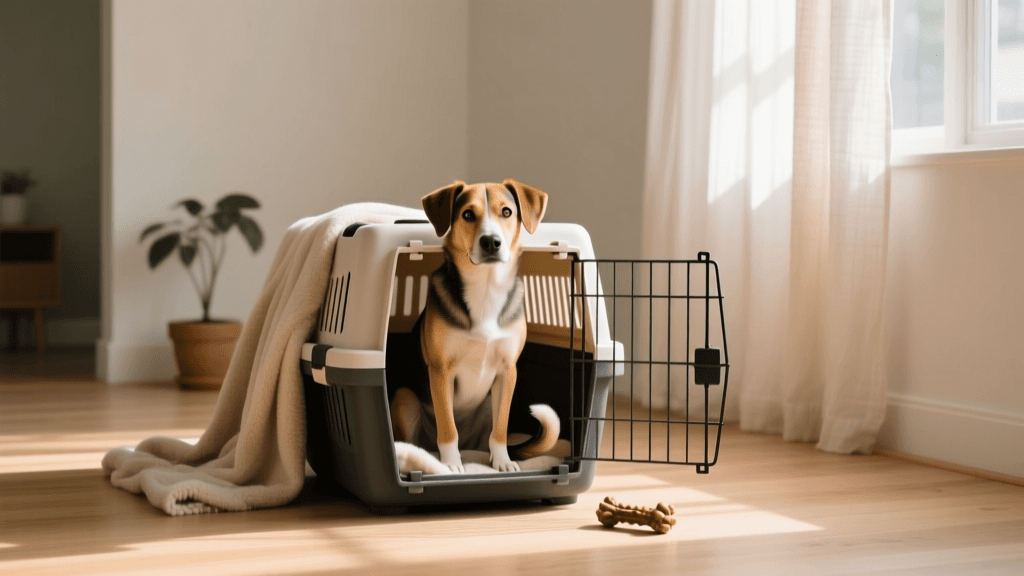
| Crate / Kennel | Wire Crate with Divider ($45 - $70) | Impact Dog Crate or Ruff Land ($250 - $400) | Buy a used wire crate on Facebook Marketplace; sanitize with pet-safe cleaner. |
| Collar & Leash | Nylon Collar & 6ft Leash ($15 - $25) | Leather or Biothane Set ($80 - $120) | Nylon is durable and cheap. Avoid retractable leashes entirely for safety. |
| Food & Water Bowls | Stainless Steel Bowls ($10 - $15) | Automatic Smart Fountains ($40 - $70) | Stainless steel is non-porous and prevents canine acne. Dishwasher safe. |
| Chew Toys | KONG Classic & Nylabone ($15 - $25) | Bully Sticks & Puzzle Games ($40 - $60) | Stuff the KONG with cheap peanut butter and freeze it for hours of entertainment. |
| Dog Bed | Elevated Cot or DIY Fleece ($20 - $30) | Big Barker Orthopedic Bed ($150 - $300) | Use old blankets or sew a cover for a cheap pillow until chewing phase ends. |
By prioritizing function over fashion, you can easily cut your initial supply costs by more than 60%. For example, the American Veterinary Medical Association (AVMA) emphasizes that routine preventative care and proper hygiene are essential to avoiding costly emergency vet visits, making cheap, dishwasher-safe stainless steel a vastly superior choice over expensive, hard-to-clean ceramic or plastic alternatives that harbor bacteria.
DIY and Second-Hand Hacks for New Owners
You do not need to buy everything brand new. Dogs are largely indifferent to brand names and retail packaging. Take advantage of the second-hand market and DIY solutions to stretch your dollar further.
Thrifted and Upcycled Gear
Platforms like Facebook Marketplace, Craigslist, and local thrift stores are goldmines for dog supplies. Many people buy expensive crates, gates, and toys for dogs that end up not using them, or they sell them cheaply when they move. You can often find heavy-duty wire crates, stainless steel bowls, and even unopened bags of premium dog food for a fraction of the retail price. Always sanitize second-hand items thoroughly. Wash fabric items in hot water with pet-safe detergent, and scrub hard plastics and metals with a diluted bleach solution (one part bleach to 32 parts water), rinsing thoroughly and letting them air dry.
DIY Enrichment and Toys
Commercial puzzle toys and snuffle mats can cost upwards of $30 to $50 each. You can replicate this mental enrichment at home for pennies.
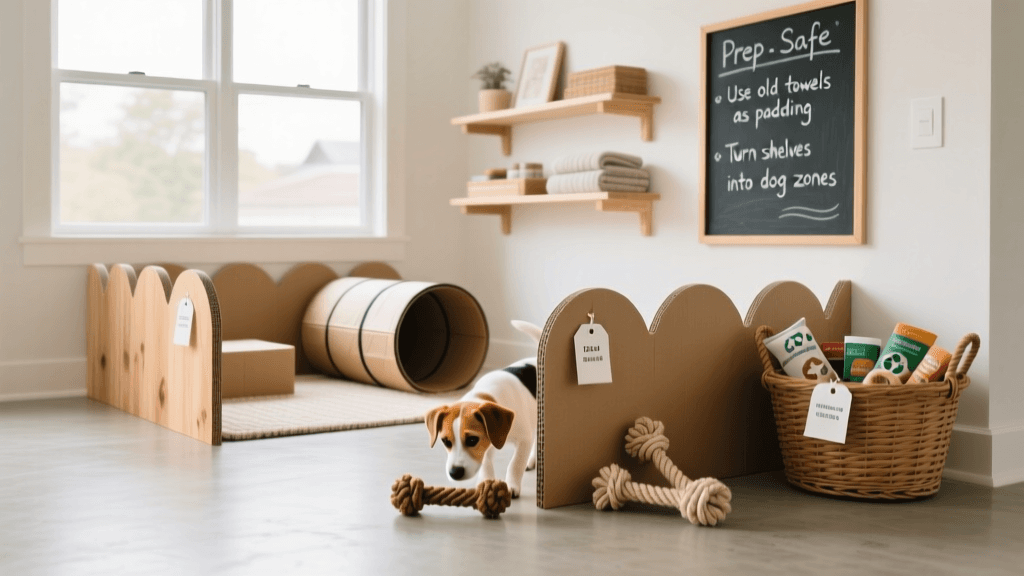
- The Towel Roll-Up: Lay an old bath towel flat, scatter a handful of your dog's daily kibble ration across it, and roll it up tightly. Let your dog sniff and unroll the towel to find their food.
- Muffin Tin Puzzle: Place treats in the cups of a standard muffin tin, then cover each cup with a tennis ball. Your dog must figure out how to remove the balls to get the rewards.
- Frozen Broth Blocks: Freeze low-sodium, onion-free chicken broth in an ice cube tray with a few pieces of carrot or apple inside. This makes a fantastic, hydrating summer treat that costs less than $2 to make.
Preventative Vet Care and Food on a Budget
Veterinary care and daily nutrition are the two largest recurring expenses in dog ownership. Cutting corners here can lead to catastrophic health issues down the line, which will ultimately cost you thousands. The goal is not to choose the cheapest option, but the most cost-effective, high-quality option.
Sourcing Affordable Veterinary Care
Instead of relying exclusively on high-end private veterinary clinics for routine care, look for low-cost community clinics, mobile vaccination vans, and spay/neuter initiatives. Organizations like the ASPCA and local humane societies frequently host pop-up clinics where you can get core vaccines (like Rabies and DHPP) and heartworm tests for $15 to $30 each, compared to $100+ at a private practice. However, always establish a relationship with a primary care vet for emergencies and complex health issues. Consider setting up a dedicated 'pet emergency fund' savings account where you automatically transfer $30 to $50 a month. This self-insurance model can save you from going into debt if your dog ingests a foreign object or suffers an injury.
Navigating Dog Food Costs
You do not need to feed your dog ultra-premium, boutique, grain-free diets that cost $80 a bag. In fact, many veterinary nutritionists advise against boutique diets due to ongoing investigations into their potential link to Dilated Cardiomyopathy (DCM). Look for diets that meet the World Small Animal Veterinary Association (WSAVA) guidelines and employ full-time veterinary nutritionists. Brands like Purina Pro Plan, Hill's Science Diet, and Royal Canin offer excellent, scientifically backed nutrition at a mid-tier price point. Buy in bulk (30lb bags) from online retailers that offer 'Subscribe & Save' discounts, which can shave 5% to 10% off the retail price and ensure you never run out.
Final Thoughts on Budgeting for Your Dog
Getting a dog on a budget is entirely possible and does not mean compromising on the quality of care your new companion receives. By choosing adoption, buying second-hand gear, utilizing DIY enrichment, and being strategic about preventative veterinary care, you can build a financially sustainable life with your dog. The love and loyalty a dog provides are priceless, but the peace of mind that comes from knowing you can comfortably afford their care is just as valuable. Plan ahead, stick to your budget, and enjoy the incredible journey of welcoming your first dog home.
marcus-aldridge
All our authors care for dogs every day — read more of their work on the authors page.