Dog Weight Loss: A Precision Calorie Counting Guide
Discover a precision guide to canine weight loss. Learn how to calculate calories, choose diets, and safely manage your dog's obesity with expert tips.
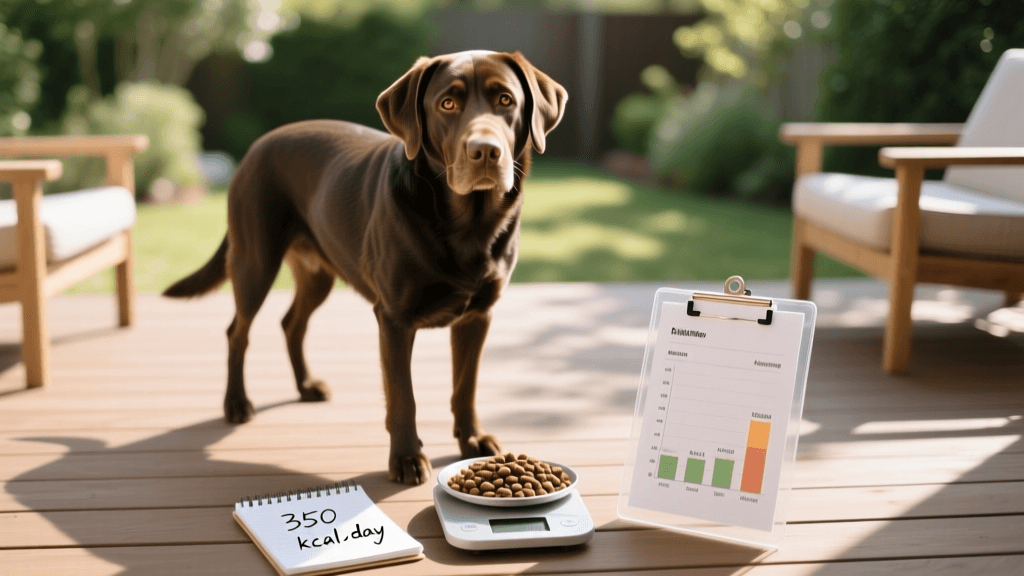
The Hidden Epidemic of Canine Obesity
As dog owners, we often equate food with love, but this well-intentioned mindset has led to a severe health crisis. According to the Association for Pet Obesity Prevention (APOP), over 59% of dogs in the United States are classified as overweight or obese. This excess weight drastically reduces a dog's lifespan and increases the risk of osteoarthritis, type 2 diabetes, heart disease, and certain cancers. Transitioning your dog to a healthy weight is not about starvation; it is about precision, nutritional science, and consistent daily routines. In this deep dive, we will explore the exact mathematics of canine calorie counting, evaluate diet options, and provide a structured roadmap to safely shed your dog's excess pounds.
Step 1: Calculating Resting Energy Requirement (RER)
The first step in any clinical weight loss program is determining your dog's Resting Energy Requirement (RER). RER is the number of calories your dog's body burns at complete rest in a neutral environment. The World Small Animal Veterinary Association (WSAVA) Global Nutrition Committee recommends the following standard veterinary formula:
RER = 70 x (body weight in kg)^0.75
To use this formula, you must first convert your dog's current weight into kilograms (divide pounds by 2.2). For example, if you have a Beagle that currently weighs 35 lbs (15.9 kg), the math looks like this:
- 15.9 kg ^ 0.75 = 7.96
- 70 x 7.96 = 557 kcal/day
This means your 35-pound Beagle burns approximately 557 calories a day just existing. However, RER is only the baseline. To find the actual feeding amount, we must calculate the Daily Energy Requirement (DER).
Step 2: Determining the Weight Loss DER
The Daily Energy Requirement (DER) applies a multiplier to the RER based on the dog's life stage, activity level, and health status. For a safe, sustainable weight loss program, veterinary nutritionists typically use a multiplier of 1.0 x RER based on the dog's ideal target weight, rather than their current overweight status.
If your 35-pound Beagle's ideal target weight is 28 lbs (12.7 kg), you calculate the RER for 12.7 kg:
- 12.7 kg ^ 0.75 = 6.71
- 70 x 6.71 = 469 kcal/day
- 469 x 1.0 (weight loss multiplier) = 469 kcal/day
Your target daily calorie allowance to achieve safe weight loss is 469 calories. Feeding based on target weight ensures a caloric deficit without risking severe malnutrition.
Canine Weight Loss Calorie Chart
Below is a reference table demonstrating target calories for common dog breeds based on ideal weights. Always consult your veterinarian before starting a diet, as individual metabolic rates can vary.
| Breed / Size Category | Current Weight | Ideal Target Weight | Target RER (kcal) | Weight Loss DER (kcal/day) |
|---|---|---|---|---|
| Chihuahua (Small) | 12 lbs | 8 lbs (3.6 kg) | 130 | 130 |
| Beagle (Medium) | 35 lbs | 28 lbs (12.7 kg) | 469 | 469 |
| Labrador (Large) | 90 lbs | 70 lbs (31.8 kg) | 931 | 931 |
| Great Dane (Giant) | 160 lbs | 130 lbs (59 kg) | 1482 | 1482 |
Choosing the Right Diet: Prescription vs. OTC
Once you have your target calorie count, you must select the right food. Simply feeding less of a standard maintenance diet can lead to nutrient deficiencies, as the dog will miss out on essential vitamins and minerals that are balanced for higher volumes of food.
Prescription Weight Management Diets
Veterinary-exclusive diets are scientifically formulated to provide complete nutrition while restricting calories. They often include high fiber blends to promote satiety (the feeling of fullness) and added L-carnitine to help maintain lean muscle mass during fat loss.
- Hill's Prescription Diet Metabolic: Works with the dog's unique metabolism to activate fat burning. Cost: ~$95 for a 27.5 lb bag. Caloric density: ~303 kcal/cup.
- Royal Canin Satiety Support: Features a specialized fiber blend to reduce begging behavior. Cost: ~$105 for a 26 lb bag. Caloric density: ~268 kcal/cup.
- Purina Pro Plan Veterinary OM (Overweight Management): High protein, low calorie, and low fat. Cost: ~$90 for a 27.5 lb bag. Caloric density: ~291 kcal/cup.
Over-The-Counter (OTC) Weight Control
If prescription diets are outside your budget, OTC 'Weight Control' or 'Healthy Weight' formulas are an alternative, though they are generally less effective at curbing hunger. Brands like Purina ONE SmartBlend Healthy Weight or Blue Buffalo Life Control Healthy Weight cost between $45 and $65 for a 30 lb bag. When using OTC diets, you must be incredibly strict with portion sizes, as these foods are often still quite calorie-dense compared to prescription options.
The 10% Rule and Low-Calorie Treat Alternatives
A common pitfall in canine weight loss is ignoring treats. Veterinary nutritionists at the Tufts University Cummings Veterinary Medical Center emphasize the '10% Rule': treats, chews, and toppers should never constitute more than 10% of your dog's total daily caloric intake. For our 469 kcal/day Beagle, that means a maximum of 46 calories per day can come from treats.
Instead of high-fat commercial biscuits (which often pack 40-60 calories per piece), utilize low-calorie, high-volume vegetables. Always introduce these slowly to avoid gastrointestinal upset.
- Green Beans (Canned, No Salt Added): ~3 calories per tablespoon. Excellent for adding bulk to meals.
- Baby Carrots: ~4 calories per small carrot. Great for crunching and dental health.
- Cucumber Slices: ~2 calories per slice. Highly hydrating and low in sugar.
- Apple Slices (No Seeds): ~15 calories per ounce. A good source of vitamins A and C.
The Gram Scale Revolution
The most significant error dog owners make is using a standard measuring cup. Studies show that using a scoop or cup can result in caloric variances of up to 50%, which entirely derails a weight loss plan. A single extra scoop of kibble a day can add up to 10 extra pounds of body fat over a year.
Actionable Advice: Purchase a digital kitchen gram scale (available on Amazon or Walmart for $10 to $15). Look up the exact caloric density of your chosen food (e.g., 3.2 kcal per gram). If your dog needs 469 calories a day, and the food is 3.2 kcal/g, you will weigh out exactly 146 grams of food per day, divided into two meals of 73 grams each. This eliminates guesswork and guarantees precision.
Understanding the Body Condition Score (BCS)
Weight on a scale is only one metric. The Body Condition Score (BCS) is a visual and tactile assessment tool used by veterinarians on a 1-to-9 scale. A score of 4 or 5 is ideal. You should be able to easily feel your dog's ribs without pressing hard (like feeling the bones on the back of your hand), and they should have a visible abdominal tuck when viewed from the side. Weigh your dog every two weeks and adjust the DER multiplier if weight loss stalls or exceeds 2% of their body weight per week, which is considered too rapid.
Sample Daily Weight Loss Routine
Consistency is the bedrock of success. Here is a sample schedule for a dog requiring 146 grams of food daily:
- 7:00 AM (Breakfast): Weigh out 73 grams of kibble. Mix in 2 tablespoons of no-salt green beans for volume.
- 12:00 PM (Enrichment): 1 baby carrot stuffed into a Kong toy or used as a training reward.
- 5:30 PM (Exercise): 30-minute brisk leash walk. Mental stimulation and physical activity help burn calories and reduce anxiety-induced begging.
- 6:30 PM (Dinner): Weigh out the remaining 73 grams of kibble.
Managing canine obesity requires a shift from emotional feeding to clinical precision. By calculating exact caloric needs, utilizing a digital gram scale, and leveraging high-fiber veterinary diets, you can safely guide your dog back to an ideal Body Condition Score, ultimately adding years of vibrant, active life to their journey with you.
marcus-aldridge
All our authors care for dogs every day — read more of their work on the authors page.