First-Year Dog Budget: A First-Time Owner Cost Guide
Discover the real costs of dog ownership with our first-year dog budget guide. Learn about setup expenses, vet bills, and hidden fees for new owners.
Welcome to Dog Ownership: The Financial Reality
Bringing a dog into your home is one of life’s most rewarding experiences, but it is also a significant financial responsibility. Many first-time owners focus entirely on the adoption fee or purchase price, only to be blindsided by the ongoing costs of care, gear, and veterinary medicine. The ASPCA's Pet Care Cost estimates highlight that while smaller dogs may cost slightly less annually, the first year of any dog's life is universally the most expensive due to initial setup, puppy vaccinations, and spay/neuter surgeries. Understanding these costs upfront prevents the heartbreaking scenario of owners having to surrender their pets due to unforeseen financial strain. This comprehensive guide will walk you through the essential expenses, practical gear measurements, and smart financial strategies every first-time dog owner needs to know.
Initial Setup: Essential Gear and Measurements
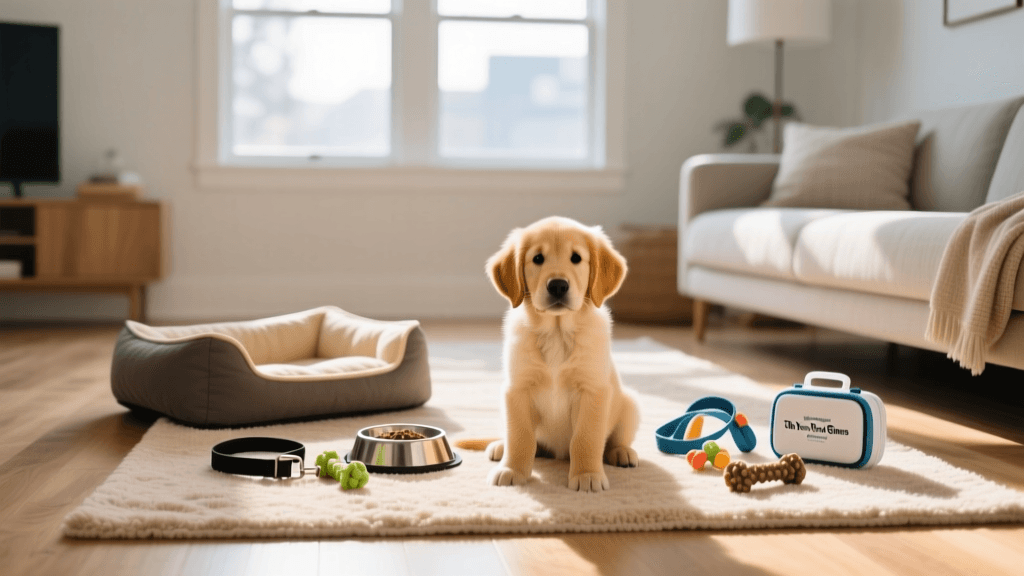
Before your puppy crosses the threshold, you need to prepare your home with the right equipment. Crate training is highly recommended for housebreaking and providing a safe den for your dog. To find the right crate size, measure your dog from the tip of their nose to the base of their tail, and add 4 inches. For height, measure from the floor to the top of their head (or ears, if they stand up), and add 4 inches. For a medium-sized dog like a Beagle or Cocker Spaniel, a 30-inch or 36-inch crate is usually ideal. For larger breeds like Labrador Retrievers or Golden Retrievers, you will need a 42-inch crate. A highly recommended, durable option is the Midwest Homes for Pets iCrate, which features a double-door design and a divider panel, allowing you to adjust the space as your puppy grows. This typically costs between $50 and $75.
For feeding, skip the plastic bowls which can harbor bacteria and cause canine acne. Opt for stainless steel or ceramic bowls. If you have a fast eater, invest in an Outward Hound Fun Feeder slow bowl ($12 to $15) to prevent bloat and improve digestion. Finally, do not forget the cleaning supplies. Puppies will have accidents, and standard household cleaners often contain ammonia, which actually smells like urine to a dog and encourages them to soil the same spot again. Instead, purchase an enzymatic cleaner like Nature's Miracle Advanced Stain and Odor Eliminator (approximately $15 for a 32-ounce bottle). These cleaners use natural bacteria to break down the organic compounds in urine, completely removing the scent marker. Stock up on at least two bottles before your puppy arrives.
The Puppy Veterinary Schedule and Preventative Care
Veterinary care constitutes a significant portion of your first-year dog budget. Puppies require a series of core vaccinations to protect against life-threatening diseases. According to guidelines supported by the American Veterinary Medical Association (AVMA), routine preventative care is the cornerstone of a long, healthy pet life. Expect to visit the vet at 8, 12, and 16 weeks of age. During these visits, your puppy will receive the DHPP vaccine (Distemper, Hepatitis, Parainfluenza, and Parvovirus), and eventually the Rabies and Bordetella vaccines. Each of these visits typically costs between $75 and $120, depending on your geographic location and the specific clinic.
Additionally, you must budget for a spay or neuter surgery, which generally ranges from $200 to $500 depending on the size of the dog and regional veterinary rates. Microchipping, an essential safety measure that permanently identifies your dog in the event they become lost, usually costs around $50 if done at the vet, though many shelters include this in the initial adoption fee.
First-Year Dog Budget Breakdown
To help you visualize the financial commitment, here is a detailed breakdown of estimated costs for a dog's first year. Keep in mind that these figures exclude the initial purchase or adoption fee.
| Expense Category | Estimated Low Cost | Estimated High Cost | Notes & Recommendations |
|---|---|---|---|
| Initial Supplies (Crate, Bed, Bowls, Leash) | $150 | $350 | Invest in durable, chew-resistant materials. |
| Veterinary Care (Vaccines, Spay/Neuter, Microchip) | $400 | $800 | Prices vary heavily by region and clinic type. |
| Food & Treats (High-Quality Kibble/Training Treats) | $300 | $600 | Calculate based on 12 months of feeding. |
| Training & Socialization (Puppy Classes) | $100 | $300 | Group classes are cost-effective and vital for socialization. |
| Grooming (Basic Supplies or Professional Sessions) | $50 | $500 | High-maintenance breeds like Poodles will hit the high end. |
| Pet Insurance (Annual Premium) | $400 | $800 | Enroll early to avoid pre-existing condition exclusions. |
| Emergency Medical Fund | $200 | $1,000 | Set aside cash for unexpected illnesses or foreign body ingestion. |
| Total Estimated First-Year Cost | $1,600 | $4,350 | Excludes initial purchase or adoption fees. |
Ongoing Monthly Expenses and Hidden Costs
Beyond the obvious expenses, first-time owners are frequently blindsided by hidden costs. If you rent your home, expect to pay a non-refundable pet deposit ranging from $200 to $500, plus a monthly 'pet rent' of $25 to $50. For owners who work long hours or travel, dog daycare or professional dog walking services are often necessary. Daycare can cost between $25 and $45 per day, while a 30-minute dog walk typically runs $15 to $25. If you travel and cannot bring your dog, boarding facilities charge $40 to $75 per night.
Furthermore, certain breeds require professional grooming every 4 to 6 weeks. A standard bath and haircut for a Doodle or Poodle mix can easily cost $75 to $120 per session, adding up to nearly $1,000 annually. Even if you have a short-haired breed, you must budget for flea, tick, and heartworm preventatives. Products like NexGard or Heartgard Plus will cost approximately $40 to $60 per month, an expense that cannot be skipped regardless of your dog's indoor lifestyle.
Smart Strategies to Manage Your Dog Budget
While the numbers may seem daunting, there are numerous ways to manage your first-year dog budget without compromising your pet's well-being. First and foremost, invest in pet insurance immediately. According to Forbes Advisor's pet insurance analysis, the average monthly premium for accident and illness coverage is around $44, but enrolling your dog while they are young and healthy ensures that future hereditary or chronic conditions are covered. Waiting until your dog is older or sick will result in pre-existing condition exclusions, rendering the insurance useless for those specific ailments.
Secondly, buy consumables in bulk. Purchasing a 30-pound bag of high-quality dog food from brands like Purina Pro Plan or Hill's Science Diet is significantly cheaper per pound than buying 5-pound bags. Similarly, buying a six-month supply of heartworm prevention from reputable online pharmacies (verified by your vet) often comes with a 'buy 6, get 2 free' rebate.
Finally, embrace DIY enrichment. Instead of spending $15 on plush toys that will be destroyed in five minutes, invest in a classic Kong rubber toy ($15). You can stuff it with plain peanut butter (ensure it is xylitol-free), plain Greek yogurt, and mashed bananas, then freeze it overnight. This provides hours of mental stimulation and soothes teething puppies for a fraction of the cost of disposable treats.
Final Thoughts
Bringing a dog into your life is a profound commitment that extends far beyond the initial adoption fee. By understanding the true scope of the first-year dog budget, measuring your gear correctly, adhering to a strict veterinary schedule, and planning for hidden expenses, you set the stage for a harmonious life together. Financial preparedness ensures that when your dog looks up at you, you can focus entirely on the joy they bring, rather than the stress of their care.
tom-renshaw
All our authors care for dogs every day — read more of their work on the authors page.