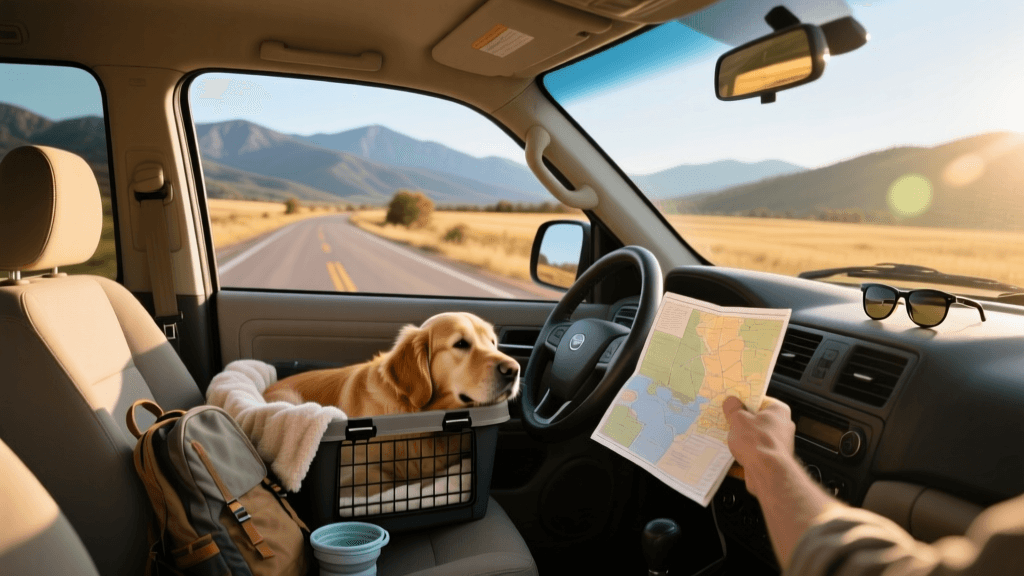
7 Common Dog Travel Mistakes to Avoid on Road Trips
Planning a trip with your pup? Discover 7 common dog travel mistakes to avoid on road trips and flights, plus expert tips for a safe, stress-free journey.
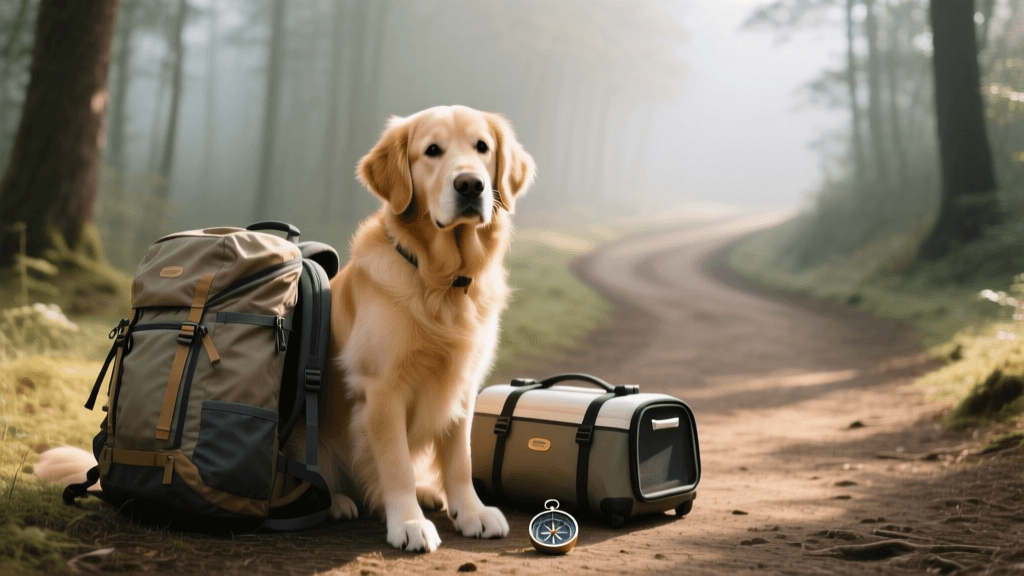
Introduction: Hitting the Road with Your Best Friend
Traveling with your dog can be one of the most rewarding experiences of pet ownership. Whether you are embarking on a cross-country road trip, heading to a cabin for the weekend, or flying to a new destination, sharing the journey with your canine companion creates unforgettable memories. However, the logistics of pet travel are fraught with potential pitfalls. From overlooked safety regulations to improper packing, a single misstep can turn a dream vacation into a stressful ordeal for both you and your pup.
According to the American Kennel Club (AKC), proper preparation is the cornerstone of safe pet travel. To ensure your next adventure is smooth and enjoyable, we have compiled the most critical errors pet owners make. Here are seven common dog travel mistakes to avoid, complete with actionable advice, product recommendations, and expert guidelines.
Mistake 1: Skipping the Pre-Trip Veterinary Visit
One of the most frequent and costly mistakes owners make is assuming their dog is 'ready to go' without a veterinary check-up. If you are crossing state lines or international borders, a health certificate is often legally required. Even for local road trips, a pre-trip exam ensures your dog is fit for travel and up-to-date on vital vaccinations like Rabies and Bordetella.
Actionable Advice:
- Timing: Schedule your vet visit 7 to 10 days before departure. Most airlines and state regulations require a health certificate issued within 10 days of travel.
- Costs: Expect to pay between $50 and $150 for the examination and certificate. If flying or crossing certain borders, the USDA must endorse the certificate, which adds a $38 fee and requires extra processing time.
- Medications: If your dog suffers from motion sickness or anxiety, ask your vet about prescription options like Cerenia (maropitant citrate), which typically costs $2 to $5 per dose, or Trazodone for anxiety.
For comprehensive guidelines on interstate and international health requirements, always consult the American Veterinary Medical Association (AVMA) before booking your trip.
Mistake 2: Using Unrestrained Carriers or Non-Crash-Tested Harnesses
Allowing your dog to roam freely in the car or using a cheap, untested carrier is a severe safety hazard. In a collision at just 30 mph, an unrestrained 50-pound dog becomes a 2,500-pound projectile, posing a lethal threat to themselves and human passengers. Many harnesses labeled 'travel-safe' have not actually undergone rigorous crash testing.
Actionable Advice:
- For Small Dogs (Under 20 lbs): Use a crash-tested carrier secured to the vehicle's seat belt system. The Sleepypod Mobile Pet Bed (approx. $220) is certified by the Center for Pet Safety (CPS).
- For Medium to Large Dogs: Opt for a CPS-certified harness like the Kurgo Tru-Fit Smart Harness (approx. $35) or a heavy-duty crate like the Gunner Kennels G1 (starting at $500), which must be secured with heavy-duty tie-down straps to the vehicle's anchor points.
- Placement: Never place a carrier in the front seat where an airbag could deploy. The back seat or the cargo area of an SUV (secured to tie-downs) are the safest locations.
Mistake 3: Feeding a Full Meal Right Before Departure
Just like humans, dogs can experience motion sickness. Feeding your dog a large meal immediately before hitting the road or heading to the airport is a recipe for vomiting, dehydration, and a messy car. The combination of a full stomach and the sensory overload of travel triggers nausea in many canines.
Actionable Advice:
- Fasting Window: Withhold food for 3 to 4 hours before departure. If you are traveling in the morning, feed a small, easily digestible snack the night before instead of a full breakfast.
- Hydration: While food should be restricted, water should remain available until about 1 hour before you leave. Offer small ice cubes during rest stops to keep them hydrated without overloading their stomach.
Mistake 4: Ignoring Microchip and ID Tag Updates
Traveling increases the risk of your dog slipping out of a collar or bolting out of an open car door in an unfamiliar environment. Relying solely on a collar tag is insufficient, as tags can easily break off or become illegible. Furthermore, many owners forget to update their microchip registry with their travel contact information.
Actionable Advice:
- Update the Registry: Log into your microchip provider's portal (e.g., HomeAgain, Petlink) and add your mobile number and the address of your destination as a secondary contact.
- Temporary Tags: Purchase a temporary, customizable luggage-style tag for your dog's collar that lists your mobile number and the phone number of your hotel or rental property.
- GPS Trackers: Invest in a GPS-enabled smart collar or attachment. Devices like the Fi Series 3 GPS Collar ($149 plus subscription) or the Whistle Go ($69 plus subscription) provide real-time location tracking and escape alerts directly to your smartphone.
Mistake 5: Overlooking Airline-Specific Cabin and Cargo Rules
Flying with a dog requires meticulous attention to airline-specific policies, which change frequently. Assuming your dog will fit in the cabin or that any plastic crate will work for cargo are mistakes that can result in denied boarding at the airport.
Actionable Advice:
- Cabin Dimensions: Most major US airlines require soft-sided carriers to fit under the seat, typically maxing out at 18' x 11' x 11'. The Sherpa Original Deluxe Carrier (approx. $50) is a widely accepted option. Always measure your specific aircraft's under-seat clearance if possible.
- Cargo Crates: If your dog must fly in cargo, they require an IATA-compliant hard plastic or fiberglass kennel with metal fasteners (no plastic clips). The crate must be large enough for the dog to stand up, turn around, and lie down naturally without their head touching the top.
- Breed Restrictions: Brachycephalic (short-nosed) breeds like Bulldogs and Pugs are banned from cargo on almost all major airlines due to respiratory risks. Always verify breed restrictions with the Humane Society of the United States (HSUS) guidelines and your specific carrier.
Mistake 6: Forgetting to Pack a Dedicated 'Dog Go-Bag'
Packing your dog's supplies haphazardly throughout your own luggage leads to frustration and missing items when you need them most. A dedicated, easily accessible 'go-bag' ensures you have immediate access to essentials during rest stops and upon arrival.
The Ultimate Dog Travel Packing Table:
| Category | Essential Items | Measurements / Quantities | Estimated Cost |
|---|---|---|---|
| Hydration & Food | Collapsible bowl, familiar kibble, bottled water | 1 gallon water/day per 50 lbs of body weight | $15 - $25 |
| Safety & Control | Extra leash, long-line, harness, waste bags | 15-30 ft long-line for safe potty breaks | $20 - $40 |
| Health & First Aid | Vet records, tick remover, styptic powder, wipes | Hard copy of Rabies certificate required | $30 - $50 |
| Comfort | Familiar blanket, favorite chew toy, calming treats | Item that smells like home to reduce anxiety | $15 - $30 |
Keep this bag in the main cabin of your car or under the seat in front of you on a plane, never buried in the trunk or checked luggage.
Mistake 7: Leaving Your Dog Unattended in a Parked Vehicle
This is arguably the most dangerous and fatal mistake a pet owner can make. Many well-meaning owners believe that 'cracking the windows' or 'parking in the shade' is enough to keep their dog safe while they run into a rest stop or store. The reality of thermodynamics inside a vehicle proves otherwise.
The Science of Car Heat:
On a seemingly mild 70°F (21°C) day, the temperature inside a parked car can surge to 104°F (40°C) in just 30 minutes, and reach a lethal 115°F (46°C) within an hour. Dogs do not sweat like humans; they rely on panting to release heat, which is entirely ineffective in a stagnant, superheated environment. Heatstroke can cause irreversible organ failure and death in a matter of minutes.
Rule of Thumb: If you cannot bring your dog inside with you, one person must remain in the vehicle with the air conditioning running at all times. Plan your rest stops at pet-friendly locations like gas stations with outdoor seating or drive-throughs.
Conclusion: Preparation is the Key to Joyful Travel
Avoiding these common dog travel mistakes transforms a potentially chaotic trip into a seamless adventure. By prioritizing safety restraints, managing feeding schedules, securing proper documentation, and never compromising on temperature safety, you ensure your dog remains happy and healthy throughout the journey. Take the time to prepare, pack smartly, and hit the road with the confidence that you and your best friend are ready for whatever lies ahead.
anouk-beaumont
All our authors care for dogs every day — read more of their work on the authors page.