Understanding Dog Travel Anxiety And Sensory Overload
Discover the psychology behind dog travel anxiety and sensory overload. Learn actionable tips to keep your pup calm on road trips and adventures.
The Psychology of Canine Travel Stress
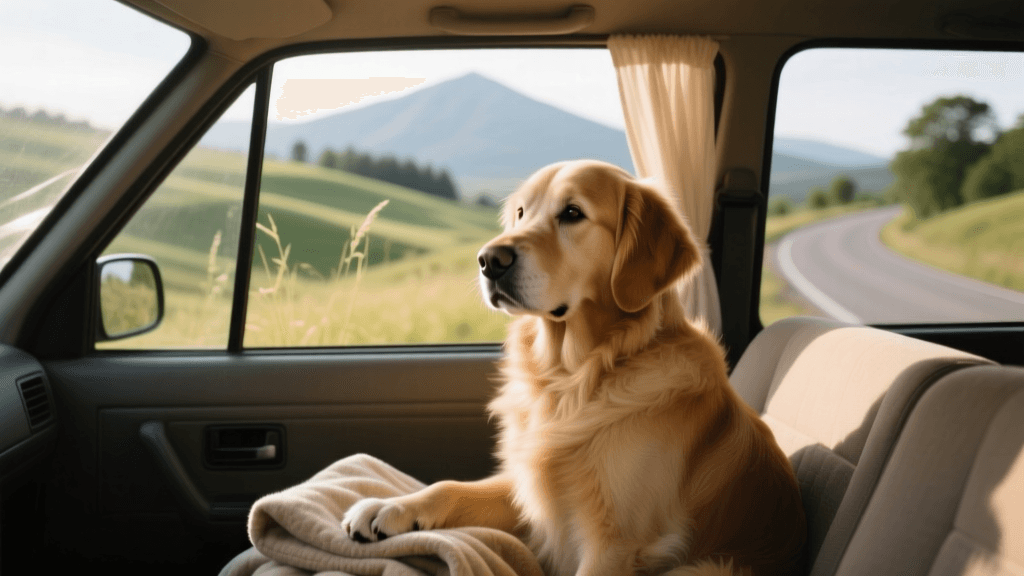
Traveling with your dog can be an incredibly rewarding experience, opening up a world of shared adventures, hiking trails, and pet-friendly destinations. However, for many dogs, leaving the home environment triggers deep-seated psychological stress. To truly understand your dog's travel anxiety, we must look through the lens of canine evolutionary psychology. Dogs are inherently territorial creatures. Their 'home range' provides a predictable environment where they have mapped out scents, sounds, and safe zones. When you place a dog in a vehicle and transport them to a novel environment, you are effectively uprooting them from their established territory, triggering an evolutionary state of hyper-vigilance.
According to the ASPCA, a significant percentage of dogs experience some level of distress during transit. This is not merely 'carsickness'; it is a complex psychological response to a loss of control and environmental predictability. By understanding the sensory and psychological mechanisms at play, we can transition our dogs from anxious passengers to confident travel companions.
Sensory Overload: What Your Dog Experiences on the Road
To understand travel anxiety, we must first understand how dogs process the world. Canine senses are exponentially more powerful than ours, meaning the environment inside a moving vehicle and a new hotel room can quickly lead to severe sensory overload.
Olfactory Overstimulation
A dog's nose contains up to 300 million olfactory receptors, compared to our mere 6 million. Furthermore, the part of a dog's brain devoted to analyzing smells is about 40 times greater than ours. When you roll down the car window on a highway, your dog is not just enjoying a breeze; they are being bombarded by thousands of distinct, rapidly changing scent profiles every minute. This intense olfactory data processing requires immense neurological energy and can quickly lead to cognitive fatigue and stress.
Auditory Stress in Transit
Dogs can hear frequencies up to 45,000 Hertz (Hz), whereas humans top out around 20,000 Hz. The low-frequency rumble of a car engine, the high-pitched whine of tire friction on asphalt, and the chaotic wind shear around a partially open window create a cacophony of noise. Over a long road trip, this constant auditory assault keeps the dog's sympathetic nervous system (the 'fight or flight' response) engaged, elevating cortisol levels and preventing rest.
Recognizing the Subtle Signs of Travel Anxiety
Many owners mistake their dog's travel anxiety for excitement or simple misbehavior. Canine behaviorists, drawing on the pioneering work of Turid Rugaas regarding 'calming signals,' note that dogs use subtle body language to self-soothe and communicate stress long before they resort to barking or destructive behavior. Recognizing these early warning signs is critical for preventing a full-blown anxiety attack.
| Behavior | What It Looks Like | Psychological Meaning |
|---|---|---|
| Excessive Yawning | Deep, repeated yawns when not tired. | A classic calming signal used to self-soothe and lower heart rate in stressful situations. |
| Lip Licking | Rapid flicking of the tongue over the nose. | Indicates internal conflict, nervousness, or an attempt to appease a perceived threat. |
| Whale Eye | Showing the whites of the eyes while keeping the head turned away. | A sign of high anxiety and fear; the dog is monitoring a stressor while trying to avoid direct confrontation. |
| Panting (Spatulate) | Wide, spoon-shaped tongue with rapid, shallow breaths. | Thermoregulatory panting when not hot; a clear physiological sign of acute stress and adrenaline release. |
| Shaking Off | Vigorously shaking the body as if wet. | A 'reset' mechanism used to physically discharge built-up tension and cortisol after a stressful event. |
Breed-Specific Travel Instincts
A dog's breed heritage heavily influences how they react to travel and novel environments. Understanding these breed-specific instincts allows you to tailor your travel management strategies.
- Herding Breeds (e.g., Border Collies, Australian Shepherds): These dogs are visually stimulated and hardwired to control movement. In a car, they may become intensely fixated on passing vehicles, shadows, or bicycles, leading to frustration and reactive barking. In a hotel, they may attempt to 'herd' family members or nip at moving feet.
- Scent Hounds (e.g., Beagles, Bloodhounds): Driven entirely by their noses, hounds will experience the highest degree of olfactory overload. They are prone to 'shutting down' or becoming unresponsive when overwhelmed by new scents, or they may attempt to escape enclosures to track an interesting smell.
- Guardian Breeds (e.g., Great Pyrenees, Anatolian Shepherds): Bred to patrol and protect large perimeters, these dogs often feel deeply unsettled in confined, temporary spaces like hotel rooms or RVs. They may pace the perimeter of the room, bark at hallway noises, and struggle to settle down because they feel the 'flock' is unprotected in an unsecured territory.
Actionable Strategies for a Calmer Journey
Managing travel anxiety requires a proactive, multi-faceted approach that addresses both the psychological and sensory needs of your dog. The Humane Society of the United States emphasizes the importance of preparation and creating a secure environment for traveling pets. Below is a comprehensive protocol to help your dog thrive on the road.
Phase 1: Pre-Trip Desensitization (The 4-Week Protocol)
Do not wait until the day of the trip to put your dog in the car. Use this 4-week timeline to rewire their emotional response to the vehicle:
- Week 1 (Stationary Positivity): Spend 10 minutes a day sitting in the parked car with the engine off. Feed high-value meals (e.g., a Kong toy stuffed with frozen peanut butter and kibble, costing approx. $15) exclusively in the car. This builds a positive classical conditioning response.
- Week 2 (Sensory Introduction): Turn the engine on for 5-10 minutes while continuing to feed treats. Do not move the car. This acclimates the dog to the auditory vibration of the engine without the visual stress of movement.
- Week 3 (Micro-Transits): Drive for just 3 to 5 minutes around the neighborhood, then return home and engage in a fun activity like a tug-of-war session. Keep the visual field restricted by using a window shade.
- Week 4 (Destination Joy): Take a 15-minute drive to a highly rewarding location, such as a favorite park or a pet-friendly outdoor cafe. The dog learns that the car predicts positive outcomes, not just visits to the vet.
Phase 2: Creating a 'Sensory Safe Zone'
Your dog needs a designated, secure space that limits overwhelming sensory input. Free-roaming in a vehicle is dangerous and increases anxiety because the dog feels physically unstable.
- Restraint Systems: Invest in a crash-tested harness like the Sleepypod Clickit Sport (approx. $90) or a secured, impact-tested crate like the Gunner Kennels G1 (approx. $500). Physical containment provides deep pressure therapy, which naturally soothes the canine nervous system.
- Visual Blocking: If using a crate, drape a breathable, light-blocking cover over the top and sides. Removing the visual blur of passing traffic drastically reduces motion sickness and visual overstimulation.
- Auditory Masking: Combat highway noise by playing bio-acoustic music designed for dogs. Albums like Through a Dog's Ear feature classical piano arranged at 50-70 beats per minute (BPM), which has been clinically shown to lower a dog's resting heart rate. Alternatively, use a portable white noise machine (approx. $25) placed near the crate to drown out erratic traffic sounds.
Phase 3: On-the-Road Decompression Protocols
When you stop for a break, avoid simply letting the dog out on a short 4-foot leash to relieve themselves. Instead, implement a 'Sniffari' decompression protocol. Attach a 15-foot Biothane long line (approx. $35) to a well-fitted back-clip harness. Allow your dog 15 uninterrupted minutes to wander and sniff the environment. Sniffing is a primary way dogs process novel information and map their surroundings. The intense mental focus required for sniffing releases dopamine and burns as much mental energy as a 3-mile physical walk, effectively lowering cortisol levels and preparing them to rest in the car or hotel.
Managing the Hotel Environment
Arriving at a hotel or rental property is a massive transition. To prevent territorial pacing and anxiety barking, immediately establish a 'home base.' Bring your dog's familiar, unwashed bedding from home—the familiar pheromones provide an
Conclusion
Understanding your dog's travel anxiety is about shifting your perspective from human frustration to canine empathy. By recognizing the immense sensory load your dog carries, respecting their breed-specific instincts, and implementing structured desensitization and decompression protocols, you can fundamentally change how they experience the world. Travel should not be an ordeal to endure, but a shared adventure that strengthens the bond between you and your dog. With patience, the right gear, and a deep understanding of canine psychology, the open road becomes a place of joy and discovery for you both.
aaron-whyte
All our authors care for dogs every day — read more of their work on the authors page.