Managing Dog Training Treats For Optimal Canine Health
Learn how to balance dog training treats with daily nutrition. Discover caloric limits, healthy treat alternatives, and actionable feeding strategies.
The Intersection of Dog Training and Nutrition
When embarking on an obedience training journey with your canine companion, food is universally recognized as the most powerful and reliable motivator. Whether you are teaching a stubborn rescue dog basic recall, refining competitive agility sequences, or engaging in intensive behavioral modification for leash reactivity, high-value rewards are the currency of communication. However, the repetitive nature of modern positive reinforcement training protocols presents a significant, often overlooked health challenge: caloric overload. A typical thirty-minute shaping session can require fifty to one hundred individual rewards. If a trainer is not meticulously tracking the nutritional profile and caloric density of these rewards, the dog can easily consume hundreds of extra calories in a single afternoon. This deep dive into training nutrition will equip you with the precise measurements, mathematical formulas, and actionable strategies required to maintain peak physical health while achieving elite behavioral conditioning.
The Hidden Dangers of Over-Treating During Training
It is incredibly easy to overfeed a dog during intensive training blocks. Because training treats are often small, owners falsely assume their caloric impact is negligible. However, these micro-rewards compound rapidly. According to the Association for Pet Obesity Prevention, over fifty-five percent of dogs in the United States are currently classified as overweight or obese. Excess body fat in canines is not merely a cosmetic issue; it is a systemic inflammatory condition that drastically reduces lifespan, exacerbates osteoarthritis, and increases the risk of metabolic disorders like canine diabetes. When a dog carries excess weight, their physical stamina during training diminishes, their joint health deteriorates, and their overall cognitive sharpness can decline. Therefore, managing training treat calories is not just a dietary preference; it is a fundamental component of responsible behavioral conditioning and long-term veterinary health.
Calculating Your Dog’s Daily Caloric Needs
To effectively manage treat intake, you must first establish your dog’s baseline daily caloric requirement. Veterinary nutritionists utilize the Resting Energy Requirement (RER) formula to calculate the base metabolic needs of a dog at rest. The standard mathematical formula is: RER = 70 x (Body Weight in kg)^0.75. For example, a twenty-kilogram (approximate forty-four pound) dog has an RER of roughly 655 calories per day. To find the Maintenance Energy Requirement (MER), you multiply the RER by an activity factor. A typical neutered adult dog with moderate activity levels uses a multiplier of 1.6, resulting in a daily target of approximately 1,048 calories. Once you have this baseline number, you can accurately budget your training treats. If your dog requires 1,048 calories daily, you now have a hard mathematical ceiling to work with, ensuring that your obedience sessions do not inadvertently push your dog into a caloric surplus.
The 10% Rule: Structuring Training Treats
The golden rule of canine nutrition, heavily promoted by veterinary experts, is the ten percent rule. The World Small Animal Veterinary Association (WSAVA) emphasizes that treats, chews, and supplemental foods should never exceed ten percent of a dog's total daily caloric intake. The remaining ninety percent must come from a complete and balanced commercial or veterinary-formulated diet to prevent severe micronutrient deficiencies. If your dog’s daily caloric budget is 500 calories, a maximum of 50 calories can be allocated to training treats. To achieve high repetition rates without breaking this rule, you must utilize ultra-low-calorie rewards. This means selecting treats that offer intense palatability but contain fewer than three to five calories per piece. Furthermore, you must deduct these treat calories from your dog's daily kibble ration. Measure your dog's morning and evening meals using a digital gram scale, and physically remove the caloric equivalent of the treats you plan to use during your afternoon training sessions.
High-Value vs. Low-Value Treats: A Nutritional Breakdown
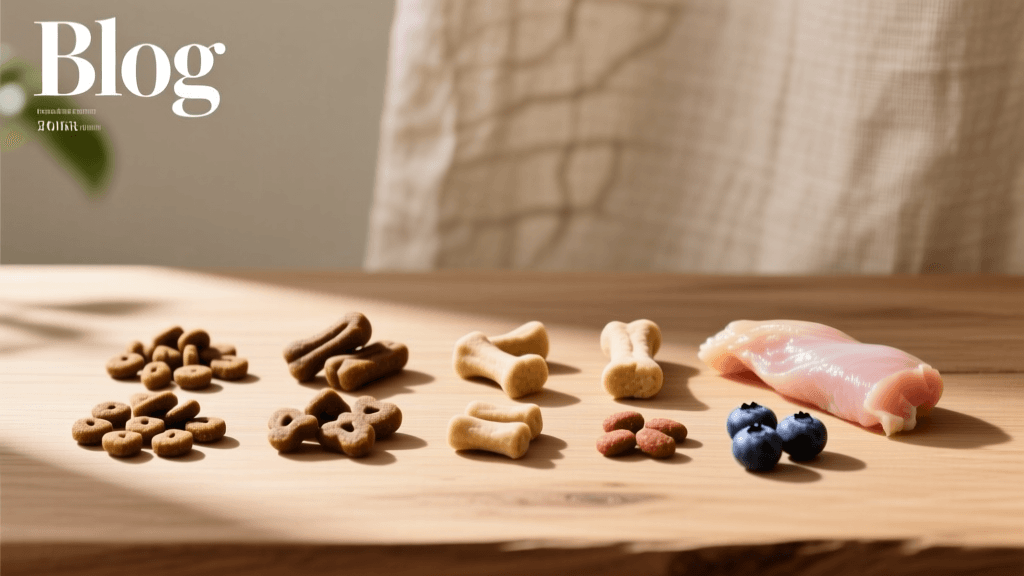
Not all training scenarios require the same level of motivation. When teaching a new behavior in a low-distraction environment like your living room, low-value rewards are sufficient. However, when proofing behaviors in high-distraction environments or working through intense behavioral modification, high-value rewards are mandatory. Below is a structured comparison chart of common training rewards, detailing their nutritional profiles, costs, and optimal use cases.
| Treat Type | Calories (per 1/4 inch piece) | Protein % | Fat % | Cost per Ounce | Best Training Use Case |
|---|---|---|---|---|---|
| Commercial Soft Chews (e.g., Zuke's Minis) | ~3.0 kcal | 12% | 8% | $0.90 | Rapid-fire shaping, basic obedience in low distraction. |
| Freeze-Dried Beef Liver | ~1.5 kcal | 65% | 15% | $1.40 | High-value recall, scent work, mild reactivity protocols. |
| Boiled Chicken Breast (Diced) | ~2.5 kcal | 80% | 5% | $0.25 | Extended training sessions, dogs with sensitive stomachs. |
| Dog's Regular Kibble | ~4.0 kcal | 25% | 15% | $0.15 | Repetitive luring, heel work, capturing calm behaviors. |
As illustrated in the chart, utilizing the dog's regular kibble for repetitive mechanical training is the most cost-effective and calorically transparent method. Reserve the expensive, high-protein freeze-dried liver exclusively for critical behavioral breakthroughs.
Actionable Strategies for Healthy Training Sessions
To successfully implement a health-conscious training regimen, you must adopt strict operational protocols regarding treat size, timing, and delivery.
- Micro-Sizing Rewards: A dog's brain registers the acquisition of a reward, not its physical volume. Cut commercial treats or meats into pea-sized pieces, measuring approximately one-quarter inch in diameter. This provides the necessary olfactory and gustatory stimulation without the caloric bulk.
- Precise Timing Mechanics: The effectiveness of a food reward is entirely dependent on timing. You must deliver your marker signal (a clicker or a verbal "yes") within zero-point-five seconds of the desired behavior, followed by treat delivery within one-point-five seconds. Fumbling with treat pouches delays reinforcement and forces you to use larger treats to maintain the dog's interest.
- Hydration Management: High-protein and high-sodium training treats increase a dog's thirst. Always carry a portable canine water bottle and offer hydration breaks every fifteen minutes during intensive sessions to prevent gastrointestinal upset and dehydration.
- DIY Dehydrated Treats: Purchase raw beef liver or sweet potatoes for roughly three dollars per pound. Slice them one-quarter inch thick and dehydrate them in an oven at two hundred degrees Fahrenheit for two hours. This yields hundreds of high-value, single-ingredient rewards for pennies per training session.
Alternative Rewards and Life Rewards
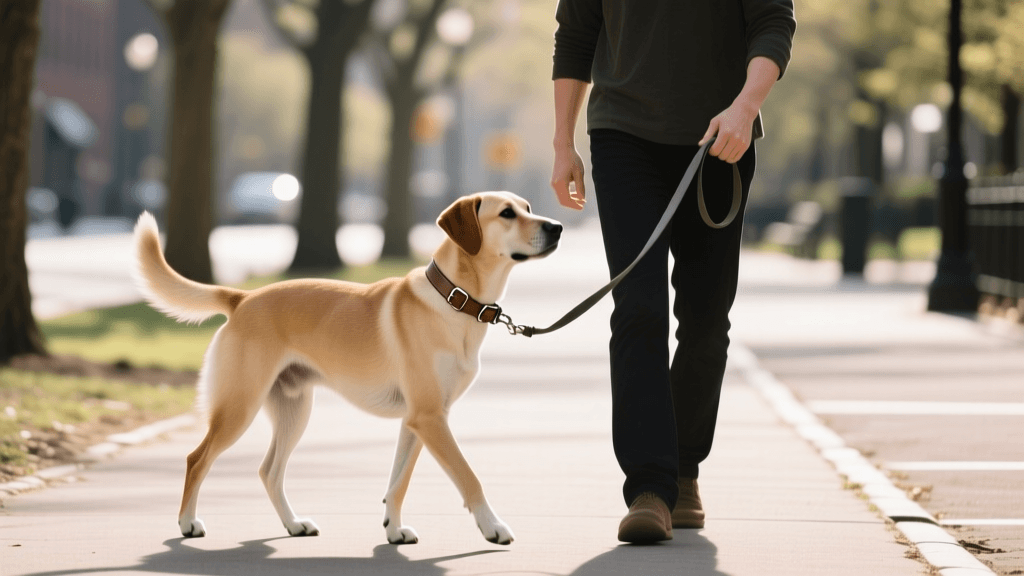
While food is the foundational currency of early operant conditioning, it should not be the only tool in your behavioral arsenal. The American Kennel Club (AKC) strongly advocates for the integration of life rewards and play-based reinforcement to maintain a dog's physical fitness and mental engagement without adding empty calories. Once a behavior is reliably learned, begin transitioning from a continuous food reinforcement schedule to a variable reinforcement schedule. Introduce "life rewards" such as releasing the dog to sniff a fire hydrant, opening the door for a walk, or initiating a vigorous game of tug-of-war. Play-based rewards not only eliminate caloric intake but also naturally elevate the dog's arousal levels, building incredible drive and enthusiasm for obedience work. By strategically alternating between micro-sized food rewards, life rewards, and toy play, you protect your dog's metabolic health while forging an unbreakable working relationship.
Trainer's Pro-Tip: Always conduct your most intensive food-reward training sessions right before your dog's scheduled mealtime. A slightly hungry dog is a highly motivated learner, and you can use their actual daily kibble ration as the primary training reward, entirely eliminating the risk of overfeeding.
anouk-beaumont
All our authors care for dogs every day — read more of their work on the authors page.