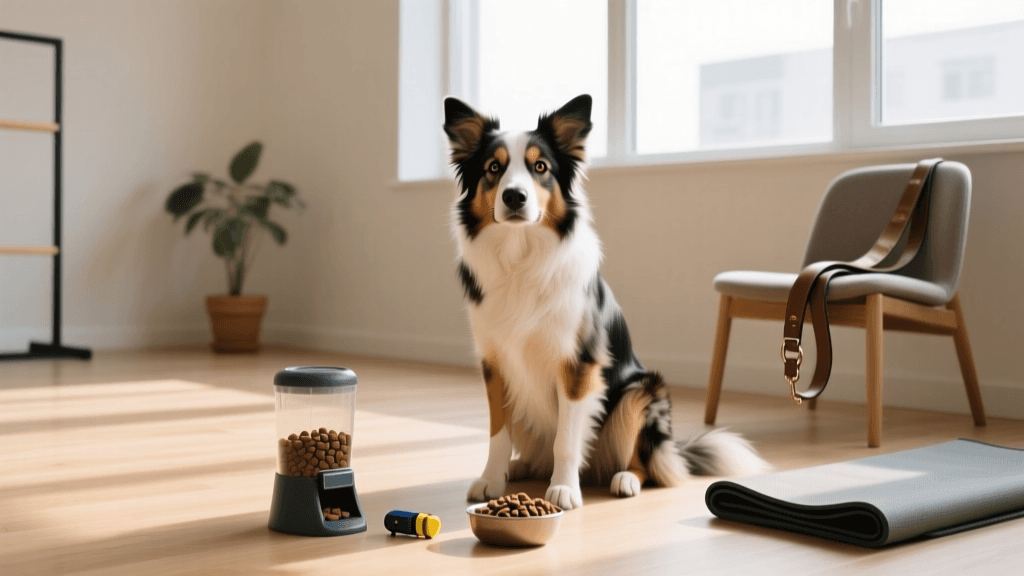
Dog Training Myths Debunked: The Truth About Alpha Dominance
Discover the truth behind common dog training myths. We debunk alpha dominance theory and provide science-backed, positive reinforcement tips.
Introduction: The Danger of Outdated Dog Training Myths
If you have ever watched a popular reality television show about dog behavior or browsed a dog ownership forum, you have likely encountered the concept of the 'Alpha.' For decades, the idea that humans must physically dominate their dogs to establish themselves as 'pack leaders' has permeated pop culture. However, modern veterinary behaviorists and certified dog trainers have thoroughly debunked these outdated theories. Relying on myths rather than science can lead to increased anxiety, fear-based aggression, and a fractured bond between you and your canine companion.
At Paws-Tales, we believe in empowering dog owners with evidence-based, positive reinforcement techniques. In this comprehensive guide, we will dismantle the most pervasive dog training myths, explain the science behind why they are harmful, and provide actionable, science-backed alternatives to help your dog thrive.
Myth 1: You Must Establish Yourself as the 'Alpha' or 'Pack Leader'
The Myth: Dogs are pack animals that constantly vie for dominance. If you do not assert yourself as the 'Alpha,' your dog will take over the household and develop severe behavioral issues.
The Fact: The 'Alpha' theory is based on a flawed 1940s study of captive, unrelated wolves forced to live together in an unnatural environment. In the wild, wolf packs are simply families consisting of parents and their offspring. The lead researcher of that original study, L. David Mech, has since spent decades trying to correct the record, stating that the concept of an 'Alpha' fighting for dominance is biologically inaccurate.
Furthermore, dogs (Canis lupus familiaris) have evolved alongside humans for over 30,000 years. They possess a sophisticated understanding of interspecies communication and know perfectly well that you are a human, not another dog. According to the American Veterinary Society of Animal Behavior (AVSAB), using dominance-based training methods often suppresses warning signs of stress without addressing the underlying emotional cause, which can result in a dog that bites 'without warning.'
The Science-Backed Alternative: The 'Say Please' Protocol
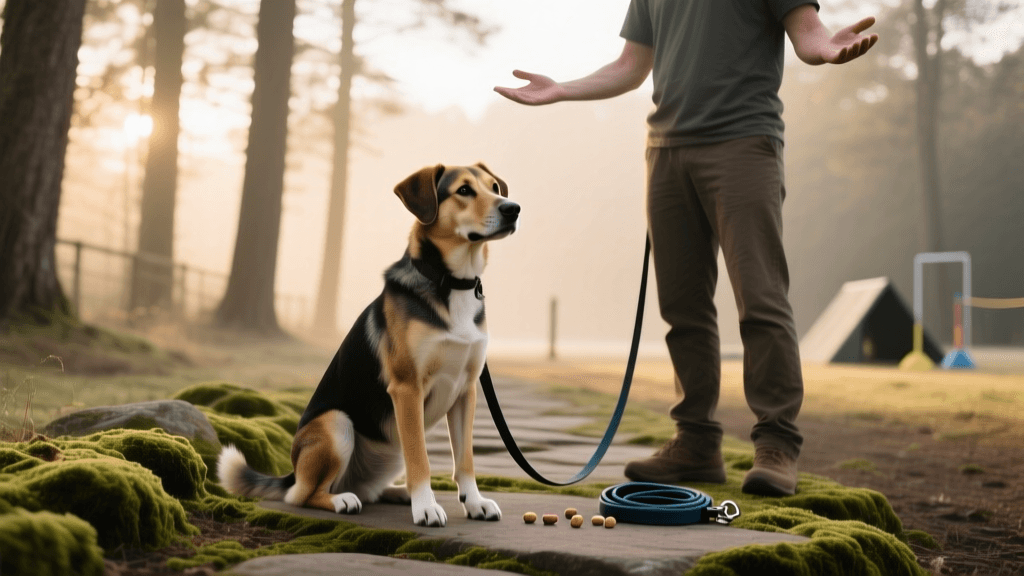
Instead of trying to dominate your dog, implement the 'Nothing in Life is Free' (NILIF) or 'Say Please' protocol. This teaches your dog that calm, polite behavior is the key to unlocking the resources they desire.
- How it works: Ask your dog to perform a simple, known behavior (like 'sit' or 'make eye contact') before giving them anything they value.
- Examples: Ask for a 'sit' before placing their food bowl down, before opening the front door for a walk, or before tossing their favorite toy.
- Why it works: This builds impulse control and reinforces your role as a benevolent provider and guide, rather than a dictatorial pack leader.
Myth 2: The 'Alpha Roll' is an Effective Correction Tool
The Myth: Forcing a misbehaving dog onto its back and pinning it down (the 'Alpha Roll') mimics natural wolf discipline and teaches the dog to submit to your authority.
The Fact: In canine body language, exposing the belly is a voluntary appeasement gesture used to de-escalate conflict, not a forced punishment. When a human forcibly rolls a dog, it triggers a severe fear response. The dog is not learning 'I made a mistake'; they are learning 'My human is unpredictable and dangerous.'
'Forcing a dog into a submissive posture does not teach respect; it induces terror. Dogs subjected to aversive physical handling are significantly more likely to exhibit fear-based aggression toward their owners.' — Consensus of modern veterinary behaviorists.
Studies consistently show that dogs trained with aversive methods (like pinning, leash jerking, or shock collars) display higher levels of cortisol (the stress hormone) and are up to 2.9 times more likely to show aggression than dogs trained with positive reinforcement.
Myth 3: Rubbing a Dog's Nose in Accidents Aids Potty Training
The Myth: If your dog has an accident on the rug, rubbing their nose in it and scolding them will teach them not to do it again.
The Fact: Dogs lack the cognitive ability to associate a delayed punishment with a past action. The Humane Society of the United States emphasizes that dogs live in the present moment. If you rub your dog's nose in an accident that happened 10 minutes ago, or even 30 seconds ago, they do not think, 'I am being punished for peeing on the rug.' Instead, they think, 'My human is acting aggressively toward me for no reason, and the presence of my waste makes them angry.' This often leads to dogs hiding behind furniture to eliminate or eating their own waste to destroy the evidence.
Actionable Potty Training Solutions
- Master the 1.5-Second Rule: Dogs must be rewarded within 1 to 2 seconds of eliminating in the correct spot to form a neurological association. Keep high-value treats in your pocket during potty breaks.
- Use Enzymatic Cleaners: Standard household cleaners do not break down uric acid crystals. Use a dedicated enzymatic cleaner like Nature's Miracle Advanced Stain & Odor Eliminator (approx. $18 for 32oz). Saturate the area, let it sit for 10-15 minutes, and blot dry to completely remove the scent markers that trigger repeat offenses.
- Proper Crate Sizing: Dogs naturally avoid soiling their sleeping area. Ensure your crate is sized correctly: it should be just large enough for the dog to stand up, turn around, and lie down. Add exactly 2 to 4 inches to your dog's length (measured from the tip of the nose to the base of the tail) to determine the ideal crate length.
Myth 4: You Cannot Teach an Old Dog New Tricks
The Myth: Senior dogs are set in their ways, lack the cognitive ability to learn, and are too stubborn for training.
The Fact: Canine brains retain neuroplasticity throughout their lives. While a senior dog might have physical limitations (like arthritis or diminished hearing), their capacity to learn remains intact. In fact, mental stimulation through training is one of the most effective ways to delay the onset of Canine Cognitive Dysfunction Syndrome (CDS), the canine equivalent of dementia. As noted by the American Kennel Club (AKC), teaching an older dog new cues provides vital mental enrichment and boosts their confidence.
Adapting Training for Senior Dogs
- Shorter Sessions: Reduce training sessions to 3 to 5 minutes to prevent mental fatigue and physical stiffness.
- Accommodate Senses: If your dog is losing their hearing, switch to hand signals. Use a small LED flashlight or a gentle tap on the shoulder to get their attention before presenting a hand cue.
- Low-Impact Tricks: Avoid tricks that require jumping or weaving through legs. Focus on scent work, targeting a mat, or learning the names of different toys.
Myth vs. Fact Comparison Chart
| Common Training Myth | The Scientific Fact | Recommended Positive Alternative |
|---|---|---|
| Dogs try to dominate humans. | Dogs seek access to resources, not social rank over humans. | Implement the 'Say Please' (NILIF) protocol for impulse control. |
| Alpha rolls teach submission. | Forced rolls induce terror and increase fear-based aggression. | Use LIMA (Least Intrusive, Minimally Aversive) reward-based shaping. |
| Nose-rubbing stops accidents. | Dogs cannot associate delayed punishment with past elimination. | Reward within 2 seconds of success; clean accidents with enzymes. |
| Old dogs cannot learn. | Senior dogs retain neuroplasticity and need mental enrichment. | Use 3-minute sessions, hand signals, and low-impact scent games. |
Your Actionable Positive Reinforcement Toolkit
To transition away from myth-based training and embrace science-backed methods, you need the right tools. Here is a curated starter kit for effective, force-free training:
- Marker Tool: Karen Pryor i-Click (Cost: ~$8). A mechanical clicker provides a consistent, emotionless sound that precisely marks the exact millisecond your dog performs the desired behavior, bridging the gap between the action and the food reward.
- Training Treats: Zuke's Mini Naturals (Cost: ~$6 per 6oz bag). Training treats should be soft, smelly, and incredibly small. Cut them into 1/4-inch pieces (roughly the size of a pea). You want your dog to taste the reward, not get full on it.
- Long Line: A 15-to-30-foot biothane training leash (Cost: ~$25-$40). This allows you to practice reliable recall in open spaces without the danger of a retractable leash, which can cause severe rope burns and offers poor mechanical control.
- Treat Pouch: A magnetic-closure treat pouch (Cost: ~$15) worn on your hip. Fumbling in pockets delays your reward timing, breaking the associative learning window.
Conclusion: Building Trust Over Fear
Debunking dog training myths is about more than just correcting bad information; it is about fundamentally shifting how we view our relationship with our dogs. When we abandon the adversarial mindset of 'Alpha vs. Subordinate' and embrace the role of a patient, communicative teacher, the results are transformative. Positive reinforcement does not mean 'permissive' training—it means setting clear, consistent boundaries and rewarding the choices we want to see repeated. By relying on science, timing, and empathy, you will build a lifelong bond rooted in mutual trust and profound understanding.
robin-maitland
All our authors care for dogs every day — read more of their work on the authors page.