Fueling Focus: Nutrition Strategies for Dog Training Success
Discover how targeted nutrition impacts your dog's training focus and energy. Learn feeding schedules, supplement guides, and diet tips for optimal obedience.
The Hidden Link Between Canine Nutrition and Behavioral Conditioning
When dog owners and professional trainers think about obedience training, agility conditioning, or behavioral modification, the focus is almost exclusively on psychology, timing, and repetition. However, a critical and often overlooked variable in a dog's ability to learn and retain new commands is their nutritional state. Training is not just a physical workout; it is an intense cognitive endeavor. The canine brain, much like the human brain, is a metabolic powerhouse that demands a steady supply of specific nutrients to maintain neuroplasticity, focus, and impulse control.
From a health and nutrition perspective, optimizing your dog's diet can drastically reduce training frustration, shorten the time it takes to condition new behaviors, and prevent physical burnout. According to veterinary nutritionists, the gut-brain axis plays a profound role in canine behavior, meaning that what your dog eats directly influences their reactivity, anxiety levels, and willingness to work. In this deep dive, we will explore the physiological mechanics of canine learning and provide actionable, science-backed nutrition strategies to fuel your dog's training success.
The Neurobiology of Canine Learning: Glucose and Ketones
During an intense training session—whether you are teaching basic sit-stays to a puppy or running complex weave pole entries with an agility dog—the brain's demand for energy spikes. The primary fuel source for the canine brain is glucose. When blood glucose levels are unstable, dogs can exhibit signs of cognitive fatigue, which manifests as a lack of focus, increased environmental distraction, or sudden stubbornness.
However, relying solely on simple carbohydrates to spike glucose is a flawed strategy. A rapid spike is inevitably followed by a crash, leading to erratic energy levels mid-session. Instead, advanced canine sports nutrition focuses on sustained energy release and alternative brain fuels. Medium-chain triglycerides (MCTs), for example, are metabolized by the liver into ketones, which can cross the blood-brain barrier and provide an immediate, steady source of energy for the brain without relying on glucose pathways. Incorporating MCTs into the diet of a working or training dog has been shown to support cognitive function and alertness, particularly in older dogs or those engaged in prolonged mental tasks.
Macronutrient Profiles: Adjusting for Training Intensity
A common mistake among amateur handlers is feeding a high-performance working diet to a dog that only engages in light, casual training. According to the VCA Hospitals, matching the caloric and macronutrient density of the food to the dog's actual energy expenditure is vital to prevent obesity, which in turn stresses joints and reduces training endurance.
Below is a comparison chart to help you adjust your dog's macronutrient intake based on their daily training load. These percentages represent the caloric contribution of each macronutrient.
| Activity Level | Protein (Caloric %) | Fat (Caloric %) | Carbohydrates (Caloric %) | Feeding Strategy |
|---|---|---|---|---|
| Rest Day / Light Obedience | 25% - 30% | 30% - 35% | 35% - 45% | Standard maintenance diet; focus on lean proteins and complex carbs like sweet potato. |
| Moderate Training (1-2 hrs/day) | 30% - 35% | 40% - 45% | 20% - 30% | Performance blend; increased healthy fats for sustained aerobic energy and cognitive stamina. |
| High-Intensity / Agility | 35% - 40% | 50% - 60% | 10% - 15% | High-fat, high-protein working dog formula; requires careful monitoring to avoid excess weight gain. |
Note: Always consult with a veterinary nutritionist before transitioning to a high-fat working dog diet, as abrupt changes can trigger pancreatitis in sensitive breeds.
Strategic Meal Timing to Avoid the Postprandial Dip
Just as humans experience a 'food coma' after a heavy meal, dogs undergo a postprandial dip in alertness. Digestion requires significant blood flow to the gastrointestinal tract, which diverts resources away from the brain and skeletal muscles. If you attempt to train a dog immediately after they have eaten a full meal, you will likely encounter sluggishness, poor recall, and a lack of enthusiasm for high-value rewards.
Actionable Advice: Schedule your primary training sessions 2.5 to 3 hours after your dog's main meal. This window allows for the initial digestion phase to complete, stabilizing blood sugar levels and ensuring the dog is alert but not ravenously hungry. If you must train in the morning before breakfast, offer a small 'pre-workout' snack consisting of easily digestible proteins and fats—such as a tablespoon of plain Greek yogurt mixed with a teaspoon of MCT oil—about 30 minutes before the session to prime the brain for learning.
The Economics and Caloric Math of High-Value Training Treats
Behavioral conditioning relies heavily on positive reinforcement, which means treating frequently. A major nutritional pitfall is the overuse of high-calorie commercial training treats, which can quickly lead to obesity. The American Kennel Club (AKC) emphasizes that treats should never constitute more than 10% of a dog's total daily caloric intake.
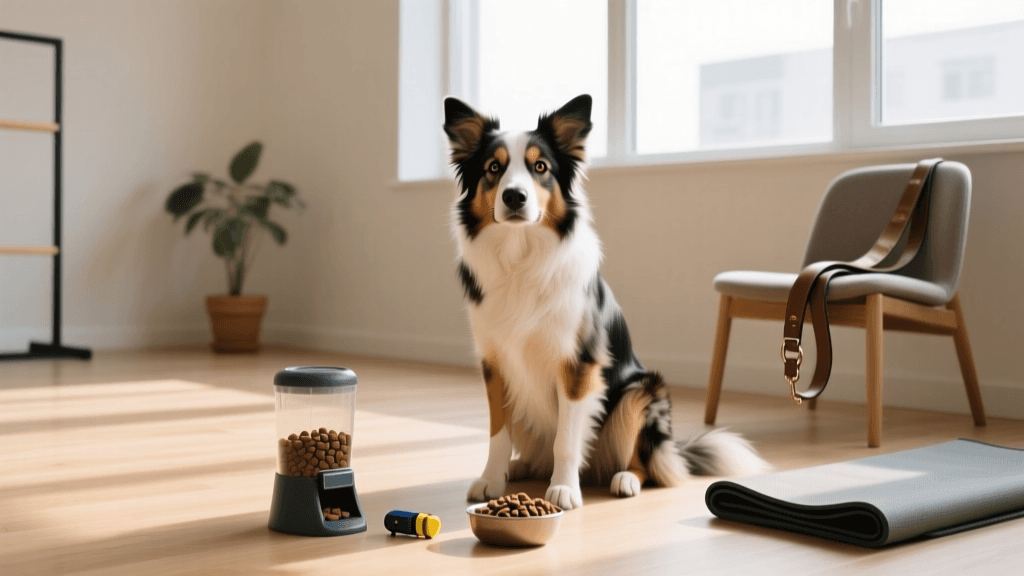
The 10% Treat Rule in Practice: If your 40-pound Border Collie requires 900 calories a day to maintain their weight while training, their treats must not exceed 90 calories. If a single commercial training biscuit contains 30 calories, you are limited to just three treats per session—hardly enough for a 30-minute shaping session.
Cost-Effective, Low-Calorie Treat Alternatives:
- Freeze-Dried Beef Liver: Highly aromatic and motivating. Costs approximately $18 for a 3oz bag. At roughly 3 kcal per small piece, you can deliver 30 rewards for only 90 calories.
- Boiled Chicken Breast: The gold standard for obedience. Costs about $4 per pound. A 5-gram cube contains roughly 8 kcal. Boiling it in low-sodium chicken broth enhances the scent profile, increasing its value in high-distraction environments.
- Zuke's Mini Naturals: A convenient commercial option. At roughly 3.5 kcal per treat and costing about $12 for a 16oz bag, they offer an excellent balance of convenience, cost, and caloric control.
Pro-Tip: To avoid caloric overload, deduct the caloric equivalent of your training treats from your dog's evening meal. If you use 100 calories of chicken breast during the day, simply remove 1/8th of a cup of their standard kibble at dinner.
Targeted Supplementation for Cognitive and Physical Endurance
Beyond basic macros, specific supplements can provide a distinct edge in behavioral conditioning and physical resilience. The physical toll of repetitive obedience commands (like the rapid 'sit-stand-sit' exercises in competitive obedience) or the impact of agility jumps requires proactive joint and neural support.
1. Omega-3 Fatty Acids (DHA and EPA)
DHA is a primary structural component of the canine brain. Studies highlighted by the Tufts University Cummings School of Veterinary Medicine indicate that diets rich in Omega-3s support neurodevelopment in puppies and cognitive maintenance in aging dogs. For a training dog, Omega-3s help reduce neuro-inflammation caused by stress and intense mental exertion.
Dosage & Cost: Aim for 50-100mg of combined EPA/DHA per kilogram of body weight. A high-quality liquid supplement like Nordic Naturals Omega-3 Pet costs around $25 for a 60ml bottle and allows for precise dosing via a pump.
2. Joint Support Complexes
Agility and field dogs subject their carpal, tarsal, and stifle joints to immense force. A daily supplement containing Glucosamine HCl, Chondroitin Sulfate, and MSM is non-negotiable for dogs in active training programs.
Dosage & Cost: Products like Dasuquin Advanced for Medium Dogs cost approximately $65 for 84 chewables. While the upfront cost is high, the prevention of early-onset osteoarthritis saves thousands in veterinary interventions later in life.
3. Probiotics for the Gut-Brain Axis
Anxiety and reactivity are major barriers to successful socialization and public access training. Emerging veterinary research links gut microbiome imbalances to elevated cortisol levels. Utilizing a targeted probiotic containing the strain Enterococcus faecium (such as Purina Pro Plan Veterinary Supplements Calming Care) can help modulate the stress response, allowing the dog to remain in a cognitive state where learning can actually occur.
Hydration Protocols for Field and Obedience Work
Even mild dehydration (as little as 2% of body weight in fluid loss) can significantly impair a dog's cognitive function, reaction time, and physical stamina. Dogs primarily cool themselves through panting, which rapidly depletes moisture reserves during high-stress training or outdoor field work.
Many dogs will not drink enough plain water when highly stimulated or distracted by their environment. To combat this, experienced handlers use 'baited water.' By adding a splash of low-sodium chicken broth, bone broth (ensure it contains no onions or garlic), or a specialized canine hydration powder (like K9 Water Buffalo or similar electrolyte blends) to their water bowl, you encourage voluntary fluid intake. Always offer baited water during rest breaks in the shade, allowing the dog to drink at its own pace to prevent bloat, a life-threatening condition common in deep-chested breeds that gulp water rapidly after exercise.
Conclusion
Training a dog to a high level of obedience or athletic performance is a partnership that extends far beyond the leash and the treat pouch. By viewing your dog's diet through the lens of cognitive fuel and physical recovery, you can unlock new levels of focus, drive, and behavioral reliability. Adjusting macronutrients for training intensity, mastering the timing of meals, utilizing low-calorie high-value rewards, and implementing targeted supplementation are not just health choices—they are fundamental training tools. When you fuel the canine brain and body correctly, the path from basic commands to advanced conditioning becomes smoother, faster, and infinitely more rewarding for both you and your dog.
hannah-wickes
All our authors care for dogs every day — read more of their work on the authors page.