The Viral Dog Button Trend: How to Train Your Pup
Discover how to teach your dog to use talking sound buttons. Learn step-by-step methods, top button kits, and safety tips for this viral training trend.
The Rise of the "Talking Dog" Trend
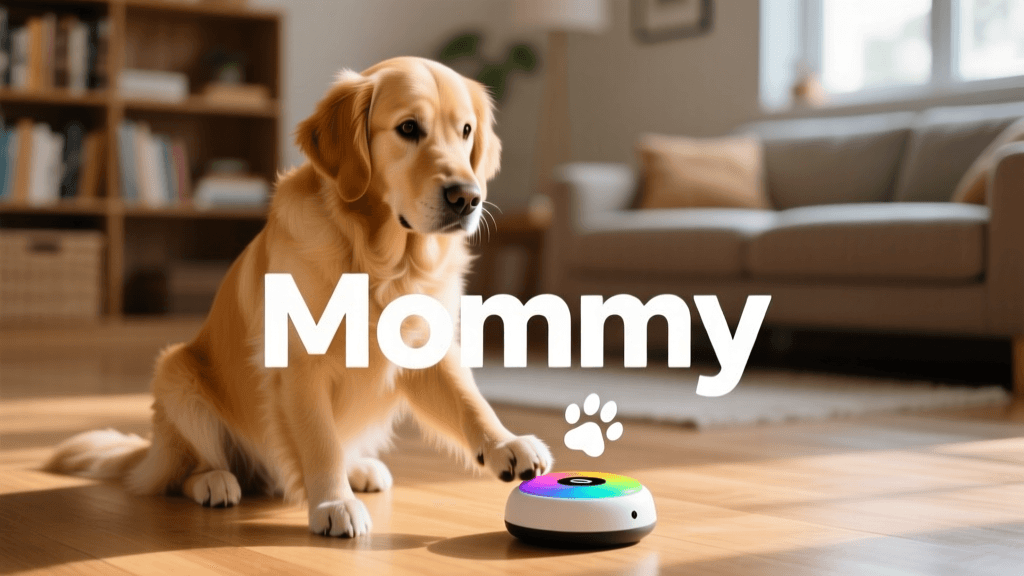
If you have spent any time on TikTok, Instagram Reels, or YouTube Shorts lately, you have likely seen dogs like Bunny the Sheepadoodle or Stella the Catahoula mix seemingly holding complex conversations with their owners. Using a mat covered in colorful sound buttons, these viral canine stars press buttons that say words like "outside," "play," "stranger," and even "love you." This viral sensation has taken the dog training world by storm, transforming how we view canine cognition and communication. But beyond the viral fame, millions of views, and adorable videos, button training is rooted in legitimate behavioral science and operant conditioning.
As a senior dog trainer, I am frequently asked by pet parents if this is just a clever trick or a genuine form of communication. The truth is, it is a bit of both. Dogs are masters of associative learning. While they may not understand the deep philosophical meaning of the word "tomorrow," they absolutely understand that pressing a specific plastic button results in a predictable, desirable outcome. In this comprehensive guide, we will break down exactly how this trending training method works, the best equipment to invest in, and a step-by-step protocol to teach your dog their first word safely and effectively.
What Are AAC Sound Buttons?
The buttons used in these viral videos are based on AAC (Augmentative and Alternative Communication) devices. Originally designed for humans with speech and language impairments, AAC boards use symbols and recorded audio to help individuals express their needs. The adaptation of AAC for dogs was pioneered by Christina Hunger, a speech-language pathologist who noticed that her puppy, Stella, was showing pre-linguistic cues similar to human toddlers. By pairing recorded words with consistent actions, Hunger proved that dogs could utilize AAC buttons to communicate their basic desires and physical states.
According to the UC San Diego's TheyCanTalk study, a massive ongoing citizen science project tracking thousands of pets using sound buttons, dogs are capable of learning to press buttons to request activities, report pain, and even combine words to express new concepts. However, the ASPCA's dog training guidelines remind us that positive reinforcement and patience are the true drivers of this success, not magic. The dog is learning a physical target behavior that yields a high-value reward.
Comparing the Top Dog Button Kits
Before you start training, you need the right equipment. While you can buy cheap generic recordable buttons online, serious trainers recommend specialized kits designed for canine paws and noses. Below is a comparison of the most popular systems on the market.
| Brand | Price Range | Tile Design | Best For | Durability |
|---|---|---|---|---|
| FluentPet | $30 - $150 | Hexagonal | Organizing large vocabularies with hex mats | High (ABS Plastic) |
| Hunger for Words | $40 - $120 | Round | Beginners and tactile learners | Medium-High |
| Generic Amazon Sets | $15 - $30 | Square | Budget-conscious testers | Low (Easily chewed) |
Trainer's Pick: I highly recommend starting with a Hunger for Words starter kit or a FluentPet Get Started kit. FluentPet's hexagonal tiles snap together, allowing you to build a stable, non-slip mat as your dog's vocabulary grows. Expect to spend around $40 for your first set of 6 buttons and a mat.
Step-by-Step Guide: Teaching the First Button
Do not start by giving your dog a mat with ten buttons. This will cause frustration and confusion. Start with one highly motivating word. For 90% of dogs, the best first button is "Outside" or "Walk".
Step 1: Target Training (Days 1-5)
Before introducing the button, your dog needs to know how to target an object with their nose or paw. Use a target stick or a small, distinct object like a plastic lid. Hold it near your dog's nose. The moment they sniff or touch it, click a clicker (or say "Yes!") and give a high-value treat like Zuke's Mini Naturals. Repeat this 15 times per session, twice a day. Once your dog is reliably bumping the target on command, you are ready for the button.
Step 2: Pairing the Word with the Action (Days 6-14)
Place the "Outside" button on the floor near the door you use for potty breaks. Do not let the dog press it yet. Instead, you press the button yourself, say "Outside," and immediately take the dog outside for a fun, rewarding walk or play session. You are building the association: Button Sound = Door Opens = Fun Outside. Do this 3 to 4 times a day. Keep sessions under 10 minutes to prevent cognitive fatigue.
Step 3: Fading the Lure and Capturing the Behavior (Days 15-30)
Now, wait. When your dog naturally wants to go out, they will likely pace by the door or whine. Stand by the button. Point to it or gently guide their nose toward it using your target training. The absolute millisecond their nose or paw makes the button speak, open the door and throw a party outside. Over the next few weeks, fade your pointing gesture until the dog independently approaches the mat and presses the button to initiate the action.
Advanced Conditioning and Expanding Vocabulary
Once your dog has mastered "Outside" and is using it independently at least 80% of the time, you can introduce a second button. Great second words include "Play" (paired with a game of tug or fetch) or "Water" (if your dog loves the hose or sprinklers). Always place new buttons at least a few inches away from mastered buttons to prevent accidental presses. As your dog's vocabulary expands to 5, 10, or even 20 words, you will need to map out your mat logically. Group "Activity" words (Walk, Play, Car) together, and "Needs" words (Water, Outside, Food) together.
Troubleshooting Common Viral Training Fails
Button training is not without its hurdles. Here is how to handle the most common issues I see in my training practice:
- Button Spamming: If your dog presses the "Play" button 40 times in a row, they have learned that pressing the button gets your attention, even if you just say "no." To fix this, only reward the first press. If they spam, calmly cover the button with your foot or a towel for 5 minutes. They will learn that one press works, but spamming makes the button disappear.
- Chewing the Buttons: If your dog treats the FluentPet tiles like chew toys, they are either under-stimulated or the buttons are too easily popped out of the mat. Ensure you are using the locking rings provided by the manufacturer, and redirect chewing behavior to a Kong Classic stuffed with frozen peanut butter.
- Ignoring the Buttons: If your dog ignores the mat, your rewards outside the button press might be too high. If they know they can just scratch the door and you will let them out, the button is useless. You must enforce the rule: The door only opens if the button is pressed.
The Science Behind the Trend
While social media often reduces this training to a cute parlor trick, the cognitive implications are profound. The UC San Diego's TheyCanTalk study has gathered data showing that dogs are not merely performing a rote trick for a treat; they are utilizing the buttons to report internal states, such as pressing "ouch" when injured or "mad" when frustrated. Furthermore, adhering to the ASPCA's dog training guidelines regarding positive reinforcement ensures that this mental stimulation reduces behavioral issues like destructive chewing and excessive barking. By giving your dog a voice, you are giving them agency over their environment, which drastically lowers canine anxiety.
Whether you are looking to go viral on Instagram or simply want to deepen the bond and communication with your best friend, sound button training is a highly rewarding journey. Grab a starter kit, stock up on high-value treats, and prepare to be amazed by what your dog has to say.
robin-maitland
All our authors care for dogs every day — read more of their work on the authors page.