7 Common Dog Road Trip Mistakes to Avoid for Safe Travel
Planning a road trip with your dog? Avoid these 7 common travel mistakes to ensure a safe, stress-free, and enjoyable journey for you and your pup.
The Ultimate Guide to Safe Canine Road Trips
Embarking on a cross-country road trip or a weekend getaway with your furry best friend is one of life's greatest joys. However, traveling with a dog requires significantly more preparation than packing a suitcase and hitting the highway. Many well-meaning pet parents inadvertently put their dogs at risk by overlooking critical safety and comfort protocols. Whether you are driving across state lines or just heading to a nearby cabin, avoiding common pitfalls is essential for a smooth journey. In this guide, we break down the top seven mistakes dog owners make on road trips and provide actionable, expert-backed solutions to keep your pup safe, happy, and healthy on the open road.
1. Skipping the 'Trial Run' Phase
One of the most frequent mistakes owners make is loading their dog into the car for a ten-hour drive without any prior conditioning. If your dog is only used to short, five-minute trips to the veterinarian, a prolonged journey will trigger severe anxiety, motion sickness, and restless behavior.
The Actionable Fix:
Implement a desensitization protocol starting at least four weeks before your trip. Begin with 10-minute drives to a fun destination, like a local park, to build positive associations. Gradually increase the duration by 15-minute increments every few days. By the time your departure date arrives, your dog should be completely comfortable sitting in their restraint system for at least two continuous hours.
2. Using Unrestrained or Unsafe Car Restraints
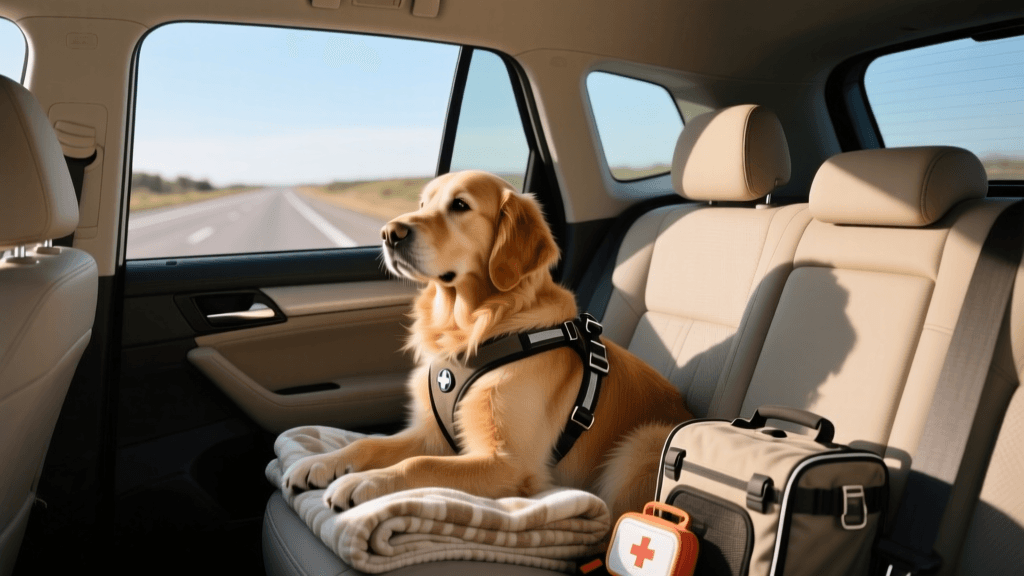
Allowing your dog to roam freely in the vehicle or stick their head out the window is incredibly dangerous. In the event of a sudden stop or collision, an unrestrained 50-pound dog becomes a 2,500-pound projectile. Furthermore, many commercially available 'pet seatbelts' and zip-line tethers fail under crash conditions.
According to rigorous crash-testing conducted by the Center for Pet Safety, a vast majority of retail pet travel harnesses and carriers fail to protect the dog and human passengers during a collision. Investing in certified safety gear is non-negotiable.
Comparison of Canine Car Restraint Systems
| Restraint Type | Examples / Brands | Estimated Cost | Safety & Pros | Cons |
|---|---|---|---|---|
| CPS-Certified Harness | Sleepypod Clickit Sport, Kurgo Enhanced Strength | $80 - $120 | Excellent crash protection; keeps dog in seat. | Can restrict movement; not all dogs tolerate tight strapping. |
| CPS-Certified Crate | Gunner G1 Kennel, Ruff Land Performance | $400 - $700 | Maximum safety; contains debris; ideal for anxious dogs. | Heavy; expensive; takes up significant cargo space. |
| Zip-Line Tether | Kurgo Zipline, Generic Brands | $20 - $40 | Gives dog room to move and lie down. | High risk of injury in a crash; dog can become tangled. |
| Unsecured / Free Roam | N/A | $0 | None. | Extreme danger to dog and driver; illegal in some states. |
3. Failing to Update Microchip and Collar Tags
Traveling increases the statistical likelihood of your dog slipping out of an open car door or bolting from an unfamiliar campsite. If your dog gets lost in a different state, an outdated microchip registry or a faded collar tag will severely delay a reunion.
The Actionable Fix:
Two weeks before your trip, log into your microchip provider's portal (such as HomeAgain or PetLink) and verify your current cell phone number and a secondary emergency contact. Purchase a durable, engraved stainless steel tag featuring your mobile number. For added peace of mind, consider outfitting your dog with a GPS-enabled smart collar, such as the Fi Series 3 or Whistle Go Explore, which allows you to track their real-time location via satellite and cellular networks.
4. Overfeeding Right Before Departure
Packing a full bowl of kibble right before hitting the road is a recipe for disaster. A full stomach combined with the motion of the vehicle frequently leads to canine motion sickness, resulting in excessive drooling, vomiting, and severe distress.
The American Kennel Club notes that while puppies often outgrow motion sickness, adult dogs can still suffer from travel-induced nausea, especially if their feeding schedule is disrupted.
The Actionable Fix:
Withhold your dog's main meal for three to four hours prior to departure. If you are leaving early in the morning, offer a small, easily digestible snack—such as a quarter of their normal portion size or a few plain boiled chicken bites—just to settle their stomach acid. Plan to feed their first full meal only after you have reached your destination or during a prolonged midday rest stop where they can digest comfortably.
5. Inadequate Rest Stops and Hydration Planning
Humans might be able to power through a six-hour drive with a single coffee stop, but dogs cannot. Holding their bladder for extended periods causes urinary tract discomfort, while inadequate hydration in a climate-controlled but dry car cabin leads to rapid dehydration.
The Actionable Fix:
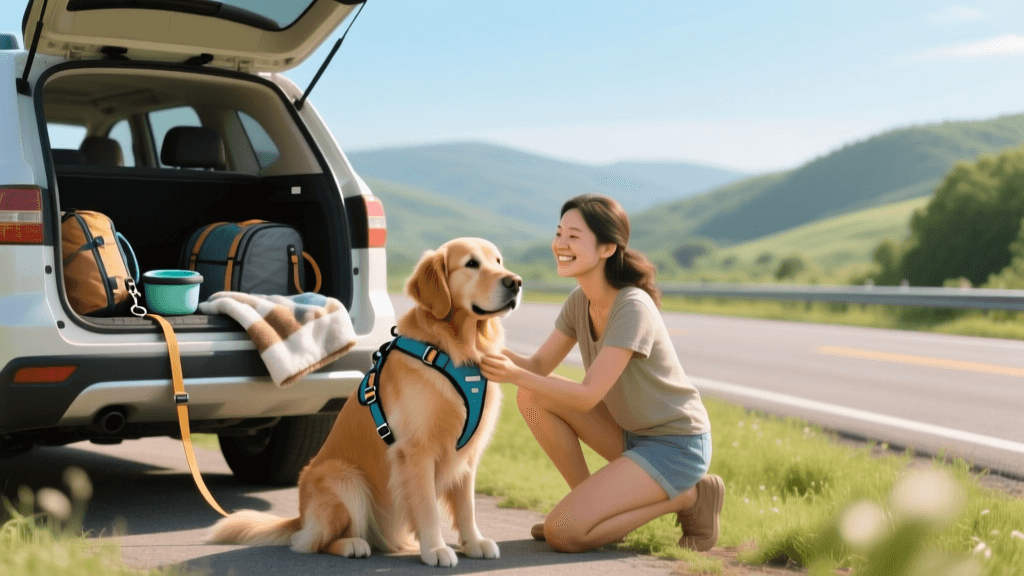
Map out your route to include a safe, grassy rest stop every two to three hours. During these breaks, offer your dog fresh water. A good rule of thumb is that dogs need roughly one ounce of water per pound of body weight daily, but this requirement increases during travel stress. Bring a collapsible silicone travel bowl and a dedicated jug of water from home; the familiar taste can encourage a picky or anxious dog to drink. Always use a secure, 6-foot flat leash (like the Ruffwear Front Range) during rest stops to prevent bolting in busy parking areas.
6. The 'Just for a Minute' Parked Car Mistake
Perhaps the most fatal mistake a dog owner can make is leaving their pet inside a parked vehicle while they run into a rest area, gas station, or restaurant. Even on mildly warm days, the greenhouse effect inside a car is lethal.
According to the Humane Society of the United States, on a 70°F day, the temperature inside a parked car can soar to 100°F in just 20 minutes. Cracking the windows provides virtually no cooling effect.
The Actionable Fix:
Adopt a strict 'dog stays with a human' policy. If you are traveling solo, utilize drive-thru services for meals, pack a cooler with human snacks to eat in the car with the AC running, or book pet-friendly accommodations where you can safely leave your dog in the climate-controlled room. If you must leave the vehicle, invest in a remote car-start system or a specialized climate-control monitor like the Waggle sensor, which alerts your phone if the cabin temperature exceeds safe limits.
7. Packing a Human First-Aid Kit Instead of a Canine One
A standard human first-aid kit is insufficient for treating canine-specific emergencies on the road. Dogs explore the world with their mouths and paws, making them highly susceptible to cuts, insect stings, and toxic ingestions while hiking or exploring new environments.
The Actionable Fix:
Assemble a dedicated canine travel first-aid kit at least a week before your trip. Your kit must include:
- Styptic Powder: To instantly stop bleeding from torn nails.
- Vet Wrap (Self-Adhering Bandage): For wrapping paw injuries without sticking to fur.
- Tick Removal Tool: Such as the Tick Twister, essential for wooded campsites.
- Diphenhydramine (Benadryl): For allergic reactions or bee stings. The standard veterinary dosage is 1 mg per pound of body weight, but always confirm with your vet prior to the trip.
- Saline Eye Wash: To flush out dust, debris, or foxtails from the eyes.
- Emergency Contact Sheet: Printed list of 24/7 emergency veterinary clinics located along your route and near your final destination.
Conclusion: Preparation is the Key to Unforgettable Memories
Sharing the open road with your dog is a deeply rewarding experience that strengthens the bond between you and your pet. However, the difference between a stressful ordeal and a magical adventure lies entirely in your preparation. By avoiding these seven common mistakes—investing in crash-tested restraints, managing feeding schedules, prioritizing hydration, and packing the right safety gear—you ensure that your dog remains safe and comfortable at every mile marker. Take the time to plan, pack smartly, and hit the road with the confidence that you and your best friend are ready for whatever the journey brings.
aaron-whyte
All our authors care for dogs every day — read more of their work on the authors page.