The Ultimate Daily Training and Wellness Schedule for Puppies
Learn to integrate obedience training into your puppy's daily wellness routine with this step-by-step schedule, potty guide, and enrichment plan.

When bringing a new puppy or a high-energy adult dog into your home, establishing a structured daily routine is the single most effective step you can take toward long-term behavioral success. Many owners mistakenly view obedience training as an isolated event—a thirty-minute session in the living room where the dog is asked to sit, stay, and come. However, at Paws-Tales, we advocate for a holistic approach: integrating behavioral conditioning seamlessly into your dog's daily wellness and biological schedule.
The Intersection of Canine Wellness and Behavioral Conditioning
Dogs are creatures of habit and routine. From a psychological standpoint, predictability reduces cortisol levels and mitigates anxiety. When a dog knows what to expect from their day, they are less likely to exhibit destructive behaviors born out of stress or boredom. According to the ASPCA's resources on dog behavior, many common behavioral issues, such as excessive barking, chewing, and separation anxiety, stem from a lack of mental stimulation and inconsistent daily structures.
By weaving short, focused training sessions into natural transitions throughout the day—such as meal times, potty breaks, and wake-up periods—you capitalize on your dog's natural motivations. This method, often referred to as 'Nothing in Life is Free' or 'Learn to Earn,' teaches impulse control without requiring extra time out of your busy schedule.
Consistency in daily routines is the bedrock of canine behavioral health. A predictable schedule reduces anxiety, manages energy levels, and dramatically accelerates obedience learning.
The Core Components of a Holistic Daily Routine
1. Enforced Nap Schedules and Crate Conditioning
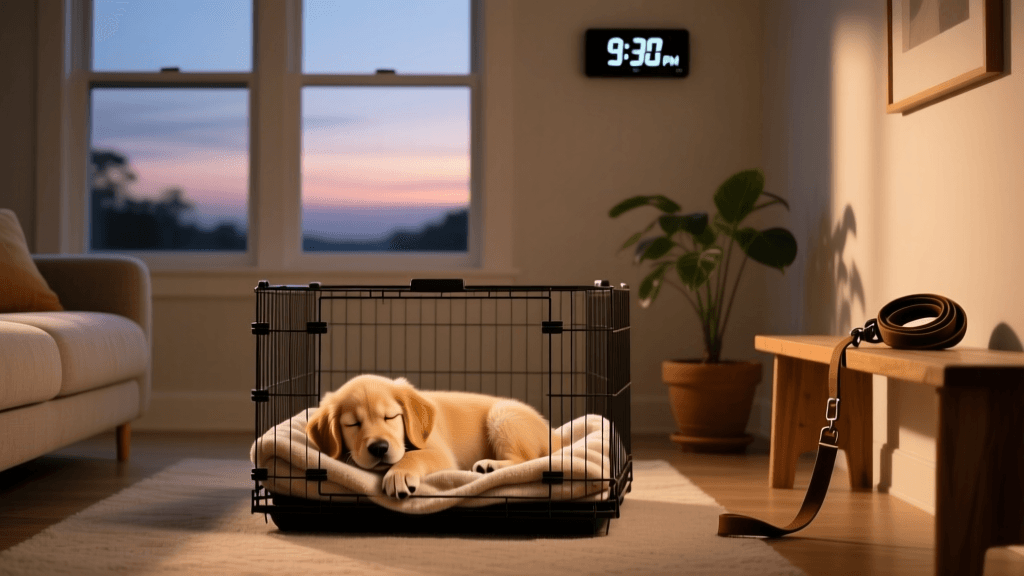
One of the most overlooked aspects of puppy wellness is sleep. Puppies require between 18 to 20 hours of sleep per day, while adult dogs need 12 to 14 hours. An overtired puppy is an overtired toddler: they become hyperactive, bitey, and completely incapable of retaining new commands. Enforced naps in a properly conditioned crate are vital. The crate should be a wellness sanctuary, equipped with a breathable bed and a safe chew toy, never used as a punishment zone.
2. Ditching the Food Bowl for Mental Enrichment
Feeding your dog from a bowl is a missed opportunity for behavioral conditioning. A dog's daily caloric intake should be distributed across training sessions and puzzle toys. This engages their natural foraging instincts and tires them out mentally. Mental fatigue is often more effective at calming a high-energy working breed than a two-mile walk.
3. Caloric Management and Treat Hierarchy
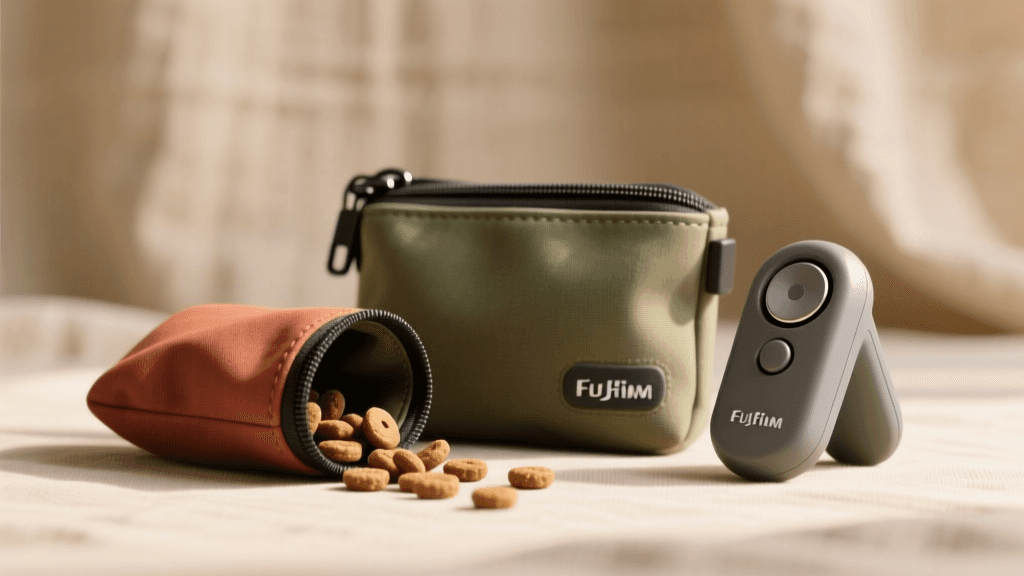
To prevent obesity while maintaining a high rate of reinforcement, measure out your dog's daily kibble allowance each morning. Place a portion in a treat pouch for basic obedience (sit, down, touch) in low-distraction environments. Reserve high-value, single-ingredient treats like freeze-dried beef liver or boiled chicken breast for high-distraction environments, recall training, and counter-conditioning exercises.
Sample Daily Schedule: 8-Week-Old to 12-Week-Old Puppy
Below is a structured daily schedule designed to balance potty training, obedience conditioning, socialization, and essential rest. Adjust the exact timings based on your household schedule, but maintain the sequence of events.
| Time Block | Activity | Wellness Focus | Training Integration | Recommended Product / Cost |
|---|---|---|---|---|
| 6:30 AM | Wake Up & Potty | Bladder relief, hydration | Recall and 'go potty' cue on a long line | 15ft Biothane Long Line ($25) |
| 7:00 AM | Breakfast & Enrichment | Nutrition, mental stimulation | Kibble scattered on a snuffle mat or stuffed in a puzzle toy | Outward Hound Snuffle Mat ($20) |
| 7:30 AM | Active Play & Bonding | Physical exercise, joint health | Tug-of-war with 'drop it' and 'leave it' cues | Kong Wubba ($12) |
| 8:00 AM | Enforced Morning Nap | Neurological rest, growth | Crate entry cue ('kennel up') and settling on a mat | MidWest iCrate & Fleece Bed ($45) |
| 10:00 AM | Potty & Socialization | Environmental exposure | Walking on novel surfaces, observing traffic from a distance | High-value treats (Freeze-dried liver, $15) |
| 10:30 AM | Obedience Session | Focus, impulse control | 5-minute session on 'sit', 'down', and eye contact | Treat pouch with quick-release magnet ($18) |
| 11:00 AM | Enforced Mid-Day Nap | Sensory decompression | Chewing a frozen, stuffed toy to soothe teething gums | Kong Classic Puppy ($15) |
| 1:00 PM | Potty & Exploration | Sensory processing | Decompression walk in a quiet, grassy area (sniffari) | Y-harness for comfort ($30) |
| 1:30 PM | Afternoon Nap | Physical recovery | Crate resting with white noise to block household sounds | White noise machine ($25) |
| 3:30 PM | Potty & Trick Training | Cognitive engagement | Shaping new tricks (spin, target, paw) using a clicker | Karen Pryor i-Click ($5) |
| 4:00 PM | Dinner & Foraging | Nutrition, wind-down | Hand-feeding portion of kibble for 'wait' at the bowl | Stainless steel slow-feeder ($15) |
| 5:00 PM | Evening Play & Potty | Energy burn, bladder relief | Fetch with impulse control (sit before throwing) | Chuckit! Launcher ($20) |
| 7:00 PM | Settle & Grooming | Handling, bonding | Desensitization to paw handling, ear cleaning, and brushing | Slicker brush & dog-safe wipes ($20) |
| 8:30 PM | Final Potty & Bedtime | Overnight bladder prep | Calm transition to the sleeping crate, no high-energy play | Calming pheromone spray ($25) |
Early Socialization and Environmental Wellness
Socialization is not merely about letting your dog play with other dogs; it is about building neurological resilience to the world around them. The Centers for Disease Control and Prevention (CDC) emphasizes that proper early socialization and obedience training are critical components of dog bite prevention and public safety. A well-socialized dog is a confident dog, and confidence is the prerequisite for reliable off-leash recall and loose-leash walking.
During the critical socialization window (between 3 and 14 weeks of age), integrate 'socialization bingo' into your daily walks. Expose your puppy to the sound of garbage trucks, the texture of metal grates, the sight of people wearing hats, and the presence of distant, calm adult dogs. Always pair these novel stimuli with high-value treats to build positive associative conditioning.
Tracking Progress and Adjusting as Your Dog Ages
As your puppy matures into adolescence and adulthood, their wellness and training needs will shift. The American Veterinary Medical Association (AVMA) notes that ongoing training and mental enrichment are essential for maintaining cognitive health and preventing behavioral regression in adult and senior dogs.
- Adolescence (6 to 18 months): Expect hormonal surges and a temporary 'forgetting' of basic cues. Increase the value of your treats, lengthen your decompression walks, and practice recall on a long line in increasingly distracting environments.
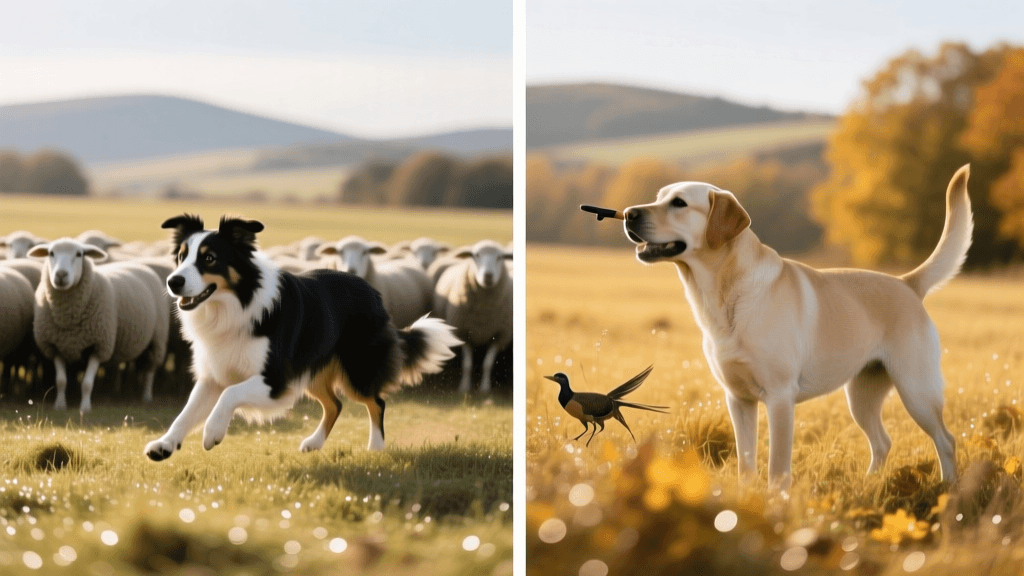
- Adulthood (1.5 to 7 years): Transition from basic obedience to advanced canine sports or specialized tasks. Consider agility, scent work, or therapy dog certification to fulfill their breed-specific drives.
- Senior Years (7+ years): Adjust the physical demands of the schedule. Swap high-impact fetch for low-impact sniffaris and puzzle toys to keep their mind sharp while protecting aging joints.
Conclusion
Integrating training into your dog's daily wellness routine transforms obedience from a chore into a lifestyle. By respecting their biological need for sleep, utilizing their meals for mental enrichment, and providing structured, predictable guidance, you build a profound bond based on trust and clear communication. Stick to the schedule, track your milestones, and remember that every interaction is an opportunity to shape the well-behaved companion you envision.
tom-renshaw
All our authors care for dogs every day — read more of their work on the authors page.