Dog-Proofing Your Home: A Room-by-Room Safety Guide
Learn how to dog-proof your home with our room-by-room safety guide. Discover hidden hazards, essential pet-safe products, and expert prevention tips.

Introduction to Canine Home Safety
Bringing a new dog into your home is an exhilarating milestone filled with companionship, joy, and unforgettable memories. However, modern homes are designed with human convenience in mind, not canine safety. From toxic houseplants and easily accessible medications to electrical cords and slippery floors, the average household contains dozens of hidden hazards that can pose severe risks to your furry friend. Dogs, especially puppies, explore their environment primarily through scent and taste, meaning that a dropped pill or an unsecured trash can quickly turn into a veterinary emergency.
Effective dog-proofing is not just about hiding dangerous items; it is about fundamentally adapting your home environment to support your dog's physical and behavioral needs. Whether you are preparing for a teething puppy or modifying your space for an aging senior dog, proactive management is the cornerstone of responsible pet ownership. In this comprehensive guide, we will walk through your home room by room, identifying critical hazards and providing actionable, cost-effective solutions to create a secure sanctuary for your dog.
The Living Room: Managing Cords, Choke Hazards, and Toxic Flora
The living room is the central hub of most homes, but it is also a minefield of electrical hazards and choking risks. Puppies, in particular, go through a teething phase that drives them to chew on anything with a satisfying texture, including rubbery electrical cords. To prevent fatal electrocution or severe burns, invest in J-Channel cable raceways or split loom tubing (typically costing $15 to $25 for a 10-foot kit). These hard plastic concealers adhere to your baseboards and completely enclose wires, making them inaccessible and unappealing to chew.
Window blind cords present another severe, often overlooked threat. Loop cords can easily entangle a dog's neck, leading to strangulation. Replace loop cords with cordless blinds where possible, or install plastic cord cleats (around $5 for a multi-pack) to wrap and secure cords high up on the wall, well out of your dog's reach.
The Danger of Household Houseplants
Many popular indoor plants are highly toxic to dogs if ingested. The ASPCA Animal Poison Control Center maintains a comprehensive list of toxic and non-toxic plants, noting that species like the Sago Palm, Peace Lily, Pothos, and ZZ Plant can cause severe gastrointestinal distress, neurological damage, or even fatal liver failure. If you own these plants, relocate them to high, unreachable shelves or enclosed terrariums. Better yet, swap them out for dog-safe alternatives like Spider Plants, Boston Ferns, or Calatheas.
Pro Tip: Perform the 'Toddler Crawl' test. Get down on your hands and knees in your living room to view the space from your dog's eye level. You will immediately spot dropped coins, children's toys, and small decorative items that pose serious choking or intestinal blockage hazards.
The Kitchen: Food Toxins and Secure Storage
The kitchen is arguably the most dangerous room in the house for a foraging dog. Human foods such as chocolate, grapes, raisins, onions, and garlic are well-known toxins, but xylitol—an artificial sweetener found in sugar-free gum, peanut butter, and baked goods—is uniquely lethal. Even a small amount of xylitol can trigger a rapid, life-threatening drop in blood sugar and acute liver failure in dogs.
Securing the Trash and Lower Cabinets
Dogs have an incredible sense of smell and will gladly overturn an unsecured trash can to reach discarded food scraps, bones, or packaging. To combat this, upgrade to a heavy-duty, pet-proof trash can like the Simplehuman 13-Gallon Step Can with a locking lid (approximately $120-$150). Its weighted base and secure latch make it nearly impossible for even large breeds to tip over or pry open.
For lower cabinets where you store dog treats, snacks, or even non-toxic bulk items, install magnetic cabinet locks (such as the Safety 1st Magnetic Locking System, costing about $25 for a multi-pack). These locks mount inside the cabinet door and require a magnetic key to open, completely eliminating the risk of your dog pulling doors open with their paws or snouts.
The Bathroom and Laundry Room: Chemicals and Medications
Bathrooms and laundry rooms house a concentrated array of chemical hazards and human medications. According to data from the Pet Poison Helpline, human medications—including over-the-counter painkillers like ibuprofen and acetaminophen, as well as antidepressants and ADHD medications—are consistently among the top causes of pet poisoning. Never leave pill bottles on the bathroom counter or nightstand; a dog can easily chew through a plastic bottle, ingesting a fatal dose in seconds.
Chemical Storage and Toilet Safety
Cleaning supplies containing bleach, ammonia, or phenols (commonly found in heavy-duty floor cleaners and disinfectants) must be stored on high shelves or behind magnetic locks. Furthermore, always keep your toilet lid closed. Dogs are often tempted to drink from the toilet bowl, which can expose them to harsh chemical bowl cleaners or, in the case of small puppies, present a genuine drowning risk. For households with highly inquisitive dogs, a simple adhesive toilet lid lock ($6-$10) provides an essential layer of protection.
Adapting Your Space: Puppy-Proofing vs. Senior-Proofing
Dog-proofing is not a one-size-fits-all endeavor. The modifications required for a hyperactive, teething puppy differ vastly from those needed for an aging dog with mobility issues and cognitive decline. Below is a comparison chart to help you tailor your home environment to your dog's current life stage.
| Home Area | Puppy-Proofing Focus (0-12 Months) | Senior Dog-Proofing Focus (8+ Years) |
|---|---|---|
| Stairs & Elevation | Hardware-mounted gates to prevent falls, joint damage, and access to unsafe zones. | Pet ramps and non-slip stair treads to support arthritic joints and prevent slipping. |
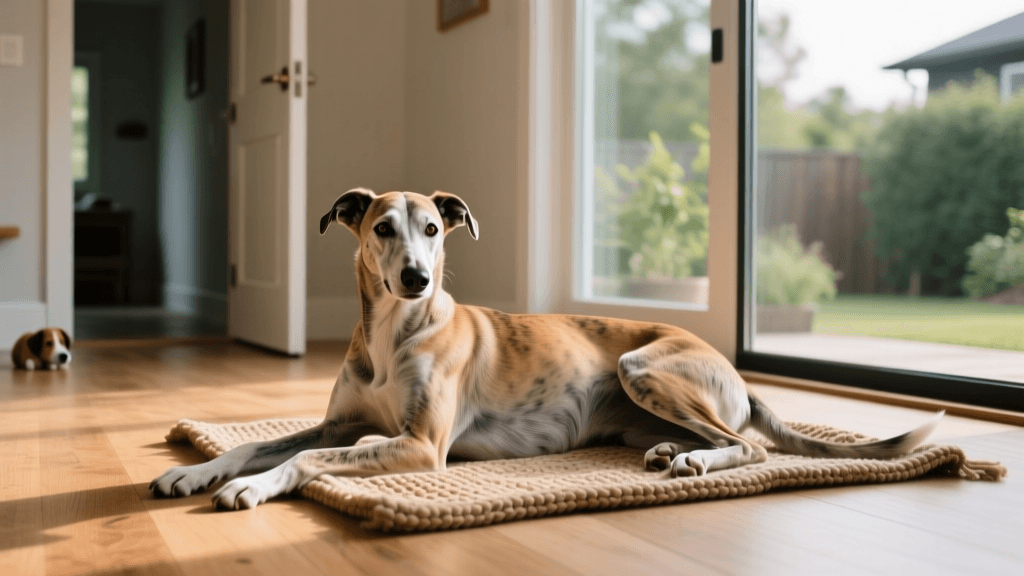
| Flooring | Washable rugs to manage potty training accidents; removal of chewable floor mats. | Interlocking foam mats or yoga-style runners over hardwood to provide joint-friendly traction. |
| Kitchen & Counters | Magnetic locks and heavy trash cans to prevent counter-surfing and scavenging. | Elevated food and water bowls to reduce neck strain and aid digestion. |
| Bathroom & Meds | Toilet locks and high shelves to prevent ingestion of chemicals and dropped pills. | Warm, orthopedic bedding placed away from cold tile floors to soothe aging bones. |
Creating a Safe Haven: Crate Training and Playpens
Even the most thoroughly dog-proofed home requires a designated 'safe zone' where your dog can relax without constant supervision. Crate training is a vital component of home management. Opt for a sturdy, well-ventilated crate like the Midwest iCrate (starting around $50) or the premium, escape-proof Diggs Revol Crate (approximately $150). The crate should be large enough for your dog to stand, turn around, and lie down comfortably, but not so large that they can use one end as a bathroom.
For times when you are home but cannot actively watch your dog, a metal wire playpen set up in a common area allows them to be part of the family action while keeping them contained. Line this playpen with a washable, waterproof rug—such as those offered by Ruggable—to protect your underlying floors from accidents and provide a comfortable, easily sanitized resting surface.
Outdoor and Balcony Safety
If your home includes a yard or a balcony, the exterior environment requires just as much scrutiny as the interior. For balconies, the gaps between railings can be wide enough for small dogs to slip through or stick their heads into, risking entrapment or a fatal fall. Install heavy-duty outdoor pet netting or custom-cut plexiglass panels secured with zip ties along the lower half of the balcony railing to create an impenetrable barrier.
For fenced yards, dogs who love to dig can easily excavate their way to freedom. To prevent this, install an L-footer barrier. This involves attaching galvanized chicken wire or hardware cloth to the bottom of your existing fence and bending it outward at a 90-degree angle, burying it about 1 to 2 inches under the soil or covering it with mulch. When the dog digs near the fence, they hit the wire mesh instead of making progress, safely deterring the behavior without harming their paws.
Conclusion
Dog-proofing your home is an ongoing process that evolves as your dog grows from a curious puppy into an adult, and eventually into a senior. By systematically addressing hazards in the living room, kitchen, bathroom, and outdoor spaces, you drastically reduce the risk of accidental injury or poisoning. Remember that management is the first step in training; by controlling your dog's environment, you not only keep them safe but also set them up for behavioral success. Invest the time and resources into securing your home today, and enjoy the peace of mind that comes with a truly safe, dog-friendly sanctuary.
jonas-cole
All our authors care for dogs every day — read more of their work on the authors page.